
Propagating Voacanga grandifolia: A Gardener’s Challenge and Triumph
Introduction
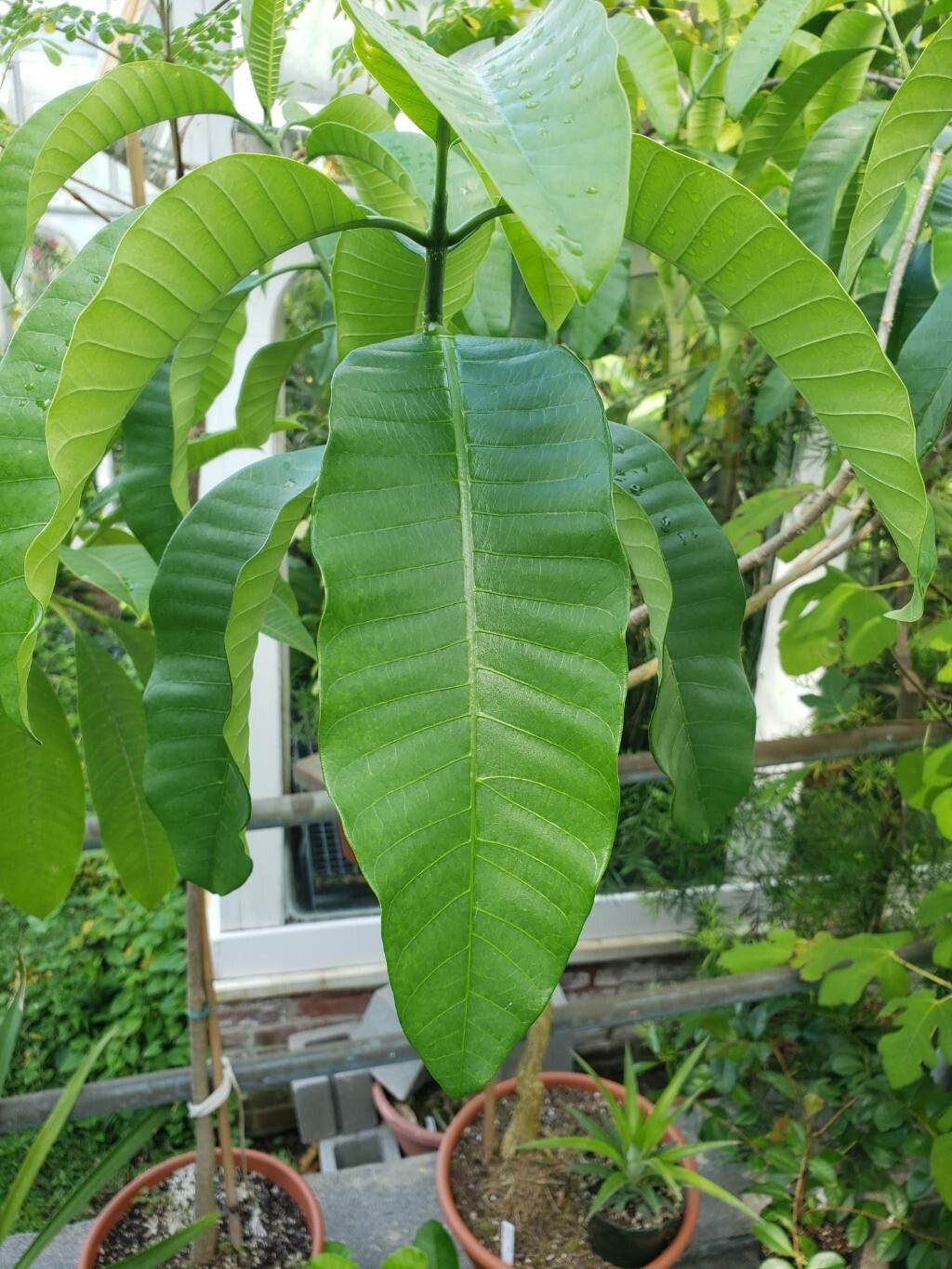
Voacanga grandifolia, also known as the large-leaved voacanga or African emetic nut, is a captivating tropical evergreen tree renowned for its striking large, glossy leaves and fragrant, creamy-white flowers. Its attractive foliage makes it a desirable ornamental plant for warm climates, adding a touch of exotic beauty to gardens. However, its propagation can be challenging, making successful cultivation a rewarding experience for passionate gardeners. Its unique medicinal properties, though requiring careful handling due to toxicity, add another layer of interest, contributing to both its popularity among enthusiasts and the challenges surrounding its wider proliferation outside its native habitat.
Seed Germination
Seed germination of Voacanga grandifolia is possible but presents significant challenges. Fresh seeds are crucial, as viability decreases rapidly after harvest. The hard seed coat often needs to be scarified (mechanically weakened or chemically treated with sulfuric acid) to facilitate water absorption and germination. Pre-soaking the seeds in warm water for 24-48 hours may also improve germination rates. Sowing should be done in a well-drained, moist seed-starting mix under warm, humid conditions (temperatures around 25-30°C). High humidity is essential to prevent desiccation of the delicate seedlings. Germination can take several weeks to months, and the success rate is often low. The reward, however, is the potential for highly diverse offspring and the ability to propagate a large quantity of plants if germination is successful.
Cuttings
Propagation from cuttings is a more reliable method than seed germination for Voacanga grandifolia. Semi-hardwood cuttings, taken from actively growing shoots in spring or early summer, have shown the most promise. These cuttings should be treated with a rooting hormone before planting in a well-draining, sterile substrate (such as a mix of perlite and vermiculite) under high humidity conditions. A humidity propagator or covering with a plastic bag will significantly enhance rooting success. Bottom heat can also accelerate root development. Rooting usually takes several weeks to months, with consistent monitoring for fungal infections crucial for success. The benefit of cuttings is the preservation of desirable traits from the mother plant.
Division
Division is generally not a viable propagation method for Voacanga grandifolia due to its tree-like form and deep root system. Dividing the root ball would likely severely damage the plant, resulting in death or extremely stunted growth.
Tissue Culture
Tissue culture propagation offers the potential for large-scale, rapid multiplication of Voacanga grandifolia while maintaining genetic uniformity. This sophisticated technique requires specialized knowledge, equipment, and sterile conditions. Success depends upon utilizing appropriate nutrient media, growth regulators, and maintaining a contamination-free environment. While it offers the highest multiplication rate, it is also the most complex and expensive method, not readily accessible to the average gardener.
Conclusion
Propagating Voacanga grandifolia presents distinct challenges across all methods. Seed germination, while possible, boasts a low success rate and requires patience and specific techniques. Cuttings offer a more reliable approach but still necessitates diligent care and a high-humidity environment. Division is unsuitable. Tissue culture offers the most efficient large-scale option but requires significant expertise and resources. The rewards, however, are substantial. Successfully cultivating this beautiful and fascinating plant from seed, cutting, or even through the intricacies of tissue culture brings an unmatched sense of accomplishment. The unique challenges involved only amplify the satisfaction of nurturing these plants from propagation to mature specimens, rewarding gardeners with a truly special addition to their collection. For aspiring propagators, remember patience and persistence are key. Start with the more reliable cutting method and don’t be discouraged by initial setbacks, the journey itself is part of the rewarding experience.