
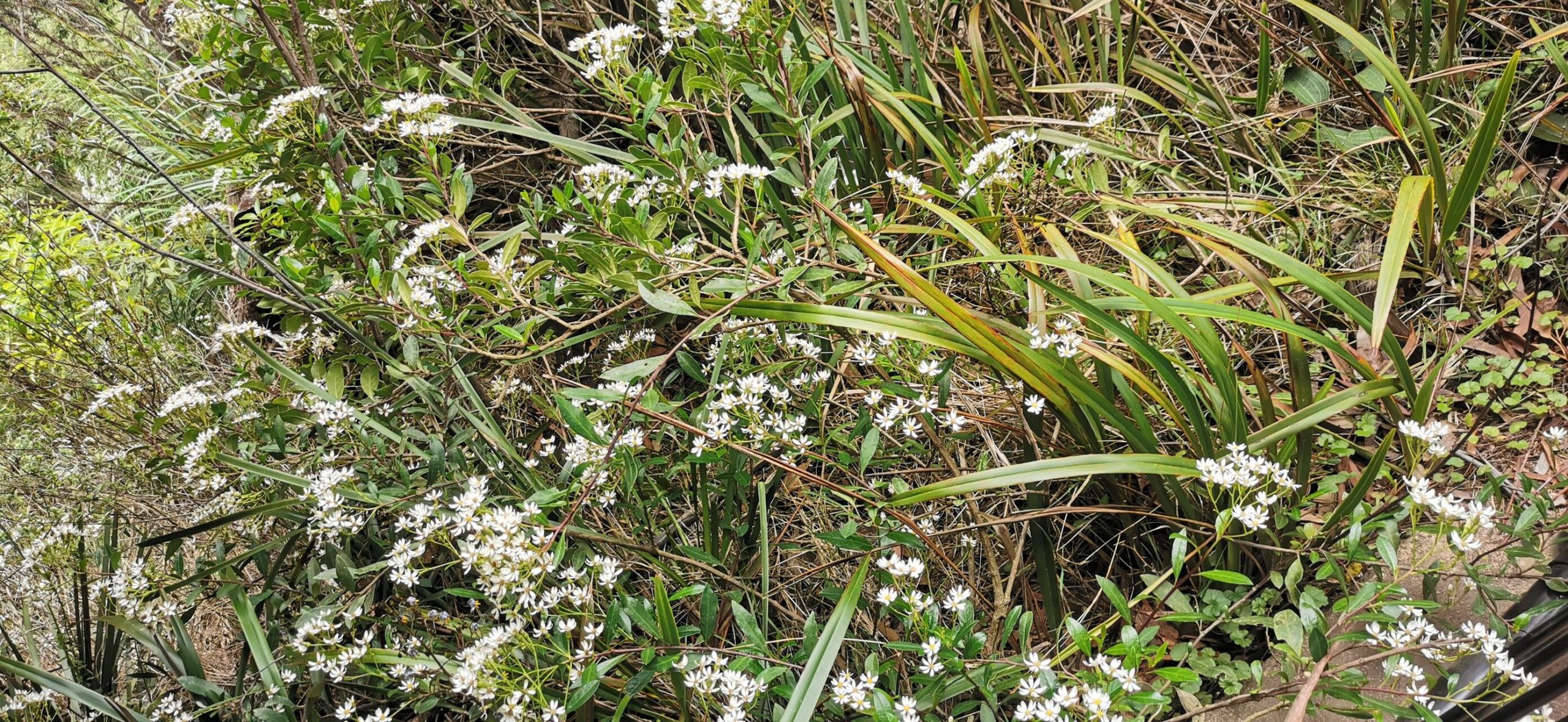
Propagating the Mountain Daisy: A Guide to Cultivating Olearia megalophylla
Introduction:
Olearia megalophylla, commonly known as the mountain daisy or large-leaved tree daisy, is a striking New Zealand native shrub prized for its profusion of white daisy-like flowers and its attractive, large, leathery leaves. Its hardiness and adaptability make it a popular choice among gardeners, particularly in regions with cool, temperate climates. However, propagating this desirable plant can present some challenges, demanding patience and attention to detail. Its propagation is less commonly accomplished through seed, making other methods more popular.
Seed Germination:
Currently, there are no known reliable methods for seed germination propagation of Olearia megalophylla. While seeds may be produced, their germination rate is extremely low, and successful germination under controlled conditions has not been consistently achieved. Further research into specific seed treatments and germination requirements is needed.
Cuttings:
Cuttings represent the most reliable and commonly used method for propagating Olearia megalophylla.
Challenges: Successful rooting can be slow and depend on several factors, including the timing of the cutting, the use of rooting hormone, and maintaining optimal humidity and temperature. The semi-woody nature of the stems can make them slightly more difficult to root than herbaceous cuttings.
Practical Tips: Take semi-hardwood cuttings in late spring or early summer from the current year’s growth. Use a sharp knife or shears to make clean cuts, approximately 10-15cm long, just below a node. Remove lower leaves to prevent rotting. Dip the cut ends in a rooting hormone powder. Plant the cuttings in a well-draining propagation mix (e.g., perlite and peat moss mix) and cover with a clear plastic dome or humidity tent to maintain high humidity. Keep the cuttings consistently moist but not waterlogged. Rooting can take several weeks or even months.
Rewards: Cuttings offer a relatively quick and reliable method to produce genetically identical plants, maintaining the desirable characteristics of the mother plant. This makes it ideal for propagating a specific cultivar.
Division:
Division is possible for established, larger plants of Olearia megalophylla.
Challenges: This method can be disruptive to the parent plant and requires careful handling to avoid damaging the roots. Successful division depends on the plant’s size and the condition of its root system.
Practical Tips: The best time for division is during the dormant season (autumn or early spring). Gently dig up the plant and carefully separate the root ball into smaller sections, ensuring each section has sufficient roots and shoots. Replant the divisions immediately in well-prepared soil, ensuring adequate watering.
Rewards: Division is a relatively simple technique that can quickly increase the number of plants.
Tissue Culture:
Tissue culture propagation is a potentially viable, albeit complex, method for Olearia megalophylla.
Challenges: Tissue culture requires specialized equipment, a sterile environment, and a detailed knowledge of plant tissue culture techniques. Establishing a successful protocol for Olearia megalophylla may require considerable experimentation.
Practical Tips: This method is best left to experienced horticulturalists or researchers with access to dedicated tissue culture facilities.
Rewards: Tissue culture allows for rapid mass propagation of genetically identical plants, offering huge potential for large-scale production and the preservation of rare or endangered cultivars.
Conclusion:
Propagating Olearia megalophylla presents both challenges and rewards. While seed propagation is currently unreliable, cuttings offer the most practical method for the average gardener. Division is a viable option for established plants, while tissue culture remains a sophisticated method best suited for professional settings. The satisfaction of successfully propagating this beautiful native plant, overcoming the inherent hurdles involved, is a testament to the grower’s diligence and patience. The rewards—a flourishing garden adorned with these stunning daisies—are well worth the effort. Don’t be discouraged by initial setbacks; persistence and careful attention to detail are key to success in cultivating this rewarding shrub.