
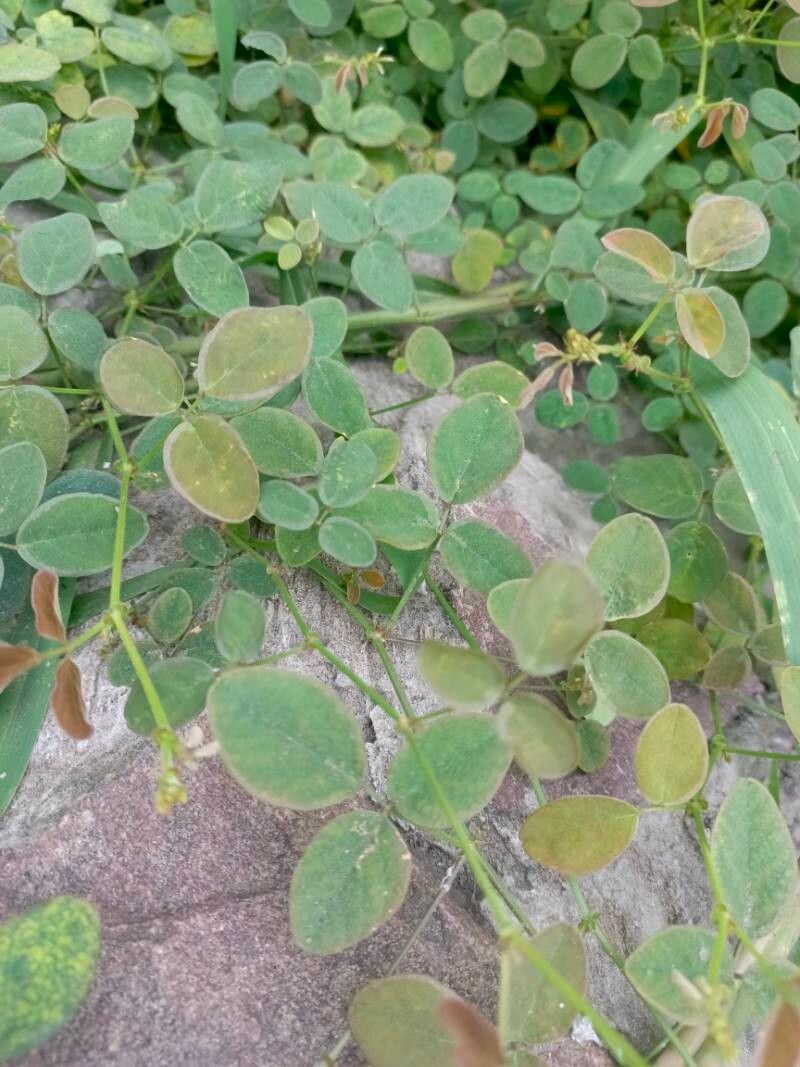
Propagating Desmodium scorpiurus: A Guide for the Determined Gardener
Introduction:
Desmodium scorpiurus, also known as the scorpion-tailed tick-trefoil or simply scorpion-trefoil, is a fascinating and attractive perennial legume prized for its unusual, scorpion-tail-like seed pods and attractive foliage. Its cascading habit makes it a desirable addition to rock gardens, borders, or hanging baskets. While its popularity among gardeners is growing, propagation can present unique challenges. This article explores various methods for propagating Desmodium scorpiurus, weighing the challenges and rewards of each.
Seed Germination:
Currently, there are no known reliable methods for seed germination propagation of Desmodium scorpiurus. While seeds are produced, their germination rate appears extremely low, likely due to a hard seed coat and/or dormancy mechanisms not yet fully understood. Further research into specific pre-treatment techniques (such as scarification or stratification) would be needed to determine the viability of this method.
Cuttings:
Cuttings offer a more promising avenue for propagating Desmodium scorpiurus.
Challenges: Success with cuttings depends heavily on timing and technique. Using semi-hardwood cuttings taken in late summer or early autumn offers the best chance of success.
Practical Tips: Cuttings should be 4-6 inches long, taken from healthy, non-flowering stems. Remove lower leaves to prevent rot and dip the cut end in a rooting hormone powder. Plant the cuttings in a well-draining potting mix, maintaining high humidity (e.g., using a propagator or covering with a plastic bag) and providing warmth (bottom heat is beneficial). Consistent moisture is crucial, but avoid overwatering which can lead to fungal diseases.
Rewards: This method offers a relatively quick method of propagation compared to others, preserving the genetic characteristics of the parent plant.
Division:
Division is another feasible option, especially if you already possess a mature plant.
Challenges: Desmodium scorpiurus may not readily produce readily separable crowns, making division more challenging than in some other plants which readily clump. Care must be taken to avoid damaging the roots.
Practical Tips: Division is best undertaken in spring or autumn. Gently dig up the plant and carefully separate it into smaller sections, ensuring each section retains a healthy portion of roots and stems. Plant the divisions immediately in well-prepared soil, keeping them well-watered until established.
Rewards: Division is a straightforward method that can quickly increase your plant stock.
Tissue Culture:
Tissue culture presents a potential high-yield propagation method for Desmodium scorpiurus, but it is a highly technical process.
Challenges: This method requires specialized equipment, sterile conditions, and experienced personnel. Establishing sterile cultures and finding the optimal growth medium can be challenging and requires significant trial and error.
Practical Tips: This method necessitates obtaining plant material from a healthy, disease-free specimen. Sterilization of all equipment and materials is critical, along with the use of a suitable culture medium containing appropriate nutrients and growth regulators.
Rewards: Tissue culture can produce a large number of genetically identical plants in a short time, ideal for commercial production or large-scale restoration projects.
Conclusion:
Propagating Desmodium scorpiurus presents unique challenges, with seed germination currently proving unreliable. However, cuttings and division provide accessible methods for the dedicated home gardener. Tissue culture offers a high-yield alternative, though it is technically demanding. The rewards of successfully cultivating this beautiful plant—seeing its delicate flowers and fascinating seed pods emerge from your care—make the effort worthwhile. Don’t be discouraged by initial setbacks; experimentation and persistence are key to mastering the propagation of this unique and rewarding plant.
