
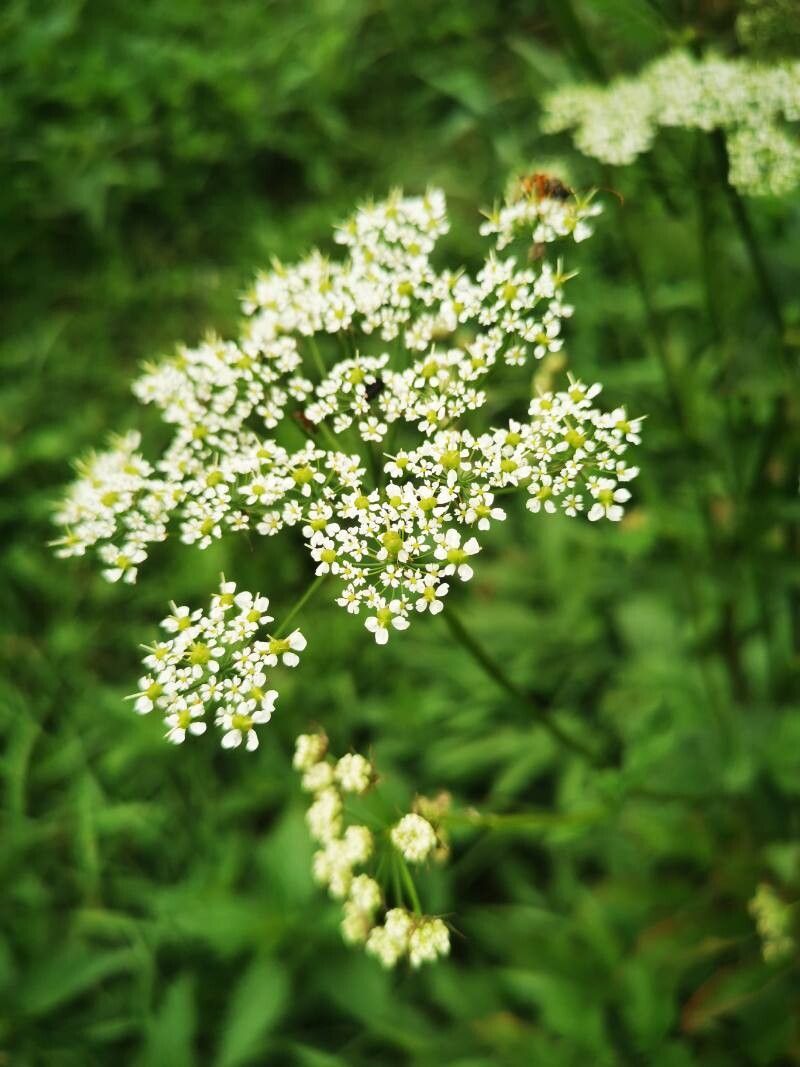
Propagating Chaerophyllum aromaticum: The Challenges and Rewards of Cultivating Sweet Cicely
Introduction:
Chaerophyllum aromaticum, commonly known as sweet cicely, is a charming herbaceous biennial or short-lived perennial prized for its delicate, fern-like foliage and anise-flavored leaves. Its culinary and medicinal uses have contributed to its growing popularity among gardeners, though its propagation presents unique challenges. Unlike some readily propagated herbs, sweet cicely’s propagation success often hinges on meticulous technique and understanding of its specific needs. This article will explore various propagation methods for this fascinating plant.
Seed Germination:
Seed germination is a viable method for propagating Chaerophyllum aromaticum, though it can be unpredictable. The challenges lie primarily in the seed’s dormancy and sensitivity to temperature fluctuations.
- Challenges: Sweet cicely seeds often exhibit dormancy, requiring stratification to break this dormancy. Improper stratification or sowing depth can lead to poor or no germination. Furthermore, seeds are sensitive to both excessively high and low temperatures.
- Practical Tips: Stratification is crucial. Mix seeds with moist vermiculite or sand and store them in a refrigerator at around 4°C (39°F) for 6-8 weeks. Sow seeds outdoors in autumn or early spring (after the last frost) at a shallow depth (barely covering them with soil) in a well-drained, humus-rich soil. Maintain consistently moist (but not waterlogged) conditions. A light covering of mulch can help regulate soil temperature and moisture.
- Rewards: Seed germination offers the greatest genetic diversity, leading to potential variations in plant characteristics. It’s also the most cost-effective method for large-scale propagation, if successful.
Cuttings:
Currently, there are no known reliable methods for propagating Chaerophyllum aromaticum from cuttings. The plant’s stem structure and physiology likely do not lend themselves to successful rooting from cuttings.
Division:
Division is a potentially viable method, particularly for established plants.
- Challenges: Sweet cicely has a relatively shallow root system, making careful division critical to avoid damaging the roots. Improper division can lead to plant shock and failure to establish. The best time to divide is in spring or autumn.
- Practical Tips: Divide mature plants (at least 2 years old) in the spring or autumn, ensuring each division has ample roots and foliage. Plant the divisions immediately into well-prepared soil, keeping them consistently moist until established.
- Rewards: Division offers a faster way to propagate than seed, producing established plants sooner. It also maintains the characteristics of the parent plant, making it suitable for preserving desirable traits.
Tissue Culture:
While not commonly practiced for sweet cicely at home, tissue culture offers a powerful method, especially for mass production and disease-free plants.
- Challenges: Tissue culture requires specialized equipment, sterile conditions, and expertise in plant tissue culture techniques. It’s not a practical method for home gardeners.
- Practical Tips: Success depends on using appropriate media, growth regulators, and sterile techniques. This process is best left to specialized laboratories or nurseries.
- Rewards: Tissue culture can produce large numbers of disease-free plants rapidly. It is also excellent for preserving rare or endangered varieties.
Conclusion:
Propagating Chaerophyllum aromaticum presents various challenges depending on the chosen method. Seed germination, while achievable with stratification, is often unpredictable. Division offers a more reliable method for home gardeners, while tissue culture remains the domain of professionals needing large-scale propagation. The rewards, however, are well worth the effort: the unique flavor and delicate beauty of this herb bring significant satisfaction to gardeners. Don’t be discouraged by initial setbacks; persistent experimentation and attention to detail will eventually yield rewarding results, adding the aromatic delight of sweet cicely to your garden. Remember to practice patience and celebrate even small successes along the way!