
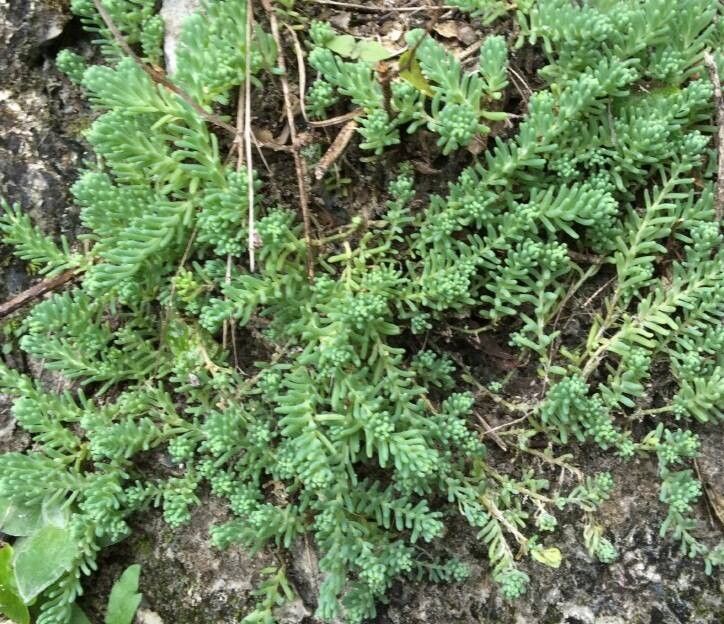
Propagating Sedum diffusum: The Spreading Stonecrop’s Secrets
Introduction:
Sedum diffusum, commonly known as the spreading stonecrop, is a charming succulent prized for its sprawling habit, delicate foliage, and prolific star-shaped flowers. Its ability to thrive in poor soils and sun-drenched locations makes it a popular choice for rock gardens, containers, and even green roofs. The ease of propagation, primarily through vegetative means, contributes to its widespread appeal among gardeners, though its seed propagation success remains questionable. However, the unique challenge of working with this relatively low-growing, yet resilient plant, adds to the satisfaction of successful cultivation.
Seed Germination:
Currently, there are no known reliable methods for seed germination propagation of Sedum diffusum. While the plant produces seeds, their germination rate is reportedly extremely low, and successful seedling establishment is rarely documented in horticultural literature. Further research is needed to determine if specific pretreatment techniques or environmental conditions can improve germination success.
Cuttings:
Cuttings are the most reliable and widely used method for propagating Sedum diffusum.
Challenges: The primary challenge lies in preventing rot before rooting occurs. Overwatering is a common culprit.
Practical Tips: Take stem cuttings in spring or summer, allowing them to callus for a few days before planting. Use a well-draining succulent potting mix or even pure perlite. Plant cuttings shallowly, ensuring only the bottom nodes are in contact with the medium. Water sparingly, only when the soil is completely dry. High humidity can encourage rot, so avoid covering the cuttings.
Rewards: Cuttings are relatively easy to root, resulting in quick propagation and increased genetic uniformity compared to seed propagation. This method is ideal for preserving desirable traits of a particular plant.
Division:
Division is another effective method, particularly for established plants.
Challenges: Care must be taken to avoid damaging the fragile roots during division. Each division should ideally contain a good portion of healthy roots to ensure successful establishment.
Practical Tips: Carefully lift the mature plant from the ground in spring or fall. Gently separate the plant into smaller sections, ensuring each division has its own root system. Replant the divisions in well-draining soil, ensuring proper spacing. Water sparingly initially.
Rewards: Division provides a quick and efficient way to increase the number of plants, particularly useful for larger specimens. It also rejuvenates older plants by stimulating new growth.
Tissue Culture:
While tissue culture is a possibility for Sedum diffusum, it is generally not a practical method for home gardeners due to the specialized equipment, sterile environment, and technical expertise required.
Challenges: Establishing sterile culture conditions, selecting appropriate media and growth regulators, and managing potential contamination are significant hurdles.
Practical Tips: This method is best left to professional nurseries or researchers.
Rewards: Tissue culture offers the potential for mass propagation and disease-free plantlets. It also allows for the preservation of rare or endangered cultivars.
Conclusion:
Propagating Sedum diffusum presents both challenges and rewards. Seed germination proves unreliable, but cuttings and division offer reliable means of increasing your stock. While tissue culture remains a specialized method, the ease and success of cuttings and division make them achievable for home gardeners. The satisfaction of successfully coaxing new life from a small cutting or dividing a thriving plant is uniquely rewarding, especially considering the delicate nature of the plant. Don’t be discouraged by initial setbacks; experiment with different techniques, pay close attention to watering, and you’ll soon be enjoying the beauty of spreading stonecrop across your garden. Remember patience and observation are key to success.