
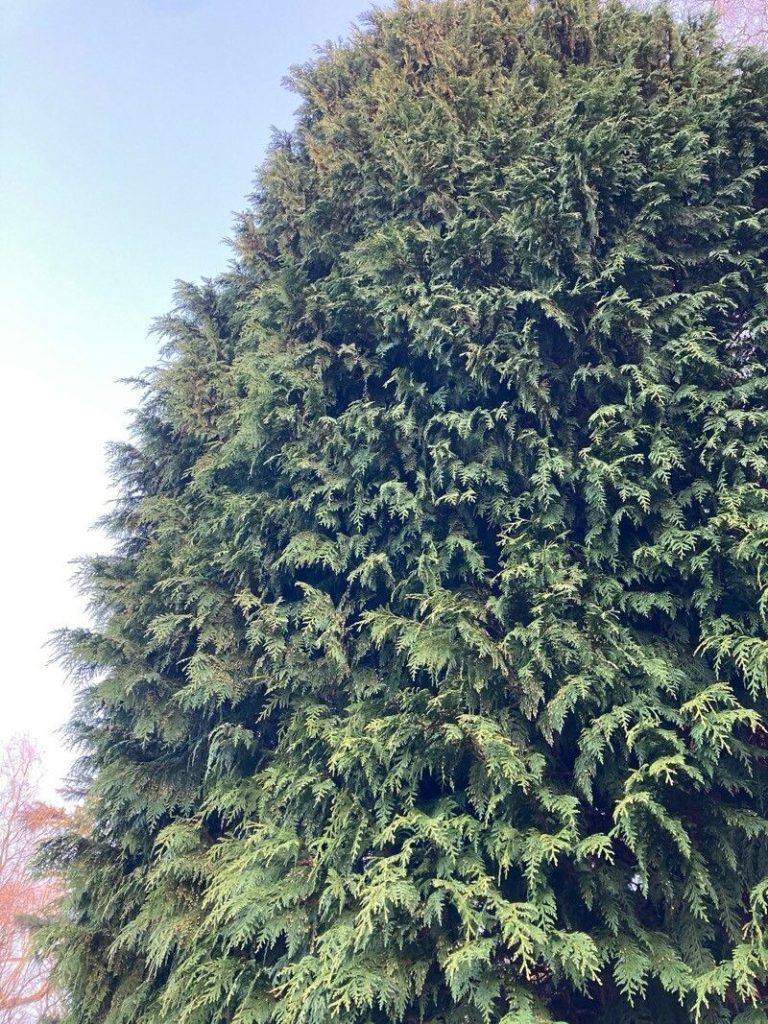
Propagating Chamaecyparis lawsoniana: The Art of Growing Port-Orford-Cedar
Introduction
Chamaecyparis lawsoniana, commonly known as Port-Orford-cedar, is a highly prized evergreen conifer prized for its elegant form, rich foliage, and adaptability to various garden settings. Its popularity among gardeners stems from its versatility – it can be grown as a tall specimen tree, a sculpted hedge, or even a bonsai. However, propagating Port-Orford-cedar can present unique challenges due to its specific environmental needs and relatively slow growth rate. This article explores different propagation methods, weighing their effectiveness and suitability for both amateur and professional horticulturalists.
Seed Germination
Seed germination is a viable, albeit challenging, method for propagating Chamaecyparis lawsoniana. The main hurdle is overcoming seed dormancy. Successful germination requires a period of cold stratification. This process mimics the natural winter conditions the seeds would experience.
Challenges: Low germination rates are common even with stratification. Seeds require specific temperature and moisture conditions throughout the stratification period. Fungal diseases can also decimate seedlings during germination.
Tips: Collect seeds from mature cones in autumn. Stratify seeds for 60-90 days at temperatures between 33-41°F (0-5°C) in a moist medium such as vermiculite or perlite. Sow seeds in a well-draining seed-starting mix, maintaining consistent moisture but avoiding waterlogging. Keep seedlings in a shaded, humid environment.
Rewards: Seed propagation offers the greatest genetic diversity, yielding plants with a wider range of characteristics. This method can be cost-effective for large-scale propagation.
Cuttings
Cuttings are a more reliable method than seed germination for propagating Chamaecyparis lawsoniana.
Challenges: Rooting success depends heavily on the time of year (late summer/early autumn is generally best), the use of rooting hormone, and maintaining high humidity around the cuttings. Slow rooting and potential for fungal infections remain persistent challenges.
Tips: Take semi-hardwood cuttings (approximately 4-6 inches long) from non-flowering shoots. Remove lower foliage, treat the base of the cuttings with rooting hormone, and plant them in a moist, well-draining propagation mix. Provide bottom heat, high humidity (e.g., using a humidity dome or misting system), and protection from direct sunlight.
Rewards: Cuttings produce genetically identical clones of the parent plant, preserving desirable characteristics. This is a considerably more reliable method than seed propagation for the home gardener.
Division
Division is generally not a practical method for propagating Chamaecyparis lawsoniana. Mature plants are large and deep-rooted, making division difficult and potentially damaging to the plant. Smaller plants could theoretically be divided, but this is uncommon and risks significant root damage.
Tissue Culture
Tissue culture is the most advanced and technically demanding propagation method for Chamaecyparis lawsoniana.
Challenges: Requires specialized equipment, a sterile laboratory environment, and expertise in plant tissue culture techniques. The process is time-consuming and expensive.
Tips: This method involves establishing aseptic cultures from small plant tissues and inducing them to regenerate into new plants under controlled conditions. Sterilization of all materials is critical.
Rewards: Tissue culture offers the highest efficiency and allows for large-scale clonal propagation of elite genotypes. It is also useful for disease eradication and genetic modification.
Conclusion
Propagating Chamaecyparis lawsoniana presents unique challenges across all methods. While seed propagation offers genetic diversity at a low cost (but lower success), cuttings provide a more reliable approach for many gardeners but need specialized care. Division is generally impractical, and tissue culture, although highly efficient, is expensive and requires specialized training.
The satisfaction of successfully cultivating a Port-Orford-cedar from seed, cutting, or even tissue culture, however, is immense. Overcoming the challenges associated with its propagation cultivates a deep appreciation for the plant’s resilience and beauty. It is a testament to the gardener’s patience, skill, and dedication. For aspiring propagators, I encourage persistence, thorough research, and a willingness to experiment. The rewards of witnessing the successful growth of this magnificent conifer are well worth the effort.