
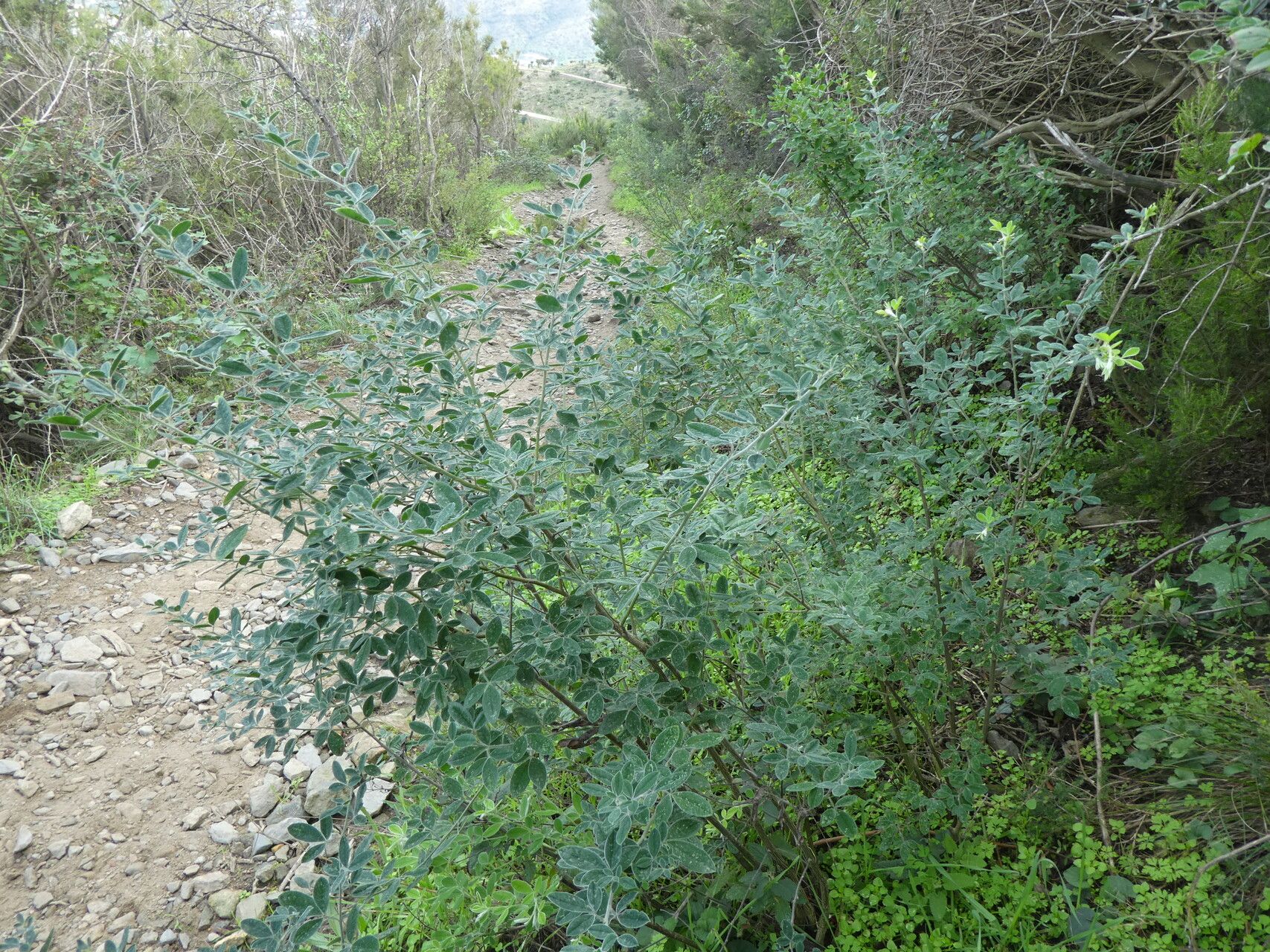
Propagating the Three-Flowered Broom (Chamaecytisus triflorus): A Gardener’s Guide
Introduction:
Chamaecytisus triflorus, commonly known as the Three-flowered Broom, is a charming, low-growing shrub prized for its profuse display of vibrant yellow, pea-like flowers in late spring. Its compact habit and tolerance of poor soils make it a desirable addition to rock gardens, borders, and other low-maintenance landscapes. However, its relative rarity in cultivation compared to other brooms makes propagation a topic of interest for keen gardeners. The unique challenge in propagation stems from its somewhat unpredictable response to common methods.
Seed Germination:
Currently, there are no known reliable methods for seed germination propagation of Chamaecytisus triflorus. While seed production occurs, germination rates are extremely low, even with pre-treatment techniques like stratification (chilling seeds to break dormancy). Further research is needed to establish consistent germination protocols for this species.
Cuttings:
Cuttings offer a more promising approach to propagating Chamaecytisus triflorus.
Challenges: Rooting success can be variable, depending on the timing (ideally semi-hardwood cuttings in summer), the use of rooting hormone, and the consistency of moisture and temperature.
Practical Tips: Take semi-hardwood cuttings of approximately 8-10cm length, removing lower leaves. Dip the cut ends in a rooting hormone powder, and plant in a well-draining, moist propagation mix (e.g., a mix of peat moss and perlite). Maintain high humidity using a propagator or covering with a plastic bag. Consistent warmth and humidity are crucial for success.
Rewards: Successfully rooted cuttings provide genetically identical plants to the parent, ensuring the preservation of desirable traits. This method is relatively straightforward compared to seed propagation once mastered, enabling the relatively easy production of multiple plants.
Division:
Division is generally not a viable option for Chamaecytisus triflorus. Its compact, relatively shallow root system doesn’t lend itself easily to being separated into independent, viable portions. Attempting division is likely to severely damage the plant without producing new, healthy individuals.
Tissue Culture:
Tissue culture offers the potential for large-scale propagation of Chamaecytisus triflorus.
Challenges: This technique requires specialized equipment, sterile conditions, and expertise in plant tissue culture protocols. Specific media formulations and growth regulators need to be identified and optimized for this species, representing a significant investment in time and resources.
Practical Tips: This method should be undertaken by experienced tissue culturists using established protocols, possibly adapted from closely related species. The process involves sterilizing plant material, establishing cultures on appropriate media, and then sub-culturing to multiply plantlets before acclimatizing to greenhouse conditions.
Rewards: Tissue culture offers the potential to rapidly produce large numbers of genetically identical plants, preserving desirable traits and offering significant advantages for commercial propagation or conservation efforts.
Conclusion:
Propagating Chamaecytisus triflorus presents various challenges, with seed germination proving unreliable, division impractical, and tissue culture representing a specialized and resource-intensive approach. Cuttings offer the most accessible method for the home gardener, though success requires patience and attention to detail. While the journey may involve setbacks, the rewarding sight of a successfully propagated Three-flowered Broom flourishing in your garden will be a testament to your perseverance and gardening skills. Don’t be discouraged by early failures; experiment with different techniques and timings, and embrace the learning process inherent in cultivating this unique and beautiful plant. The satisfaction derived from cultivating a plant known for its propagation difficulties is an experience unlike any other.