
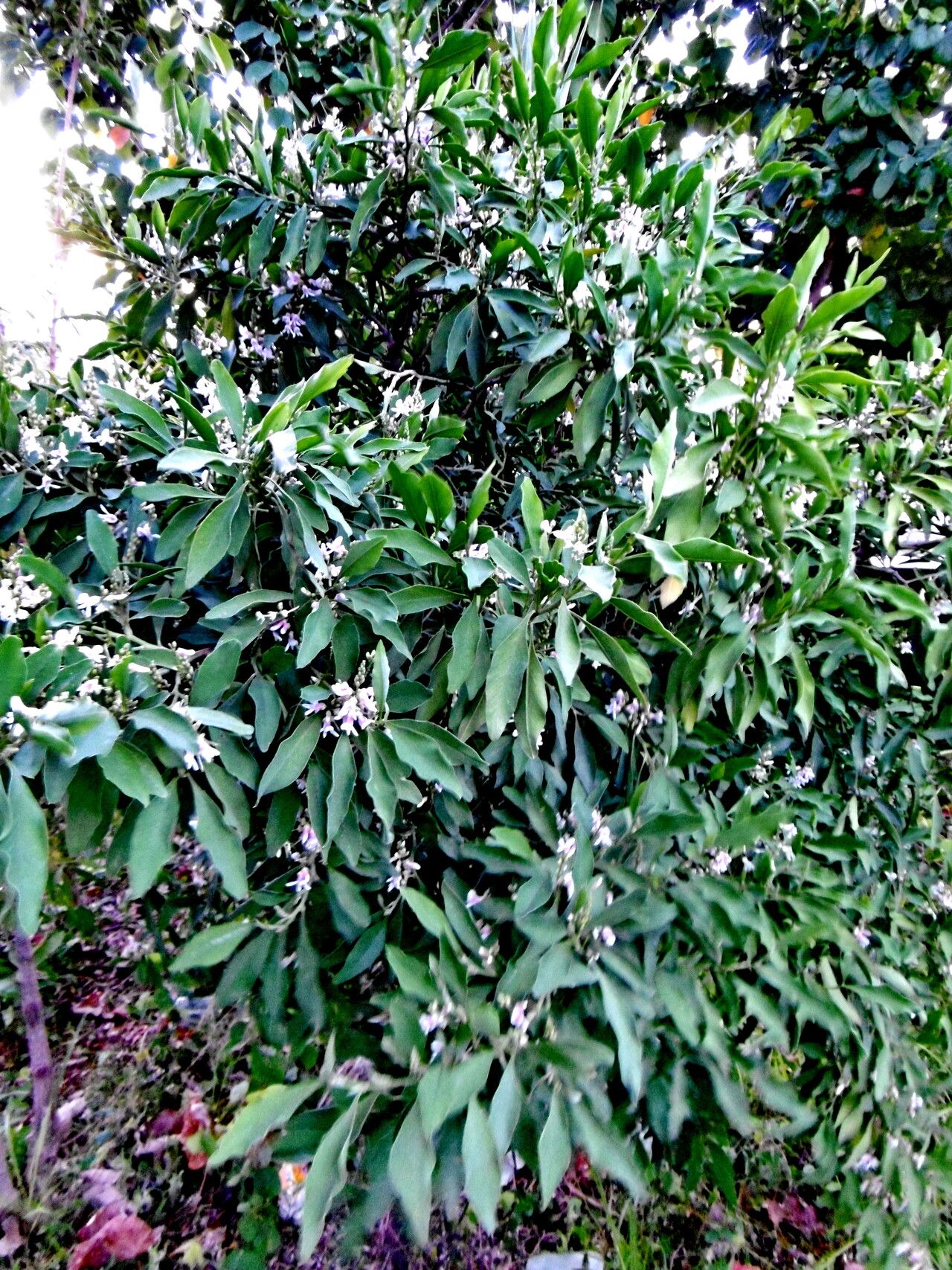
Propagating Indigofera ammoxylon: A Gardener’s Guide
Indigofera ammoxylon, commonly known as the Desert Indigo or Kidney-leaved Indigo, is a captivating shrub prized for its attractive, vibrant purple flower spikes and drought-tolerant nature. Its delicate foliage and relatively low maintenance requirements have made it increasingly popular among gardeners, particularly in arid and semi-arid regions. However, propagation can present unique challenges, making success all the more rewarding. This article explores various propagation methods for this fascinating plant.
Seed Germination:
Currently, there are no known reliable methods for seed germination propagation of Indigofera ammoxylon. While seeds may be produced, germination rates are extremely low, even under optimal conditions. Further research is needed to determine if specific pre-treatments like scarification or stratification would improve germination success. The challenges associated with seed propagation currently outweigh the rewards, which include genetic diversity and the potential for large-scale production.
Cuttings:
Cuttings represent a more viable propagation method for Indigofera ammoxylon. Semi-hardwood cuttings, taken in late summer or early autumn, show the best results.
Challenges: Root development can be slow, and the cuttings are susceptible to fungal diseases. Providing a humid environment and using a rooting hormone significantly increases the chances of success.
Practical Tips: Take cuttings approximately 4-6 inches long, removing lower leaves to prevent rot. Dip the cut ends in a rooting hormone powder before planting in a well-draining mix, such as a perlite and peat moss blend. Maintain high humidity using a propagation dome or plastic bag. Regular misting is crucial.
Rewards: This method allows for relatively quick replication of desirable plant characteristics, preserving specific traits.
Division:
Division is another relatively successful method, though it is limited by the established size and age of the plant.
Challenges: Mature plants may be difficult to divide without damaging the root system. Divisions must be large enough to contain sufficient roots to support growth.
Practical Tips: Division is best attempted in spring or autumn when the plant is actively growing. Dig up the entire plant carefully, and separate it into several sections, ensuring each section retains a healthy portion of roots and stems. Replant immediately, ensuring good soil contact around the roots.
Rewards: This method can help maintain established plants and quickly propagate larger plants.
Tissue Culture:
While tissue culture offers the potential for large-scale and rapid propagation of Indigofera ammoxylon, this method requires specialized equipment, sterile conditions, and expertise in plant tissue culture techniques. It is not readily accessible to home gardeners.
Challenges: Establishing sterile conditions and developing appropriate culture media require significant experience and investment.
Practical Tips: This method is best left to specialized nurseries and research laboratories possessing the requisite facilities and knowledge.
Rewards: Massive numbers of genetically identical plants can be produced.
Conclusion:
Propagating Indigofera ammoxylon presents various challenges, with seed germination being currently impractical. Cuttings and division offer more reliable methods for the home gardener, though success requires patience and attention to detail. Tissue culture remains a specialized advanced technique. The rewards of successfully cultivating this beautiful plant – its vibrant blooms and resilience – far outweigh the difficulties involved. The unique satisfaction comes not just from the beautiful result, but from overcoming the inherent obstacles in its propagation. Don’t be discouraged by initial setbacks; persevere, experiment, and enjoy the journey of bringing the beauty of Indigofera ammoxylon to your garden.