
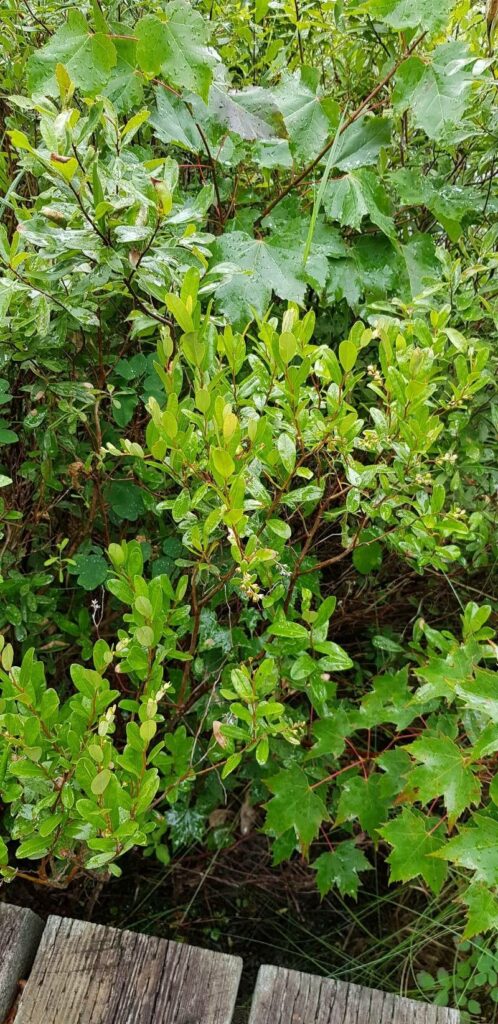
Taming the Wild Beauty: Propagating Leatherleaf (Chamaedaphne calyculata)
Leatherleaf (Chamaedaphne calyculata), with its charming name and rugged good looks, offers a unique aesthetic to any bog garden. This hardy, evergreen shrub boasts delicate, bell-shaped flowers that dangle like tiny lanterns in the spring, adding a touch of whimsy to the landscape. While often found thriving in the wild, cultivating leatherleaf at home can be a rewarding endeavor. Let’s delve into the art of propagating this captivating bog beauty.
Understanding the Lay of the Land (or Bog)
Before diving into propagation, it’s crucial to understand leatherleaf’s natural habitat. It thrives in acidic, moist, and peaty soils found in bogs, swamps, and along pond edges. Mimicking these conditions is key to successful propagation and cultivation.
Propagation Methods: A Two-Pronged Approach
Leatherleaf can be propagated in two primary ways:
-
Seed Propagation: A Test of Patience
- Collection: Collect ripe seed capsules in late summer or early fall. Look for brown, dry capsules that are easy to open.
- Stratification: Leatherleaf seeds require a period of cold stratification to mimic winter conditions. Store seeds in a moist medium (like sand or vermiculite) in the refrigerator for 60-90 days.
- Sowing: In spring, sow the stratified seeds in a mix of peat moss and sand. Keep the soil consistently moist but not waterlogged.
- Germination: Be patient! Germination can take several weeks or even months.
While propagating from seed is possible, it is often slow and less reliable than other methods. It’s a rewarding challenge for the patient gardener.
-
Cuttings: A Faster Route to Success
- Timing: Take softwood cuttings in late spring or early summer when new growth is pliable.
- Preparation: Choose healthy stems and cut 4-6 inch sections just below a leaf node. Remove the lower leaves, leaving 2-3 pairs at the top.
- Hormone Treatment (Optional): Dipping the cut ends in rooting hormone can increase the success rate, but it’s not strictly necessary.
- Planting: Stick the cuttings in a well-draining, acidic potting mix (a combination of peat moss and perlite works well).
- Environment: Cover the cuttings with a clear plastic bag or humidity dome to maintain moisture. Place in a bright location but out of direct sunlight.
- Rooting: Roots should develop in 4-8 weeks. Once rooted, gradually acclimate the cuttings to outdoor conditions before transplanting.
Transplanting Your Leatherleaf Treasures
Whether you’ve nurtured seeds or cuttings, transplant your leatherleaf seedlings or rooted cuttings into a permanent location in the fall. Choose a spot that receives full sun to partial shade and has acidic, moist soil. When planting, space your leatherleaf plants 2-3 feet apart to accommodate their mature size.
Maintenance: Less is More
Leatherleaf is relatively low-maintenance once established.
- Watering: Water regularly, especially during dry spells, to maintain soil moisture.
- Fertilizing: Avoid using fertilizers high in nitrogen, as they can encourage excessive leafy growth and inhibit flowering. A light application of a balanced, slow-release fertilizer formulated for acid-loving plants in early spring is sufficient.
- Pruning: Remove any dead or damaged branches in late winter or early spring.
With a little patience and attention to its specific needs, you can successfully propagate and cultivate leatherleaf, adding a touch of wild beauty to your garden landscape.