
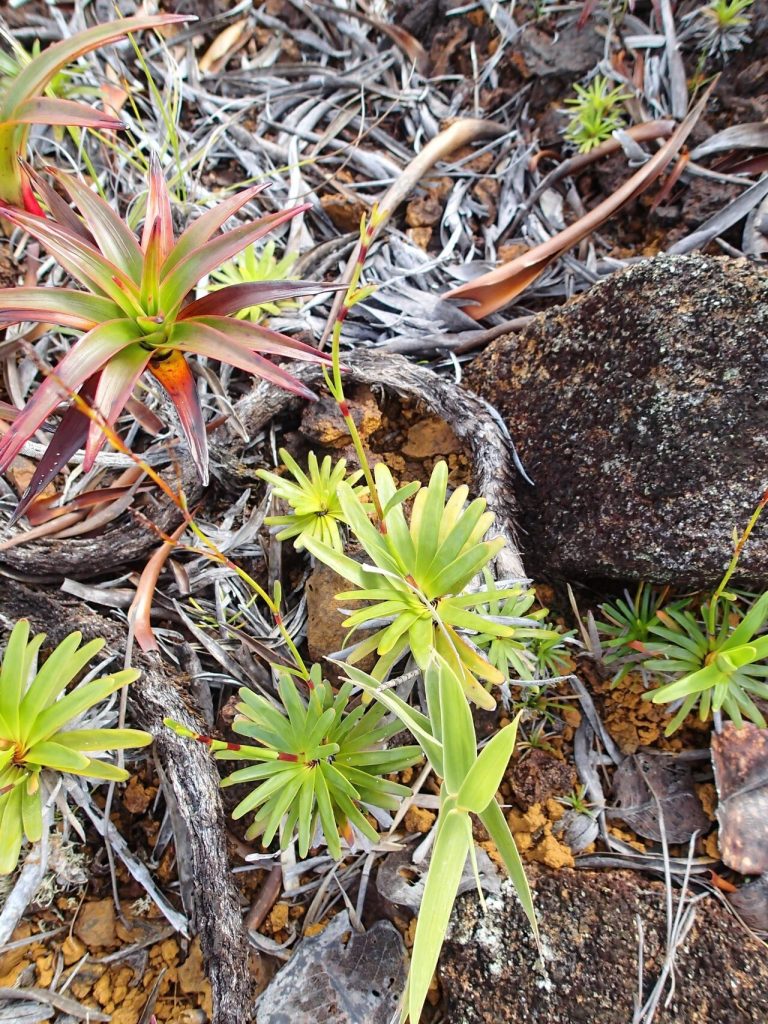
Propagating the Fragile Beauty: A Guide to Chamaedendron fragilis
Chamaedendron fragilis, commonly known as the fragile tree-nettle (though this common name isn’t widely used and may be confused with other plants), is a captivating shrub appreciated for its unique, almost ethereal appearance. Its delicate foliage and somewhat challenging nature make it a prized possession for many gardeners. However, its very fragility also makes propagation a complex undertaking. This article explores different propagation methods for this intriguing plant.
Seed Germination:
Currently, there are no known reliable methods for seed germination propagation of Chamaedendron fragilis. While the plant does produce seeds, their viability is questionable, and germination rates appear to be extremely low even under optimal conditions. Further research is needed to determine if specific pre-treatments or specialized germination techniques could improve success.
Cuttings:
Cuttings offer a more promising approach than seed germination.
Challenges: Chamaedendron fragilis cuttings can be prone to rotting before rooting, particularly if humidity and temperature aren’t meticulously controlled. The success rate is generally low, requiring patience and attention to detail.
Practical Tips: Semi-hardwood cuttings taken in late summer or early fall show the best results. Use a sharp knife or shears to make clean cuts, avoiding bruising the stem. Dip the cutting base in rooting hormone before planting in a well-draining, sterile propagation mix (e.g., perlite and peat moss). Maintain high humidity (using a cloche or propagator) and bottom heat (around 20-24°C). Regular misting is crucial, but avoid overwatering which promotes rot.
Rewards: Successful rooting of cuttings allows for the preservation of desirable traits from the parent plant, making it an ideal method for maintaining specific cultivars. It also provides a more rapid method of propagation compared to division.
Division:
Division is a viable method for propagating Chamaedendron fragilis, particularly when dealing with established plants.
Challenges: This method is limited by the size and health of the parent plant. Dividing too aggressively can stress the parent, potentially leading to its decline. Properly separating the roots without causing significant damage is crucial for successful propagation.
Practical Tips: Division is best performed during the plant’s dormant period (late fall or early spring). Carefully dig up the entire plant, gently separating the root ball into smaller sections, each with healthy roots and shoots. Replant divisions immediately in well-prepared soil, ensuring the crowns are not buried too deeply. Water thoroughly after planting.
Rewards: This is a relatively straightforward method, offering quite high success rates if done correctly. It allows for relatively quick propagation when compared to cuttings.
Tissue Culture:
Tissue culture offers a potential method for large-scale propagation of Chamaedendron fragilis and overcomes many of the problems of other methods.
Challenges: This method requires specialized equipment, a sterile environment and expertise in plant tissue culture techniques. This makes it less accessible to the home propagator.
Practical Tips: Appropriate media and plant growth regulators will be crucial for successful propagation. This method demands a much higher investment than other methods.
Rewards: Tissue culture offers a highly efficient means of rapid propagation, allowing for the production of many plants from a small amount of source material. It opens up opportunities for large-scale cultivation and potentially the development of disease-resistant varieties.
Conclusion:
Propagating Chamaedendron fragilis presents specific challenges across all explored methods. Seed germination remains largely unsuccessful, while cuttings, division, and tissue culture offer varying levels of success contingent on precise technique and conducive conditions. The rewards, however, are considerable: each successfully propagated plant represents a triumph over the inherent difficulties, offering immense satisfaction to the gardener. Whether you choose cuttings, division, or – with the necessary resources – tissue culture, patience, meticulous attention to detail, and a thorough understanding of the plant’s needs are key to success. The unique beauty of Chamaedendron fragilis makes the effort more than worthwhile for any dedicated propagator.