
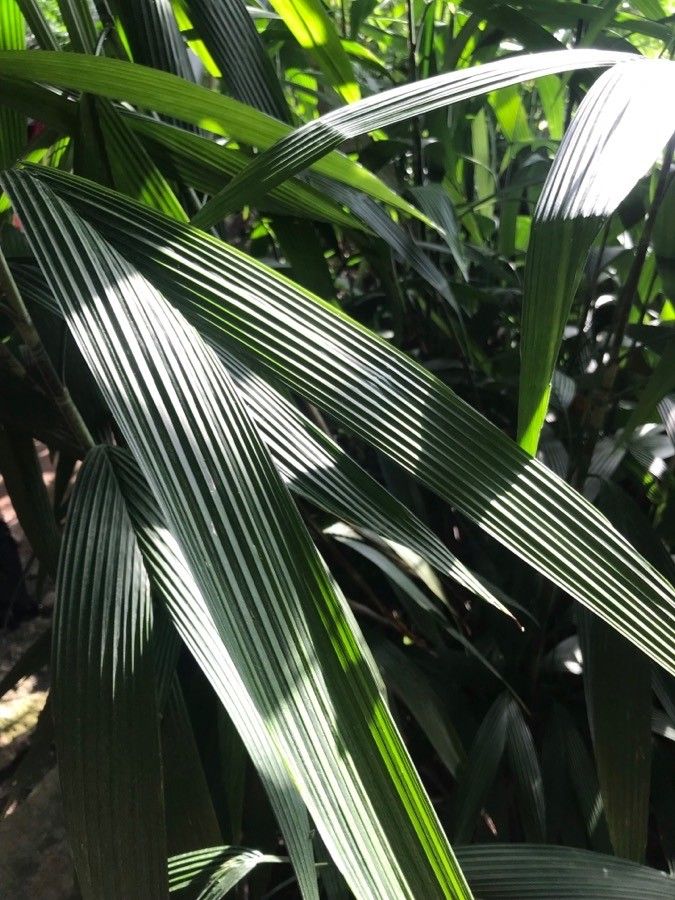
Bringing New Life to Parlor Palms: A Guide to Propagating Chamaedorea Fragrans
The Chamaedorea fragrans, also known as the Parlor Palm, is a popular houseplant choice for its graceful, feathery fronds and low-maintenance nature. But did you know that you can easily multiply your Parlor Palm collection by propagating new plants from cuttings? This method allows you to create more of these elegant beauties without breaking the bank.
The Basics of Parlor Palm Propagation:
Parlor Palms propagate best through division and seed sowing. Division is a quicker method that involves separating established clumps of the plant, while seed sowing is a more time-consuming process that requires patience. Both methods are relatively straightforward, even for novice plant enthusiasts.
1. Propagation Through Division:
- Choose the right plant: Select a mature Parlor Palm with multiple stems originating from the base.
- Prepare for division: Gently loosen the soil around the base of the plant.
- Separate the clumps: Carefully use a sharp knife or pruning shears to divide the clump into smaller sections, each with its own roots and stems.
- Repot the divisions: Plant the newly divided sections into separate pots filled with well-draining potting mix. Keep the soil consistently moist until new growth appears.
2. Propagation Through Seed Sowing:
- Collect fresh seeds: Obtain seeds from ripe Parlor Palm fruits (small, orange berries). These can be collected from your own plant or purchased from specialized nurseries.
- Prepare the sowing mix: Use a seed-starting mix or a blend of perlite and peat moss.
- Sow the seeds: Gently press the seeds into the prepared mix, ensuring they are lightly covered. Water the seeds and place the pot in a warm, bright location – but avoid direct sunlight.
- Maintain optimal conditions: Keep the soil consistently moist, but avoid overwatering. Provide adequate humidity and warm temperatures for optimal seed germination. This process can take several months.
Essential Tips for Success:
- Use clean tools: Sterilize your knives or pruning shears before separating the plant. This helps to minimize the risk of fungal infections.
- Potting mix matters: Parlor Palms prefer well-draining potting mix. Avoid heavy soil that compacts easily.
- Provide adequate light: Young plants need bright indirect light. Avoid exposing them to direct sunlight, which can scorch their leaves.
- Water consistently: Keep the soil moist but not soggy, especially during the initial rooting stages.
Enjoy your new Parlor Palms:
Once your new Parlor Palms are established, they can be repotted into larger containers as needed. With the right care and attention, you will soon have a flourishing collection of these elegant indoor plants, adding a touch of tropical beauty to your home.
Final Thoughts:
Propagating your own Parlor Palms is a rewarding and affordable way to expand your plant collection. By following these simple steps, you can bring new life to your beloved plants and enjoy the satisfaction of nurturing these tropical gems from seed to maturity. Happy propagating!