
Unlocking the Secrets: Propagating Your Chamaedorea Pygmaea
The Chamaedorea pygmaea, also known as the Miniature Fishtail Palm, is a delightful small palm perfect for bringing a touch of the tropics indoors. Its compact size, elegant fronds, and easy-going nature make it a favorite among plant enthusiasts. If you’re lucky enough to have one of these beauties gracing your home, you might be wondering how to propagate it and share the joy. Luckily, while it might seem like a secret art, propagating your Chamaedorea pygmaea is achievable even for beginners!
Two Paths You Can Take:
While Chamaedorea pygmaea doesn’t propagate from cuttings, we have two effective methods at our disposal:
-
Division: The most straightforward method involves dividing established plants.
- Seed Propagation: This method requires a bit more patience but is an exciting journey for any plant parent.
Division: Separating for Success
-
The Right Time: Spring is ideal for division, coinciding with your palm’s active growth phase.
-
Gentle Hands: Carefully remove your Chamaedorea pygmaea from its pot. Loosen the soil around the roots and look for natural divisions where offshoots have formed.
-
Separation Anxiety? Gently detangle the roots of the offshoots. If the roots are stubbornly intertwined, using a clean, sharp knife to separate them is acceptable.
- Potting Up: Plant your divisions in well-draining potting mix designed for palms. Water thoroughly, ensuring the excess water drains.
Seed Propagation: A Labor of Love
-
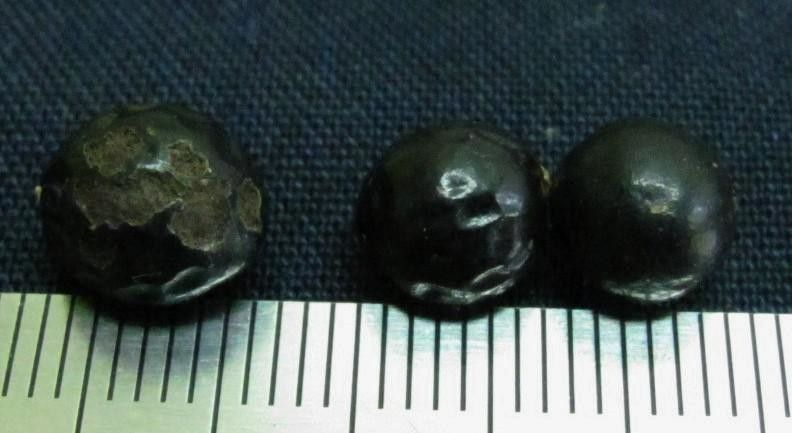
Source Matters: Obtain fresh, viable seeds from a reputable seller as older seeds have lower germination rates.
-
Prepping Your Seeds: Soak your seeds in lukewarm water for 24-48 hours to enhance germination.
-
Sowing the Seeds: Plant the seeds in a seed-starting mix, barely covering them. Maintain a humid environment by using a humidity dome or covering the pot with plastic wrap.
-
Patience is Key: Germination can take anywhere from a few weeks to a couple of months. Ensure the soil stays consistently moist but not waterlogged.
- Basking in the Light: Once seedlings appear, provide them with bright, indirect light.
Nurturing Your New Additions:
Regardless of your chosen propagation method, providing your new Chamaedorea pygmaea plants with the right care is crucial for their growth:
-
Light: Bright, indirect light is ideal. Avoid direct sunlight, which can scorch their delicate fronds.
-
Water: Water thoroughly when the top inch of soil feels dry. Overwatering can lead to root rot, so ensure proper drainage.
-
Humidity: As tropical plants, they appreciate higher humidity. Mist them regularly or use a pebble tray filled with water.
- Feeding: Fertilize your palms during the growing season (spring and summer) with a balanced liquid fertilizer.
Propagation: A Rewarding Experience
Propagating your Chamaedorea pygmaea may require a touch of patience, but the rewards are well worth the effort. Not only will you expand your plant family with minimal expense, but you’ll also experience the satisfaction of nurturing new life. So why not give it a try? You might be surprised at how easy it is to unlock the secrets of propagating this stunning and rewarding palm.