
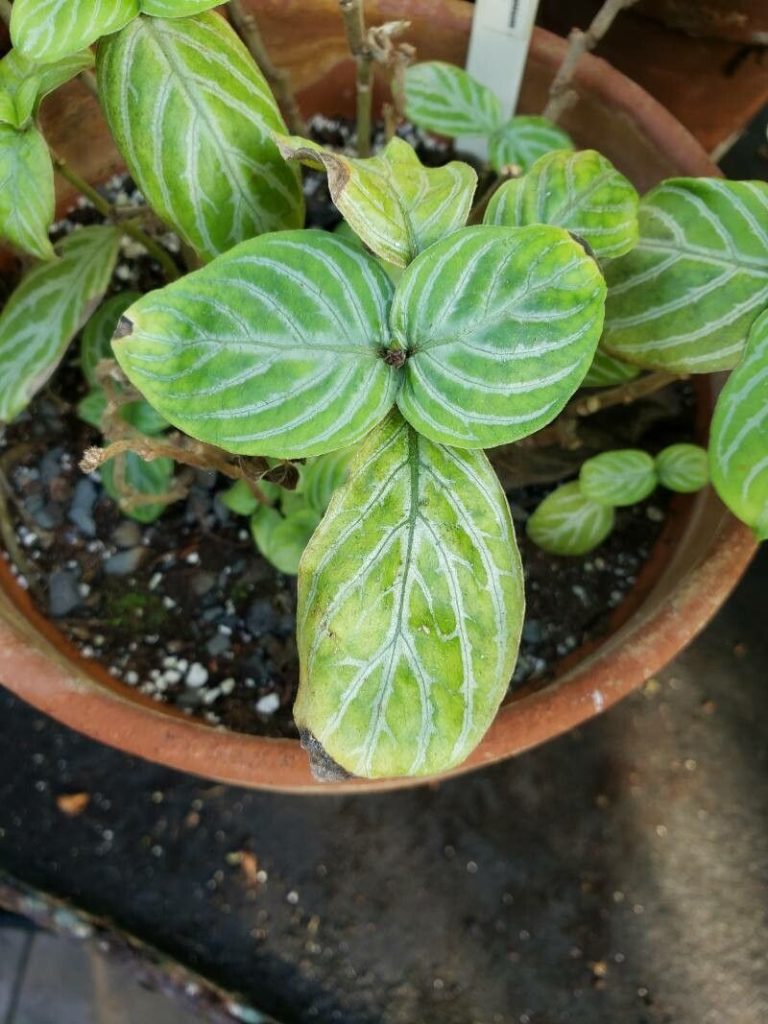
Propagating Chamaeranthemum venosum: A Gardener’s Guide to the Vein-Leafed Beauty
Introduction
Chamaeranthemum venosum, also known as the vein-leaved chamaeranthemum or sometimes the purple-veined chamaeranthemum, is a striking herbaceous perennial prized for its vibrant foliage. Its ovate leaves boast prominent, contrasting purple veins against a backdrop of bright green, creating a captivating visual effect that makes it a popular choice among gardeners. While readily available commercially, propagating Chamaeranthemum venosum offers a rewarding experience, albeit one with some unique challenges. The plant’s relatively slow growth and specific requirements for successful propagation make it an intriguing subject for the passionate plant enthusiast.
Seed Germination
Currently, there are no known reliable methods for seed germination propagation of Chamaeranthemum venosum. While the plant does produce seeds, their viability and germination rate are extremely low, making this method impractical for most gardeners. Further research into specific germination requirements might be needed to unlock this potential propagation route.
Cuttings
Challenges: While stem cuttings are the most commonly used and successful method, Chamaeranthemum venosum cuttings can be slow to root. Proper hygiene and environmental control are crucial to prevent rot.
Tips: Take semi-hardwood cuttings (about 4-6 inches long) from healthy, non-flowering stems in spring or early summer. Remove lower leaves to avoid rot. Dip the cut ends in a rooting hormone solution. Plant cuttings in a well-draining, moist propagation mix (e.g., a mix of peat moss and perlite). Maintain high humidity (e.g., using a humidity dome or plastic bag) and provide bright, indirect light. Root formation can take several weeks to months.
Rewards: This method offers a relatively straightforward way to increase the number of plants, preserving the traits of the mother plant. Its reliability makes it a preferred choice for most gardeners.
Division
Challenges: Chamaeranthemum venosum is not naturally clump-forming, limiting the effectiveness of division. Dividing the plant can also risk damaging the roots and causing stress leading to plant failure.
Tips: Division is only feasible when the plant has become significantly large and established. Carefully dig up the plant and gently separate the root system into smaller sections, ensuring each has sufficient roots and stems. Replant the divisions in well-prepared soil, ensuring proper watering and protection from direct sunlight until they re-establish themselves.
Rewards: Division, when successful, provides a quicker way to increase the number of plants compared to cuttings, but it’s inherently less reliable and should be approached with caution.
Tissue Culture
Challenges: Tissue culture is a complex and specialized technique requiring sterile conditions, specific media, and expertise. Optimizing the hormonal balance and nutritional requirements for Chamaeranthemum venosum in tissue culture would require significant experimentation and research.
Tips: This method requires a controlled environment and specialized equipment and knowledge not readily accessible to the average home gardener. Laboratories specializing in plant tissue culture are needed.
Rewards: This method allows for large-scale propagation and the potential to eliminate diseases. However, the initial investment and specialized knowledge required make it impractical for home propagation.
Conclusion
Propagating Chamaeranthemum venosum presents unique challenges, with cuttings being the most reliable method for the average gardener. While seed germination is currently deemed unviable, and division is limited by the plant’s growth habit, the rewarding aspect of successfully cultivating this beautiful plant through cuttings outweighs the initial difficulties. The patience and persistence required cultivate a deep satisfaction when those vibrant purple veins emerge on a new plant of your own making. Aspiring propagators should begin with the cutting method, ensuring meticulous attention to detail and maintaining realistic expectations for the time involved. The beautiful result, witnessing the successful rooting and growth of your new plants, is a testament to your dedication and a joy to behold.