
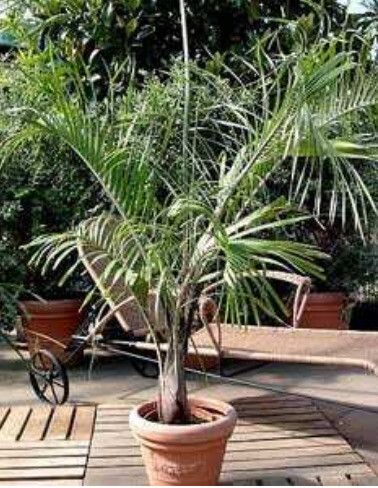
Propagating the Lipstick Palm: A Guide to Chambeyronia pyriformis
Introduction:
Chambeyronia pyriformis, commonly known as the Lipstick Palm, is a captivating species from New Caledonia, prized for its vibrant red, pear-shaped inflorescences that emerge from the crown and resemble a tube of lipstick. This relatively slow-growing palm adds a dramatic tropical flair to gardens, making it a highly sought-after plant among enthusiasts. However, its propagation presents unique challenges, making successful cultivation all the more rewarding. While several methods are theoretically possible, success rates vary significantly.
Seed Germination:
Seed germination for Chambeyronia pyriformis is possible but notoriously challenging. The seeds have a relatively short viability period, and germination rates are often low. Challenges include a hard seed coat which inhibits water uptake and potential fungal infections.
Challenges: Low germination rates, short seed viability, susceptibility to fungal diseases.
Practical Tips: Soaking seeds in warm water for 24-48 hours prior to sowing can help soften the seed coat. Sowing in a well-draining seed-starting mix that retains some moisture, in a warm and humid environment (ideally around 25-30°C) is essential. Providing bottom heat can further enhance germination. Stratification (cold treatment) has not been conclusively shown to improve germination rates in this species. Regular monitoring for fungal growth and timely application of a fungicide might be necessary.
Rewards: Genetic diversity obtained from seed-grown plants, potential for large-scale propagation with consistent success.
Cuttings:
Currently, there are no known reliable methods for propagation of Chambeyronia pyriformis from cuttings. The palm’s physiology does not lend itself well to this method.
Division:
Division of Chambeyronia pyriformis is not a practical propagation method. The palm does not produce readily separable offshoots or suckers.
Tissue Culture:
Tissue culture offers the most promising method for large-scale propagation of Chambeyronia pyriformis. This technique allows for the sterile multiplication of plantlets from a small amount of source material.
Challenges: Establishing a successful tissue culture protocol for this species requires specialized knowledge, a clean laboratory environment, and specific nutrient media. It involves significant initial investment in equipment and expertise.
Practical Tips: Finding a reputable professional laboratory specializing in palm tissue culture is crucial. Success depends heavily upon sterile techniques and the proper selection and maintenance of nutrient media tailored to the species’ needs.
Rewards: High multiplication rates, potential for large-scale production of uniform plants, and eradication of diseases.
Conclusion:
Propagating Chambeyronia pyriformis presents a unique set of obstacles, with seed germination proving difficult and cuttings and division being largely ineffective. Tissue culture offers the most reliable method for mass propagation, although it requires specialized expertise and resources. While the rewards of successfully cultivating this stunning palm are significant – boasting a plant with its unique beauty – the journey is undoubtedly challenging. The satisfaction derived from overcoming these obstacles and witnessing the emergence of a healthy Lipstick Palm from seed, or the successful establishment of a tissue culture protocol, makes the effort worthwhile. Persistence, careful attention to detail, and research will significantly increase your chances of enjoying the striking beauty of this remarkable plant in your own garden. For the average home gardener, sourcing plants from reputable nurseries is likely the most practical approach.