
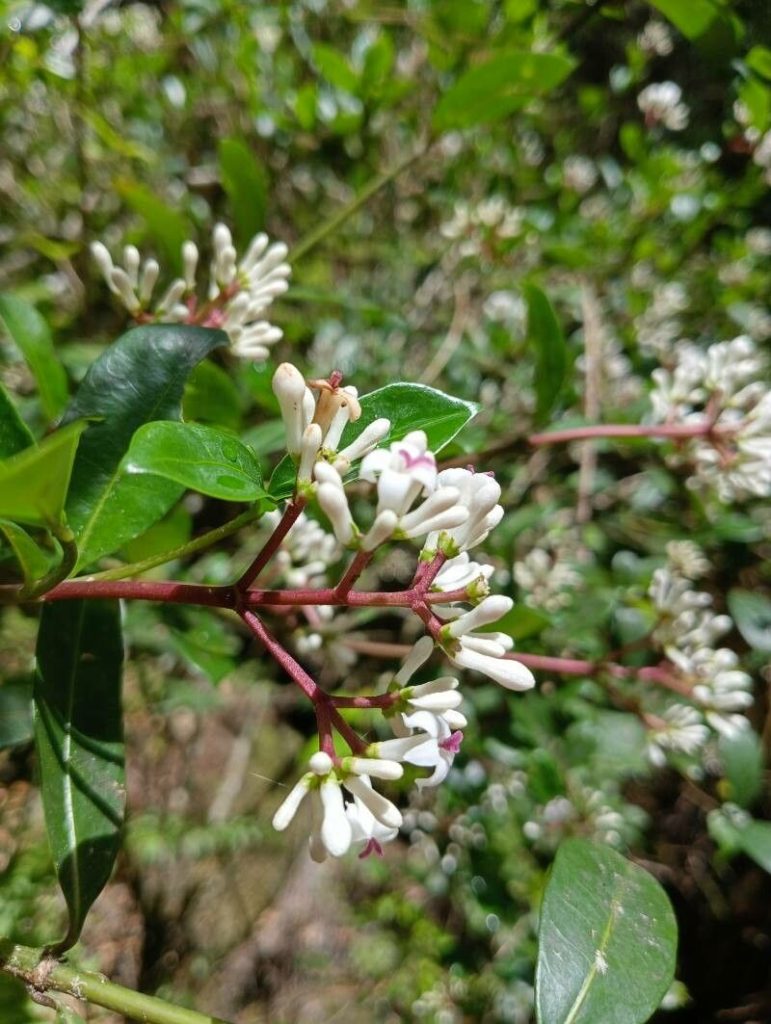
Propagating Chassalia perrieri: A Gardener’s Guide to a Rare Gem
Chassalia perrieri, sometimes referred to as the Madagascar Chassalia (though this common name is not widely used), is a captivating plant prized for its unique aesthetic qualities. This relatively rare species, native to Madagascar, boasts striking foliage and, in some varieties, vibrant blooms, making it a highly sought-after addition to specialized plant collections. Its limited availability, however, presents challenges for propagation, making successful cultivation a rewarding achievement for dedicated gardeners. Unique aspects of its propagation, often requiring specialized techniques, further add to its allure.
Seed Germination:
Currently, there are no known reliable methods for seed germination propagation of Chassalia perrieri. Limited information is available on the plant’s reproductive biology, and anecdotal evidence suggests low seed viability even under ideal conditions. Further research is needed to determine if specific pre-treatments or environmental conditions could improve germination rates.
Cuttings:
Cuttings offer a more promising approach to propagating Chassalia perrieri.
Challenges: The success rate of cuttings can be variable. The plant may be susceptible to rot if not provided with the ideal balance of humidity and drainage. Proper rooting hormone application is crucial.
Practical Tips: Semi-hardwood cuttings taken in late spring or early summer show the best results. Dip the cuttings in a rooting hormone solution before planting them in a well-draining, moist propagation mix (e.g., perlite and peat moss). Maintain high humidity using a propagation dome or plastic bag, ensuring adequate ventilation to prevent fungal growth. Bottom heat can also improve rooting success.
Rewards: Cuttings provide a relatively quick method for producing genetically identical clones of a desirable mother plant. This is particularly beneficial for preserving unique cultivars or characteristics.
Division:
Division is another potentially viable method, especially for larger, established plants.
Challenges: Chassalia perrieri‘s root system is largely unknown, making careful division crucial to avoid damaging the plant. Improper division can lead to the loss of both the parent plant and the divisions.
Practical Tips: Divide the plant only when it’s actively growing (spring or early summer). Ensure each division has a healthy portion of roots and stem. Plant the divisions in well-draining, fertile soil, ensuring they are not overcrowded.
Rewards: Division allows for a straightforward increase in the number of plants, maintaining the genetic characteristics of the original plant.
Tissue Culture:
Tissue culture offers a potential solution for large-scale propagation and overcoming challenges associated with other methods.
Challenges: Establishing a successful tissue culture protocol for Chassalia perrieri requires specialized expertise and laboratory facilities. This method is more expensive and technically demanding compared to cuttings or division.
Practical Tips: Aseptic techniques are paramount. Finding the ideal growth medium and hormone concentrations may require experimentation. An experienced tissue culture technician is essential for successful outcomes.
Rewards: Tissue culture offers the potential for mass propagation of Chassalia perrieri, making the plant potentially more accessible to gardeners. This method also allows for the production of disease-free plants.
Conclusion:
Propagating Chassalia perrieri presents various challenges, with cuttings and potentially division representing the most accessible (though not necessarily easy) methods for the home gardener. Seed germination and tissue culture require further research and specialized resources. The rewards, however, are significant. Success contributes meaningfully to the conservation efforts of this rare species, and more importantly, provides the immense satisfaction of nurturing a truly unique and beautiful plant from a cutting or division. The journey is demanding, but the sight of a thriving Chassalia perrieri grown from a successful propagation attempt is a testament to perseverance and horticultural skill. Don’t be discouraged by setbacks – experimentation, patience, and meticulous care will lead to success in cultivating this remarkable plant.