
Resurrecting Rarity: Propagating the Enigmatic Cheirolophus falcisectus
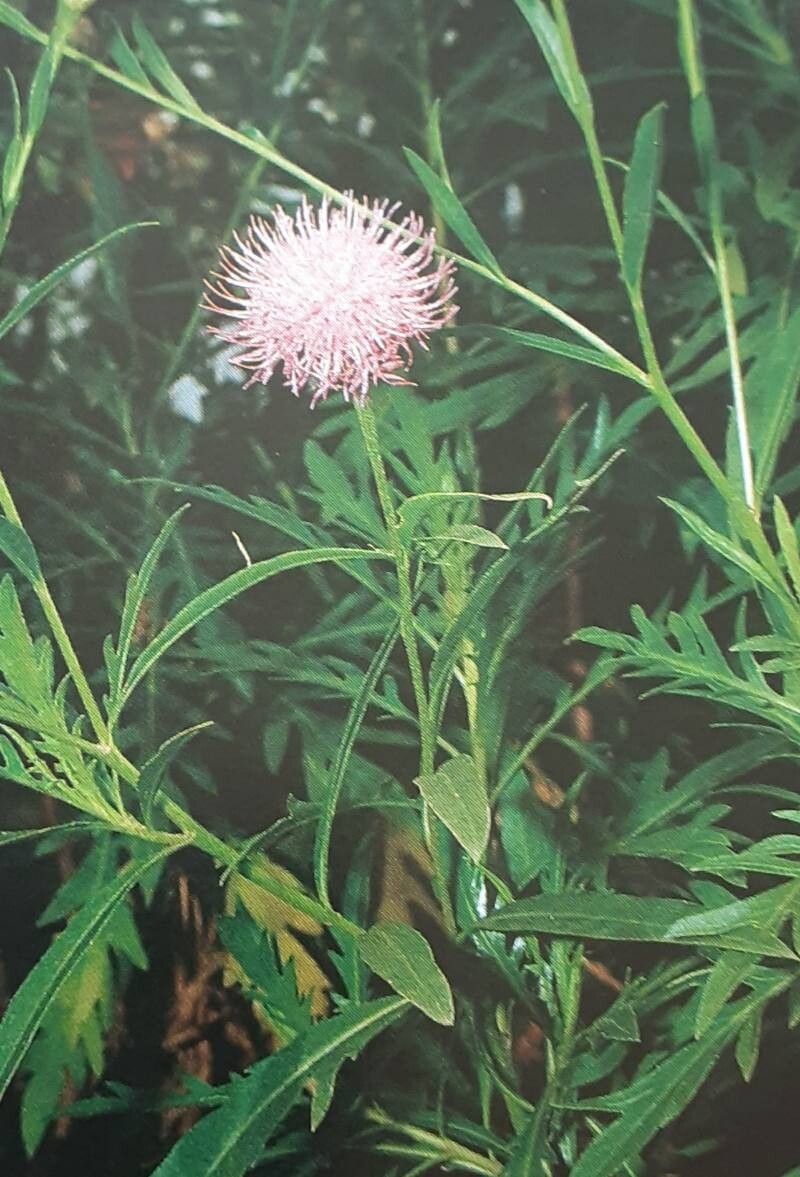
The world of plants is full of hidden treasures, and the Cheirolophus falcisectus, with its intriguing name and captivating beauty, is no exception. This rare Canary Island native, also known as the “Wilted Stalk Saw-wort,” is a sight to behold with its silvery foliage and magnificent thistle-like blooms.
Now, imagine having this botanical rarity grace your own garden. While challenging, propagating Cheirolophus falcisectus isn’t an impossible feat. This guide will equip you with the knowledge to successfully cultivate this fascinating plant and contribute to its conservation.
Understanding the Challenge:
Cheirolophus falcisectus is considered critically endangered in its natural habitat due to habitat loss and grazing pressure. This rarity extends to its cultivation, making sourcing seeds or cuttings difficult. However, if you’re lucky enough to obtain them, the satisfaction of successfully propagating this plant is immense.
Two Paths to Propagation:
1. From Seed: A Test of Patience
- Source: Reputable seed suppliers specializing in rare or endangered plants are your best bet. Be wary of generic marketplaces.
- Timing is Key: Sow seeds in late winter or early spring in a well-draining seed compost.
- Light and Warmth: Cheirolophus falcisectus seeds need light to germinate. Surface sow them and provide a warm environment (around 20-24°C).
- Patience is a Virtue: Germination can be erratic, taking anywhere from a few weeks to a few months. Don’t be disheartened by slow progress.
- Prick Out and Pot On: Once seedlings are large enough to handle, prick them out and pot them individually in well-draining compost.
2. From Cuttings: A Quicker Route (with a Catch)
- The Challenge: Cheirolophus falcisectus cuttings can be notoriously tricky to root, demanding meticulous care and attention.
- Timing: Early summer, when the plant is actively growing, offers the best chance of success.
- Methodical Approach:
- Select healthy, non-flowering shoots.
- Use a sharp, sterilized blade to take cuttings about 10-15 cm long.
- Remove lower leaves and dip the cut end in rooting hormone (optional but recommended).
- Plant the cuttings in a well-draining, slightly damp rooting mix.
- Provide humidity: Cover the cuttings with a plastic bag or use a propagator to maintain high humidity.
- Location, Location, Location: Place them in a well-lit area, out of direct sunlight.
- Patience is Still Key: Rooting can take several weeks.
Caring for Your Propagated Plants:
- Well-Draining Soil: Replicate their native Canary Island habitat with a well-draining, gritty soil mix.
- Sun Lovers: Place your Cheirolophus falcisectus in a sunny location for optimal growth and flowering.
- Water Wisely: Allow the soil to dry out slightly between waterings. They are drought-tolerant once established.
- Minimal Feeding: Fertilize sparingly during the growing season with a diluted, balanced fertilizer.
Propagating Cheirolophus falcisectus is a rewarding challenge for passionate plant enthusiasts. Though demanding patience and care, the successful cultivation of this rare species contributes to its conservation and fills your garden with unique, endangered beauty. So, why not embark on this botanical adventure and give a fighting chance to this captivating species?