
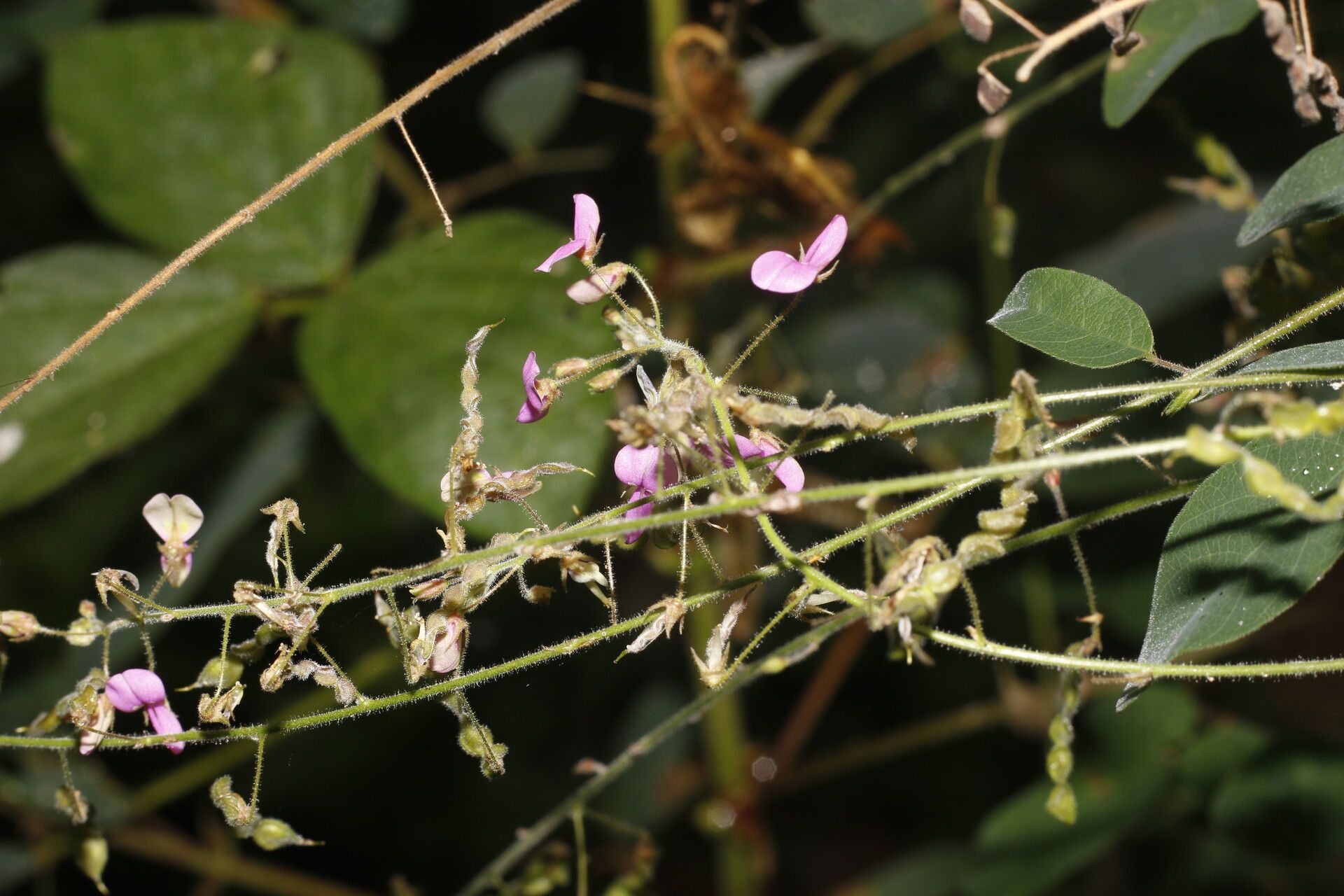
Unlocking the Secrets of Desmodium Procumbens Propagation: A Guide to Growing This Medicinal Marvel
Desmodium procumbens, also known as Spanish clover or pega-pega, isn’t your typical garden variety plant. This unassuming herb, native to tropical regions, boasts a rich history of medicinal use. From treating snakebites to alleviating respiratory ailments, its potential benefits have piqued the curiosity of traditional healers and modern researchers alike.
But what if you want to cultivate this intriguing herb at home? While not commonly found in nurseries, propagating Desmodium procumbens is surprisingly achievable, even for novice gardeners. Let’s delve into two effective methods for multiplying your Desmodium stock.
Method 1: Seed Propagation – A Test of Patience and Precision
Desmodium procumbens produces small, brown seeds nestled within flat pods. While these seeds offer a rewarding journey from seed to plant, they demand some extra care and attention:
Steps for Successful Seed Propagation:
- Seed Collection: Harvest ripe seed pods from a healthy Desmodium plant. Look for pods that have turned brown and dry.
- Seed Scarification: Desmodium seeds have a hard outer coating that inhibits germination. Gently rub the seeds between two pieces of sandpaper or nick them slightly with a nail clipper to break this dormancy.
- Pre-soaking: Soak the scarified seeds in warm water for 24 hours to further enhance germination rates.
- Sowing: Fill seed trays or pots with a well-draining seed starting mix. Sow the seeds about 1/4 inch deep and lightly cover them with soil.
- Moisture and Warmth: Keep the soil consistently moist but not waterlogged. Place the seed trays in a warm location with temperatures around 70-75°F (21-24°C).
- Patience is Key: Germination can be slow and erratic, ranging from a few weeks to a couple of months. Be patient and continue providing optimal moisture and warmth.
Method 2: Cutting Propagation – A Faster and More Reliable Approach
For those seeking quicker results, cuttings offer a faster and more reliable way to propagate Desmodium procumbens. This method utilizes the plant’s ability to regenerate roots from stem segments.
Steps for Successful Cutting Propagation:
- Selecting Cuttings: Choose healthy, disease-free stems from a mature Desmodium plant. Ideally, select stems that are about 4-6 inches long and have several nodes (small bumps where leaves emerge).
- Preparing the Cuttings: Using a sharp, sterilized knife or pruning shears, make clean cuts just below a node. Remove the lower leaves from the cutting, leaving 2-3 leaves at the top.
- Rooting Hormone (Optional): While not mandatory, dipping the cut end in rooting hormone powder can stimulate faster and more robust root development.
- Planting the Cuttings: Fill pots or trays with a well-draining potting mix. Make a small hole in the mix and gently insert the cut end of the stem. Firmly press the soil around the cutting.
- Moisture and Humidity: Keep the potting mix consistently moist and provide high humidity. You can achieve this by covering the cuttings loosely with a plastic bag or placing them in a humidity dome.
- Transplanting: Within a few weeks, you should notice new growth, indicating successful rooting. Once the cuttings have developed a strong root system, transplant them into individual pots or directly into your garden.
Nurturing Your Desmodium Procumbens
Whether you choose seed or cutting propagation, Desmodium procumbens thrives in well-draining soil and full sun to partial shade. Water regularly, allowing the soil to dry slightly between waterings. This resilient herb is relatively pest-free and can tolerate a wide range of growing conditions.
By following these propagation techniques, you can cultivate your own supply of this fascinating medicinal herb, unlocking the potential health benefits it holds and contributing to the preservation of this valuable plant.