
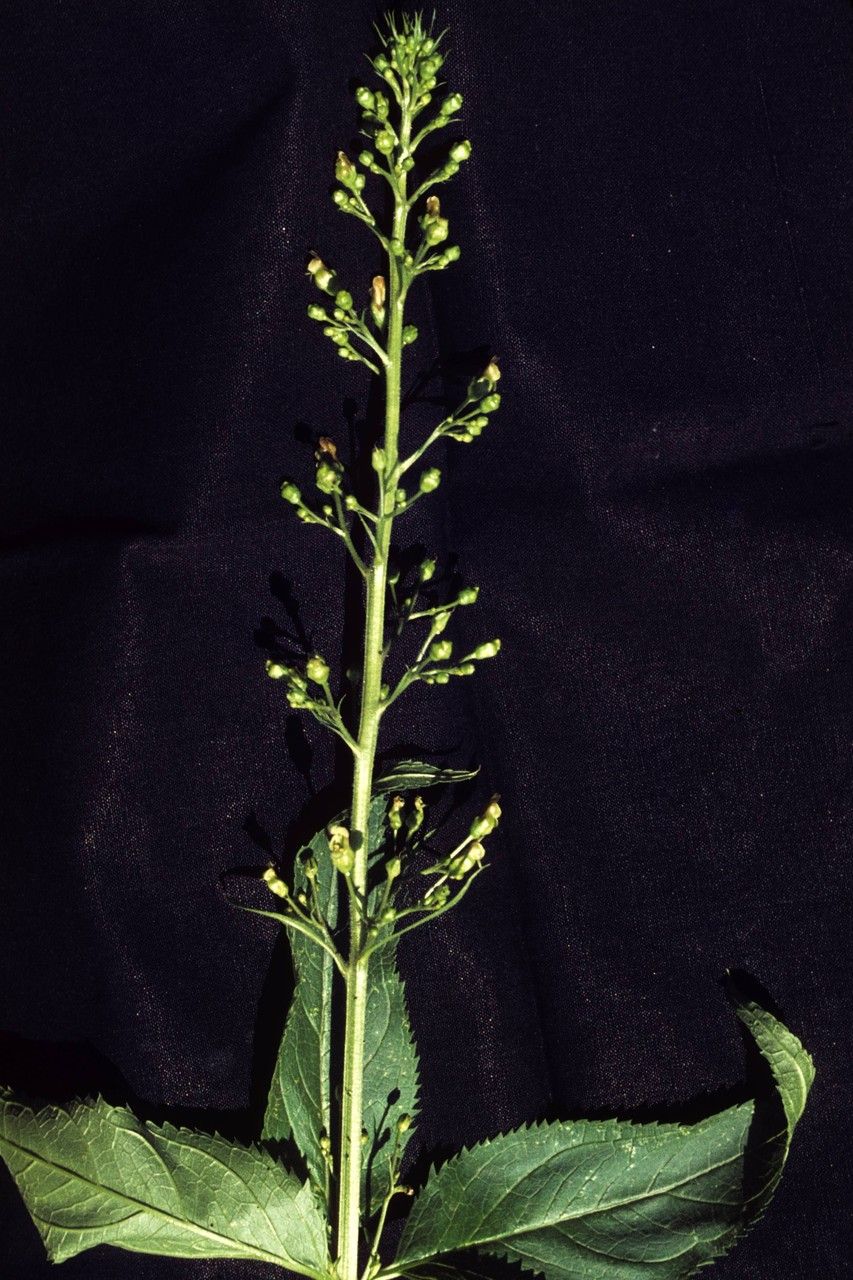
Unveiling the Secrets of Scrophularia montana: A Propagation Guide
Scrophularia montana, the captivating mountain figwort, is a sight to behold in its natural habitat. Its majestic spikes of reddish-brown flowers and lush foliage can transform any garden into a vibrant haven. Intrigued by its beauty? Then why not try your hand at propagating this stunning plant?
While not as commonly propagated as some garden favorites, Scrophularia montana offers surprisingly accessible options for even beginner gardeners. Let’s explore the techniques that will allow you to welcome more of this lovely perennial into your life.
Method 1: Seed Propagation
For those who enjoy witnessing the miracle of life firsthand, seed propagation is a rewarding experience.
- Timing is Key: Start your seeds indoors approximately 6-8 weeks before the last expected frost in your region.
- Sowing the Seeds: Use a well-draining seed starting mix and sprinkle the seeds on the surface. Lightly press them down, but avoid burying them too deep; light is crucial for germination.
- Patience is a Virtue: Keep the soil consistently moist and provide a warm environment (around 70°F). Be patient, as germination can take anywhere from 2 to 4 weeks.
- Transplanting Time: Once the seedlings develop a couple of true leaves, transplant them into individual pots and gradually acclimate them to outdoor conditions before planting them in the garden after the last frost.
Method 2: Division
If you already have an established Scrophularia montana, division is a fantastic method to multiply your stock.
- The Ideal Time: Early spring or fall, when the plant is dormant or just beginning to show new growth, offers the best chance of success.
- Divide and Conquer: Carefully dig up the entire plant and gently tease apart the roots to separate them into smaller clumps. Each division should have a healthy amount of roots and shoots.
- New Beginnings: Replant the divisions at the same depth they were originally growing and water thoroughly.
Method 3: Cuttings
For the more adventurous gardeners, propagating from cuttings allows for rapid increase of your Scrophularia montana collection.
- Timing is Everything: Take your cuttings in the early morning during spring or early summer when the plant is actively growing.
- Choosing the Right Cuttings: Select healthy, non-flowering stems and make a clean cut just below a leaf node.
- Creating the Perfect Environment: Remove the lower leaves and dip the cut end in rooting hormone (optional but recommended). Plant the cutting in a pot filled with a well-draining rooting mix.
- Keeping Things Humid: Create a mini-greenhouse effect by covering the pot with a plastic bag or using a propagation dome. This helps retain moisture and promotes root development.
- Patience, Young Padawan: Keep the rooting mix consistently moist and place the cutting in a warm, bright location, out of direct sunlight. Rooting can take several weeks.
Caring for your new Scrophularia montana:
Regardless of the propagation method you choose, providing the right care for your new plants is essential for their success.
- Sunlight Requirements: Scrophularia montana thrives in partial shade but can tolerate full sun in cooler climates.
- Well-Drained Soil: Ensure the planting site has well-drained soil to prevent root rot.
- Watering Needs: Water regularly, especially during dry spells, but avoid overwatering.
- Prolonging the Beauty: Deadhead spent flowers regularly to encourage further blooming.
Propagating Scrophularia montana might seem daunting at first, but with a little patience and practice, you’ll be rewarded with an abundance of these mesmerizing plants. So why wait? Embark on this rewarding journey and create a captivating display of mountain figwort in your very own garden.