
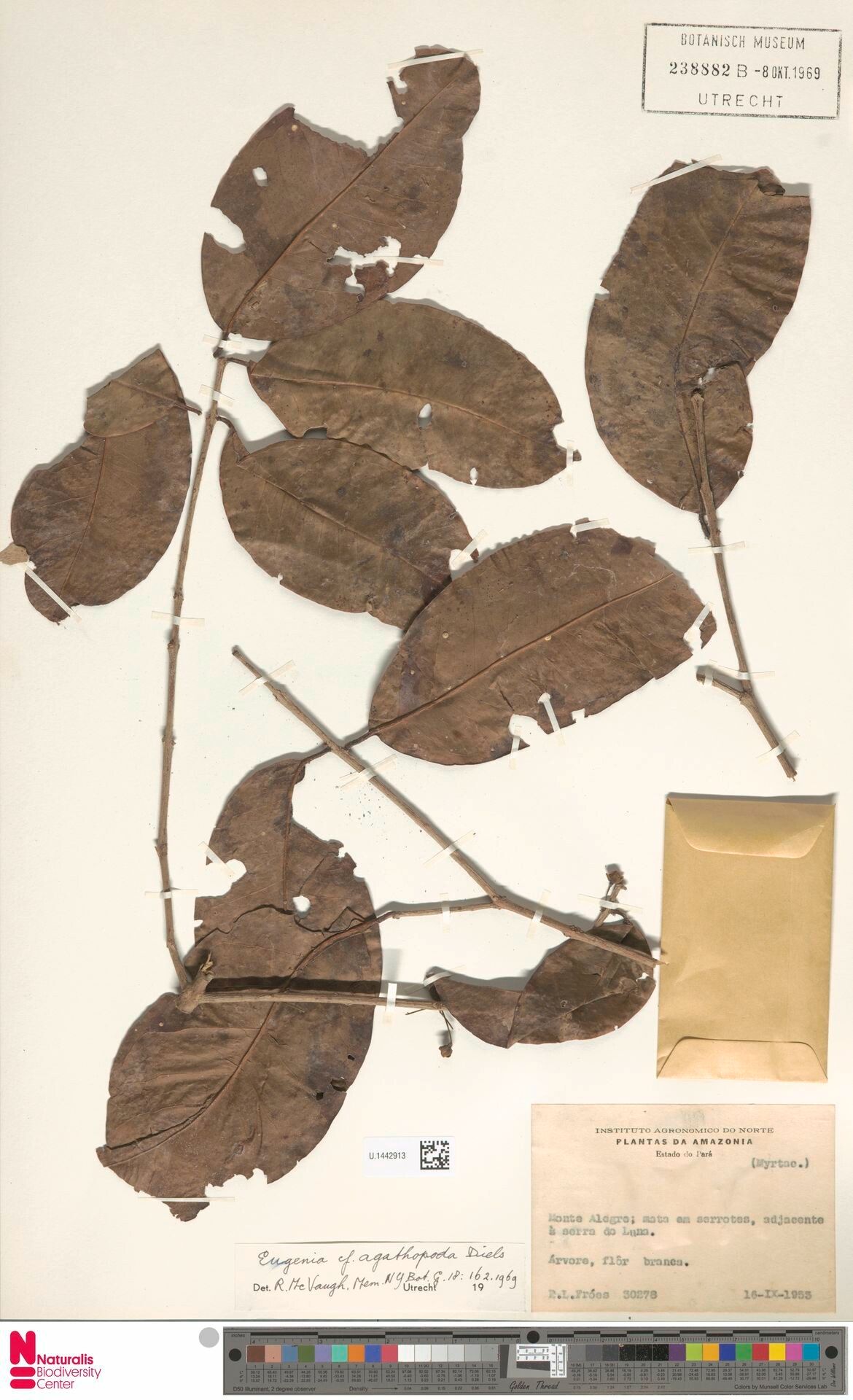
Unveiling the Mystery: Successfully Propagating Eugenia agathopoda
The Eugenia agathopoda, with its glossy leaves and vibrant reddish-pink new growth, is a captivating addition to any garden. This rainforest native, while relatively low-maintenance once established, can feel like a coveted treasure, especially for those eager to expand their collection. But don’t let the air of exclusivity fool you – propagating Eugenia agathopoda, though considered an intermediate skill level task, is achievable with the right knowledge and a touch of patience.
Two Paths to Propagation
While growing from seed might seem the most straightforward route, Eugenia agathopoda seeds are notoriously tricky to find and germinate. For this reason, cuttings reign supreme as the most popular and successful propagation method.
1. The Art of Propagation from Cuttings:
Timing is Key: Spring and early summer, when the plant is actively growing, offer the highest success rates.
Selecting the Perfect Cuttings: Look for healthy, semi-hardwood stems that are neither too young and green nor too old and woody. Aim for cuttings around 4-6 inches long, with at least 2-3 nodes (the points where leaves emerge).
Preparing the Cuttings:
- Use sterilized pruning shears or a sharp knife for clean cuts just below a node.
- Remove the lower leaves, leaving only 2-3 leaves at the top.
- To encourage rooting, you can dip the cut end in rooting hormone powder, though it’s not strictly necessary.
Planting the Cuttings:
- A well-draining potting mix is essential. A mix of peat moss, perlite, and vermiculite works well.
- Moisten the mix and create holes for each cutting.
- Plant the cuttings, burying at least one node.
- Gently firm the soil around the cuttings.
Creating a Humid Environment:
- High humidity is crucial for successful rooting.
- Cover the pot with a clear plastic bag or use a humidity dome to create a mini-greenhouse.
- Place the pot in a warm, bright location but out of direct sunlight.
Patience is a Virtue:
- Rooting can take anywhere from 6 to 12 weeks.
- Keep the soil consistently moist but not soggy.
- Avoid disturbing the cuttings during this crucial time.
- Signs of Success: New growth indicates successful rooting. You can gently tug on the cutting – resistance means roots have developed! Gradually acclimate rooted cuttings to the outside environment before transplanting them into individual pots or your garden.
2. The Elusive Seed Route:
- Source Fresh Seeds: Finding viable seeds can be challenging. Your best bet is a reputable online nursery specializing in rare plants.
- Mimic Nature: Sow seeds in a well-draining seed-starting mix, barely covering them. Keep them consistently moist and warm. Germination can be erratic and slow.
Tips for Success:
- Sterilization is Key: Always sterilize your cutting tools and pots to prevent fungal diseases.
- Light is Right: Provide bright, indirect light throughout the propagation process.
- Warmth is Welcomed: Eugenia agathopoda thrives in warmth. Maintain a consistent temperature around 70-75°F.
Propagating your Eugenia agathopoda might seem daunting at first, but with the right approach, you’ll be rewarded with more of these alluring plants to grace your indoor or outdoor space. So, gather your tools, embrace the journey of propagation, and watch your green thumb work its magic!