
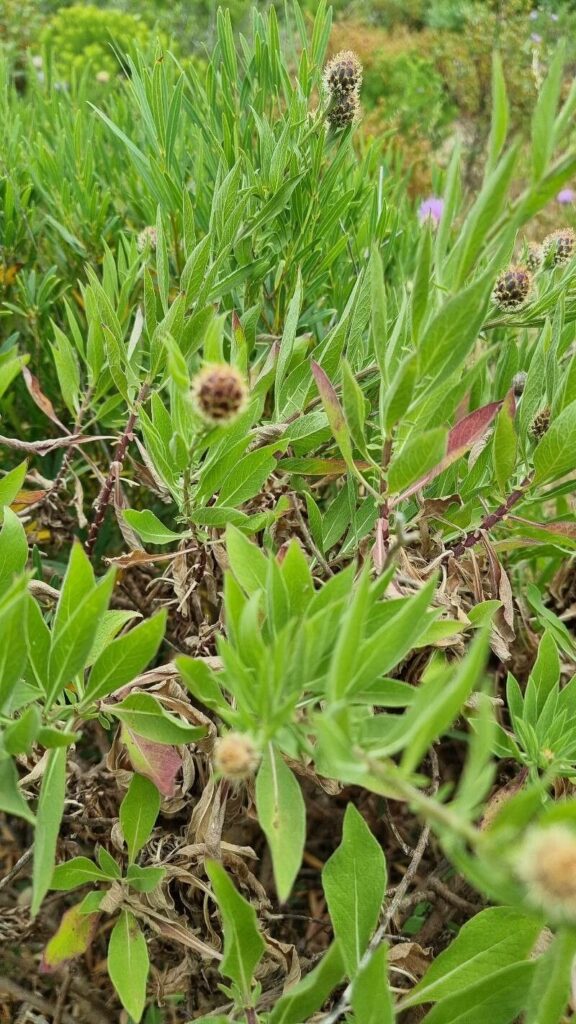
Unveiling the Secrets: Propagating the Evergreen Beauty, Cheirolophus sempervirens
The Cheirolophus sempervirens, with its striking thistle-like blooms and evergreen foliage, is a sight to behold. Native to the Canary Islands, this captivating shrub brings a touch of exotic charm to gardens across mild-climate regions. But have you ever considered expanding its presence in your own backyard? Propagating Cheirolophus sempervirens might seem like a task for seasoned gardeners, yet, armed with the right knowledge, even beginners can find success.
Embracing the Options: Seeds vs. Cuttings
Cheirolophus sempervirens graciously offers two main avenues for propagation: seeds and cuttings. Each method comes with its nuances and success rates, so understanding both is key to choosing the approach that best suits your gardening style:
1. The Seed Route: A Journey of Patience and Reward
Propagating Cheirolophus sempervirens from seed is a rewarding endeavor, offering a sense of satisfaction as you witness the entire life cycle unfold. However, it necessitates patience, as the journey from tiny seed to mature plant is a gradual one.
- Sourcing Your Seeds: Reputable online retailers and specialist nurseries dedicated to Mediterranean or Canary Island flora are your best bet for sourcing viable Cheirolophus sempervirens seeds.
- Sowing the Seeds: Patience is key with Cheirolophus sempervirens seeds. Sow them in a well-draining seed-starting mix during spring. Maintain a consistent temperature of around 20°C (68°F) and keep the soil consistently moist but not waterlogged.
- Germination: Germination can be slow and sporadic, taking anywhere from a few weeks to a couple of months. Don’t lose heart! Once seedlings emerge, provide them with ample light (avoiding direct sunlight) and continue to maintain optimal moisture levels.
2. The Cutting Edge: A Faster Path to Success
For a more expedited approach, propagating from cuttings offers a higher success rate and quicker results. This method involves taking a section of healthy stem and encouraging it to develop roots.
- Taking the Cuttings: In late spring or early summer, select healthy, non-flowering stems from your Cheirolophus sempervirens. Using clean, sharp secateurs, cut a 4-6 inch section just below a leaf node. Remove the lower leaves, leaving only a few at the top.
- Encouraging Root Development: Dip the cut end of the stem in rooting hormone to stimulate root growth. Plant the cuttings in a pot filled with a well-draining, slightly acidic potting mix.
- Creating a Conducive Environment: Cover the pot with a plastic bag or use a propagator to create a warm, humid environment. Ensure adequate ventilation to prevent fungal growth. Keep the soil consistently moist but not soggy.
- Transplanting: With consistent care, roots should develop within 4-6 weeks. Once the roots are well-established, you can transplant your new Cheirolophus sempervirens plant into individual pots or directly into your garden.
Nurturing Your Legacy: Caring for Young Cheirolophus sempervirens
Regardless of the propagation method you choose, young Cheirolophus sempervirens plants require attentive care to thrive:
- Sunlight: Provide your plants with at least 6 hours of sunlight per day. While they appreciate some shade during the hottest part of the day, adequate sunlight is crucial for vibrant flowering.
- Water: These drought-tolerant beauties prefer well-draining soil and infrequent watering. Allow the soil to dry out slightly between waterings, but avoid letting it become bone dry.
- Soil: A slightly acidic, well-draining soil mix is essential. Incorporating perlite or grit into the soil can improve drainage.
Propagating your own Cheirolophus sempervirens is a rewarding experience for gardeners of all levels. Whether you choose the patience-testing seed route or the more immediate gratification of cuttings, the joy of nurturing these captivating plants from their earliest stages is a treasure in itself. So, why not embark on this horticultural adventure and introduce more of this evergreen splendor to your own corner of the world?