
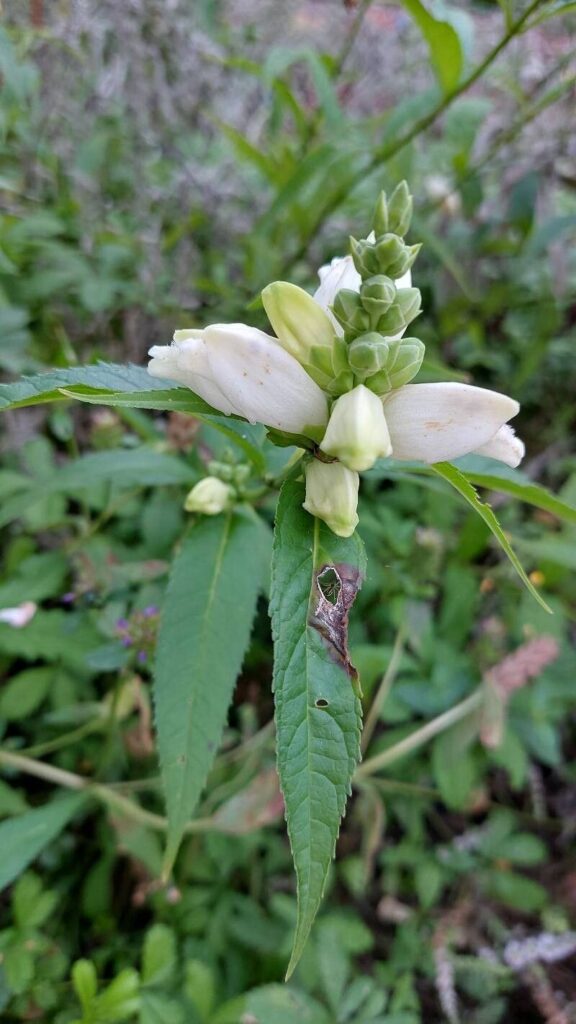
From One to Many: Propagating Your Chelone Glabra (Turtlehead) Like a Pro
Do you have a stunning Chelone glabra, also known as Turtlehead, gracing your garden? But wish you could share its beauty with the world? Well, you’re in luck! This hardy perennial is easily propagated, allowing you to expand your garden or even share its charm with fellow plant enthusiasts.
Choosing the Right Method:
Like most plants, Chelone glabra can be propagated in a few ways. Let’s delve into the three most popular options:
- Seed Propagation: This method offers a chance to start fresh and grow your plants from scratch. Simply collect seeds from the mature flower heads, allowing them to dry before sowing them in a seed tray filled with seed-starting mix. Maintain a moist yet well-drained environment and, in a few weeks, you should see tiny seedlings emerging. Remember, seedlings prefer a partial shade environment for optimal growth.
- Division: If you’re looking for a quicker result, consider division. This technique involves carefully separating established plants into individual sections, each with its own root system. You can do this in spring or fall, ensuring each division has healthy roots and foliage. The newly divided plants require a bit more care, specifically well-drained soil and gentle watering, to adapt to their new environment.
- Cuttings: This method involves taking “cuttings” from the healthy stems of your existing Turtlehead. Simply snip off a 4-5 inch portion, ensuring you have at least two nodes (the raised bumps on the stem). Remove the lower leaves and dip the cut end in rooting hormone. Afterward, insert the cutting into a pot filled with rooting mix and maintain a consistently moist environment. Be patient, it might take a few weeks to a couple of months for roots to develop.
Tips and Tricks for Success:
No matter which method you choose, there are a few crucial tips to ensure your Chelone glabra propagation journey is a success:
- Choosing the Right Time: Both seed and division propagation are best done in spring or fall, while cuttings can be taken throughout the growing season.
- Providing the Right Environment: All propagation methods rely on a consistently moist, well-draining soil mix and appropriate lighting.
- Be Patient: It takes time for new plants to establish themselves, so be patient and provide the right conditions for optimal growth.
Advantages of Propagating Chelone Glabra:
- Cost-Effective: Instead of buying new plants, you can easily create more from your existing Turtlehead.
- Personalized Garden: Propagating allows you to maintain the exact variety of Turtlehead that you cherish, ensuring a consistent look in your landscape.
- Sharing the Beauty: Imagine giving a friend or family member a piece of your garden to enjoy. Propagating creates a lovely way to share your plant passion.
Beyond the Basic:
While the methods outlined above are tried and true, there are more specialized propagation techniques readily available online. If you’re feeling adventurous, consider experimenting with air layering or tissue culture for a unique approach to propagating your Turtlehead.
Conclusion:
Whether you’re a novice gardener or a seasoned plant enthusiast, propagating your Chelone glabra is a rewarding experience. From the joy of seeing new life emerge from your favorite plant to the satisfaction of sharing its beauty with others, the journey of propagation is truly captivating. So, grab your tools and let the fun begin!