
Propagating Chloranthus spicatus: The Challenges and Rewards of Cultivating the Sweet-Scented Chloranthus
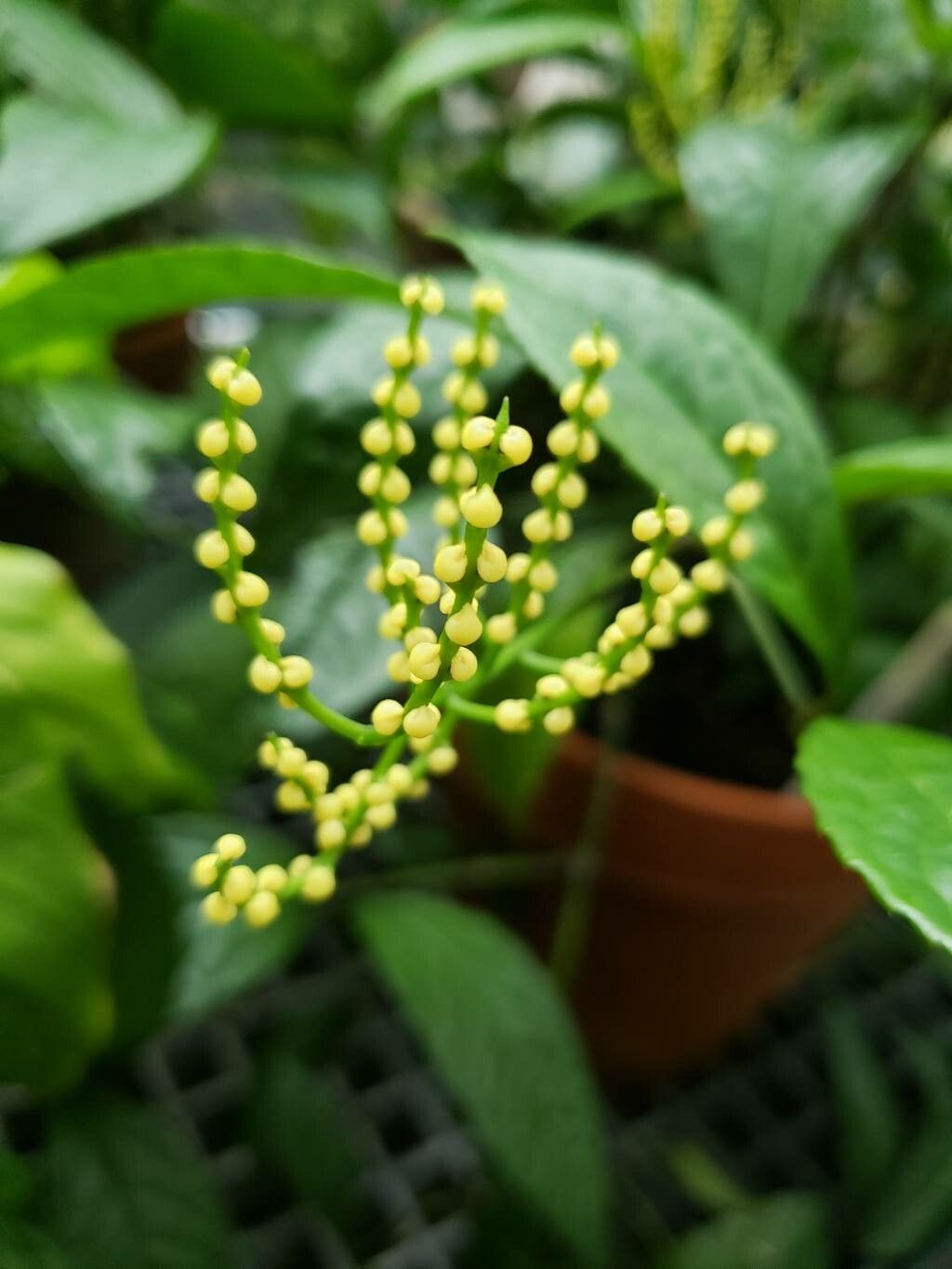
Chloranthus spicatus, commonly known as sweet-leaf or fragrant chloranthus, is a charming, low-growing perennial prized for its delicately fragrant, greenish-white flower spikes that appear in late spring. Its attractive foliage and understated elegance make it a sought-after addition to shade gardens, woodland borders, and even container plantings. While its beauty is readily appreciated, successfully propagating this plant presents several unique challenges, making the eventual cultivation all the more rewarding.
Seed Germination:
Currently, there are no known reliable methods for seed germination propagation of Chloranthus spicatus. While the plant does produce seeds, their germination rate is notoriously low, and successful propagation via this method remains elusive even for experienced horticulturalists. Further research is needed to determine optimal germination conditions, including potential stratification requirements or specific hormonal treatments.
Cuttings:
Cuttings present a more viable propagation method for Chloranthus spicatus. However, it’s not a straightforward process.
Challenges: Rooting success is highly dependent on several factors including the timing of the cuttings (preferably semi-hardwood cuttings taken in late spring or early summer), the use of rooting hormone, and maintaining high humidity and consistent warmth. The cuttings are prone to fungal diseases if not carefully managed in a sterile environment.
Practical Tips: Take 4-6 inch cuttings from non-flowering stems, removing lower leaves. Dip the cut ends in rooting hormone powder before inserting them into a well-drained propagating mix (e.g., a mix of perlite and peat moss). Cover the cuttings with a clear plastic dome or propagator to maintain high humidity. Place in a warm, shaded location and regularly mist the cuttings.
Rewards: Successful propagation through cuttings provides a relatively quick method to increase the number of plants, preserving the genetic characteristics of the parent plant.
Division:
Division is arguably the most reliable method for propagating Chloranthus spicatus.
Challenges: Division is best carried out in spring or autumn when the plant is actively growing or becoming dormant. Care must be taken to avoid damaging the delicate roots. Each division must contain sufficient root mass and healthy growth points to ensure survival.
Practical Tips: Gently lift the entire plant from the ground. Carefully separate the root ball into smaller sections, each with several stems and an adequate root system. Replant the divisions immediately, ensuring they are planted at the same depth as the original plant. Water well after planting.
Rewards: Division offers a straightforward method for quickly increasing the number of plants, resulting in a larger, fuller display in the garden. It is also relatively low-risk in terms of plant loss when done correctly.
Tissue Culture:
Tissue culture offers the potential for large-scale propagation of Chloranthus spicatus, overcoming the limitations of other methods.
Challenges: This method requires specialized equipment, sterile lab conditions, and considerable expertise in plant tissue culture techniques. It can be costly and time-consuming.
Practical Tips: This is best left to specialized nurseries or research facilities with the necessary equipment and expertise. Protocols for in-vitro propagation of Chloranthus spicatus need to be established.
Rewards: Tissue culture provides a high success rate for propagating large numbers of plants that are genetically identical to the parent plant and free from diseases.
Conclusion:
Propagating Chloranthus spicatus presents unique challenges, varying significantly across different methods. While seed germination remains unreliable, cuttings and division offer viable options for the home gardener, with division proving the most consistent method. Tissue culture presents a solution for mass propagation but demands specialized skills and resources. Despite the difficulties, the fragrant blooms and the satisfaction of successfully cultivating this delicate plant from a cutting or division provide a unique reward for dedicated gardeners. Remember patience and persistence are key to success, and don’t be discouraged by initial setbacks – the sweet scent of your successfully propagated Chloranthus spicatus will make the effort worthwhile.