
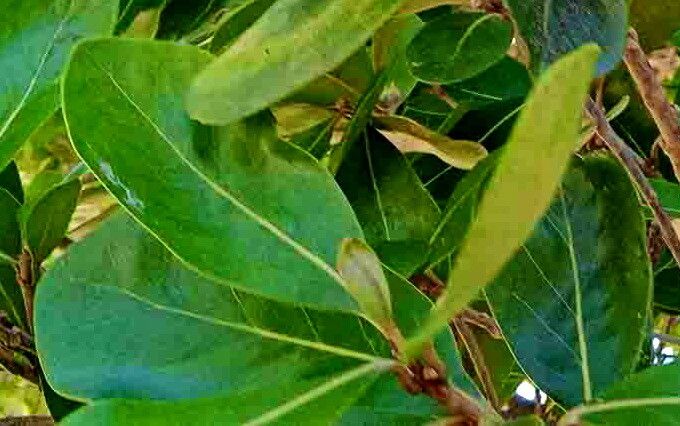
Propagating Planchonella cinerea: A Gardener’s Guide to the Native Olive
Planchonella cinerea, commonly known as the Native Olive (although unrelated to the true olive), is a captivating rainforest tree prized for its attractive foliage, fragrant flowers, and edible fruits. This slow-growing species, with its glossy, dark green leaves and striking form, has gained popularity amongst gardeners seeking unique and visually pleasing additions to their landscapes. However, the propagation of Planchonella cinerea presents specific challenges, making success a rewarding accomplishment.
Seed Germination:
Currently, there are no known reliable methods for seed germination propagation of Planchonella cinerea. While seeds may be produced, their viability and germination rates are reportedly extremely low, making this method impractical for most growers. Further research is needed to identify suitable pre-treatments or germination conditions that may improve success rates.
Cuttings:
Cuttings offer a more promising avenue for propagating Planchonella cinerea. This method, however, presents its own set of challenges.
Challenges: The success of cutting propagation hinges on several factors including the timing (ideally during actively growing periods), the type of cutting (semi-hardwood cuttings are often recommended), and the provision of optimal rooting conditions, including humidity and warmth. Root rot is a significant threat if the cuttings are not kept in well-draining medium.
Tips: Take semi-hardwood cuttings from healthy, actively growing stems, ensuring each cutting has several leaves. Treat the cut ends with a rooting hormone to stimulate root development. Plant the cuttings in a well-draining mix, such as perlite and peat moss, maintain high humidity (e.g., using a propagation dome or plastic bag), and provide warm temperatures (20-25°C).
Rewards: Successful propagation via cuttings offers a faster route to a mature plant compared to other methods. It maintains the genetic characteristics of the parent plant, allowing for the replication of desirable traits.
Division:
Division is not a viable propagation method for Planchonella cinerea due to its tree-like nature and single-stemmed structure during its early growth phases. It lacks the rhizomatous or clumping growth habit necessary for successful division.
Tissue Culture:
Tissue culture holds significant potential for propagating Planchonella cinerea.
Challenges: Establishing aseptic techniques and finding suitable growth media are crucial to successful tissue culture. This method demands specialized knowledge, equipment, and laboratory facilities, making it less accessible to the average hobbyist. Developing protocols specifically for Planchonella cinerea may also require significant experimentation.
Tips: Experts in plant tissue culture should be consulted for guidance on media composition, sterilization protocols, and environmental control.
Rewards: Tissue culture offers the possibility of mass propagation, generating a large number of genetically identical plants from a small amount of source material. This method also allows for the eradication of diseases before propagation.
Conclusion:
Propagating Planchonella cinerea presents a unique horticultural challenge. While seed germination remains largely unsuccessful currently, cuttings offer a more practical approach for dedicated gardeners. Tissue culture presents the best opportunity for large-scale propagation, but requires specialized expertise and resources. The relatively low success rates across all methods highlight the importance of patience and persistence. However, overcoming these challenges brings a profound sense of accomplishment; the successful cultivation of this beautiful native tree is a testament to dedication and a rewarding experience for any plant enthusiast. For aspiring propagators, starting with cuttings and supplementing with research on ideal conditions for this species is recommended to increase the chances of success.