
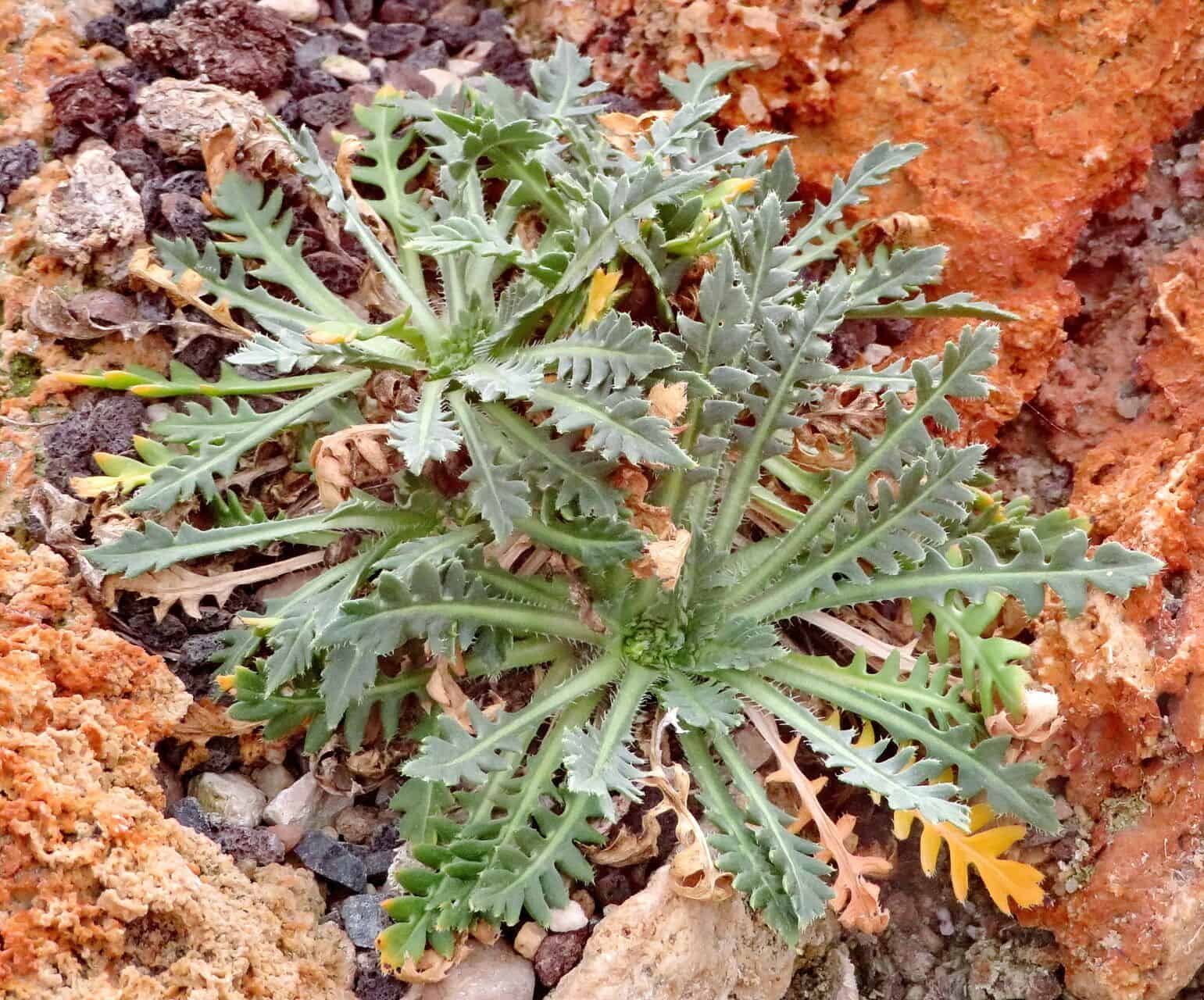
Unlocking the Secrets of Growing Chorispora Macropoda: A Propagation Guide
Chorispora macropoda, also known as purple mustard or crossflower, might not be as familiar as roses or sunflowers, but this charming plant deserves a spot in your garden. With its delicate purple blooms and intriguing seed pods, Chorispora macropoda brings a unique touch to any landscape.
Ready to welcome this beauty to your garden? Let’s unravel the secrets of propagating Chorispora macropoda and help you cultivate a flourishing patch.
Two Paths to Propagation:
Propagating Chorispora macropoda primarily involves two methods:
Seeds: This is the most common and straightforward method.
- Cuttings: While less common, taking cuttings can be successful with the right approach.
Method 1: Sowing Seeds of Success
- Timing is Key: The ideal time to sow Chorispora macropoda seeds is in early spring or late fall. These periods provide the cool, moist conditions that encourage optimal germination.
- Direct Sowing or Indoors? You can directly sow seeds into prepared garden beds or start them indoors 4-6 weeks before the last frost. Direct sowing offers convenience, while starting indoors allows for earlier blooms.
- Creating the Perfect Seedbed: Chorispora macropoda prefers well-drained soil with a slightly acidic to neutral pH. Work organic matter into the soil to improve drainage and fertility.
- Sowing Depth: Scatter seeds evenly across the soil surface and lightly press them in. Remember, these seeds need light to germinate, so avoid burying them too deep.
- Patience is a Virtue: Germination usually occurs within 1-3 weeks, depending on temperature and moisture levels. Keep the soil consistently moist but not waterlogged.
Method 2: The Art of Taking Cuttings
- Timing is Crucial: For best results, take cuttings from healthy, non-flowering stems in late spring or early summer.
- Selecting the Right Cuttings: Choose stems that are about 4-6 inches long and have several sets of leaves.
- Proper Preparation: Remove the lower leaves from the cutting, leaving only the top few pairs.
- Hormone Help: Dipping the cut end in rooting hormone powder can significantly increase the success rate of this method.
- Planting the Cuttings: Insert the prepared cuttings into a pot filled with a well-draining potting mix.
- Creating a Humid Environment: Cover the pot with a plastic bag or humidity dome to retain moisture and promote root development.
- Patience and Observation: Keep the cuttings in a warm, brightly lit area. New growth will indicate successful rooting, usually within a few weeks.
Caring for Your Chorispora Macropoda
- Watering: These plants prefer consistently moist soil but are susceptible to root rot if overwatered. Water deeply when the soil is dry to the touch.
- Sunlight: Choose a location that receives full sun to partial shade.
- Fertilizing: While not heavy feeders, a light application of balanced fertilizer in the spring can promote healthy growth and blooming.
- Deadheading: Regularly removing spent flowers will encourage more blooms and prevent self-seeding if desired.
With a little care and attention, your Chorispora macropoda will reward you with an abundance of charming purple blooms, adding a touch of whimsical beauty to your garden.