
Taming the Blue Mustard: A Guide to Propagating Chorispora tenella
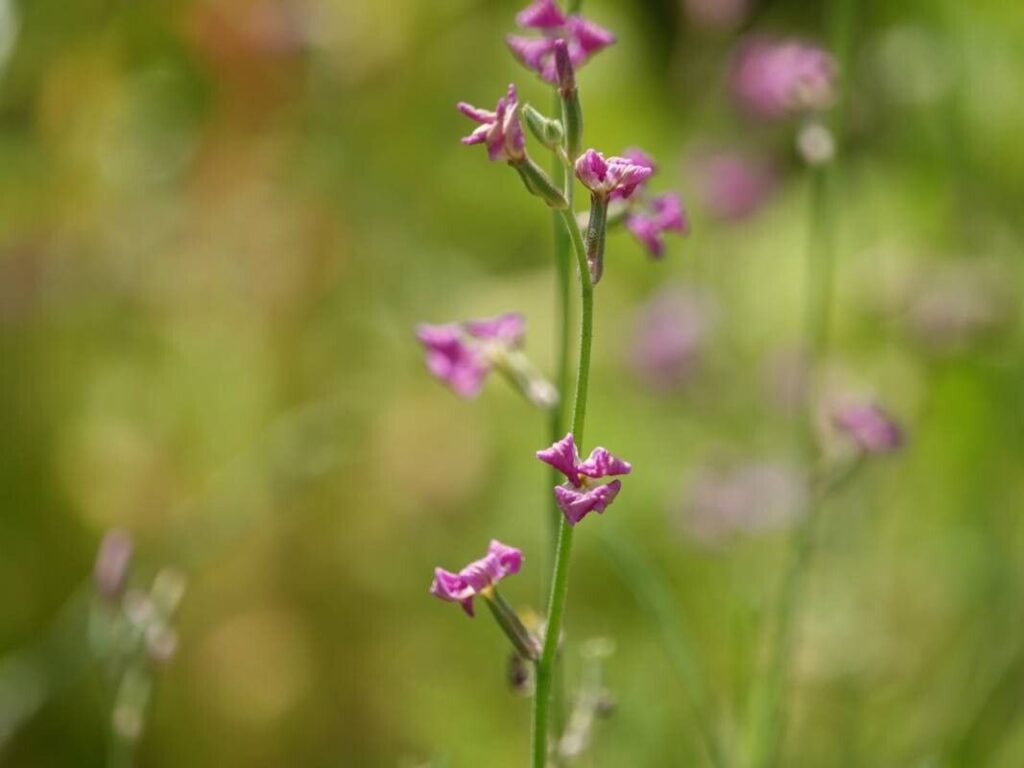
Chorispora tenella, more commonly known as blue mustard or musk mustard, might sound like a condiment, but don’t let that fool you! This hardy annual, native to Eurasia, is a surprisingly beautiful wildflower boasting delicate, four-petaled blooms in shades ranging from pale lavender to deep violet. While considered a weed in some agricultural settings, blue mustard’s resilience, rapid growth, and charming appearance make it a unique and low-maintenance addition to wildflower meadows or even a casual garden setting.
If you’re intrigued and want to introduce this touch of wild beauty to your own outdoor space, propagating Chorispora tenella is surprisingly straightforward. Here’s a guide to help you successfully grow this fascinating flower:
Blue mustard is best propagated by seed. Thankfully, these seeds are quite adaptable and don’t require extensive coaxing to germinate. Here’s how:
-
Direct Sowing: This method best reflects the plant’s natural life cycle.
- Timing is key: In milder climates with cooler winters, sow seeds directly into the soil in late fall (around the first frost). This allows the seeds to experience a natural stratification period, increasing germination rates in spring.
- For warmer climates: Aim to direct sow in early spring, as soon as the ground can be worked.
- Preparation: Choose a sunny or partially shaded location with well-drained soil. Loosen the top inch of soil and scatter seeds evenly. Lightly rake them into the soil surface; blue mustard seeds need light to germinate.
-
Starting Indoors: While not essential, starting seeds indoors offers more control.
- When to start: Begin about 4-6 weeks before the last expected frost.
- Sowing: Use seed starting mix and lightly press seeds onto the surface, leaving them uncovered.
- Conditions: Keep the soil moist and provide a bright location out of direct sunlight.
- Transplanting: Once seedlings develop a few true leaves, harden them off gradually over a week. Transplant into the garden after the last frost, spacing them about 6-8 inches apart.
Caring for your Blue Mustard:
Blue mustard is remarkably low maintenance. Here are some key points:
- Watering: While drought-tolerant once established, regular watering is beneficial, especially during germination and early growth stages.
- Soil: They are adaptable to various soil types but prefer well-drained conditions.
- Sunlight: Full sun to partial shade ensures optimal growth and flowering.
- Fertilizer: Generally not needed, especially in nutrient-rich soil.
A Note of Caution:
While beautiful, Chorispora tenella is considered invasive in some regions. It’s crucial to check with local extension services or environmental agencies before introducing this plant to your area. Be responsible and prevent unwanted spread.
Enjoying the Show:
Now for the rewarding part! In spring, your patience will be rewarded with a beautiful display of blue to violet blossoms. These delicate flowers attract pollinators and add a unique charm to any landscape. Enjoy the beauty of this resilient wildflower you helped flourish.