
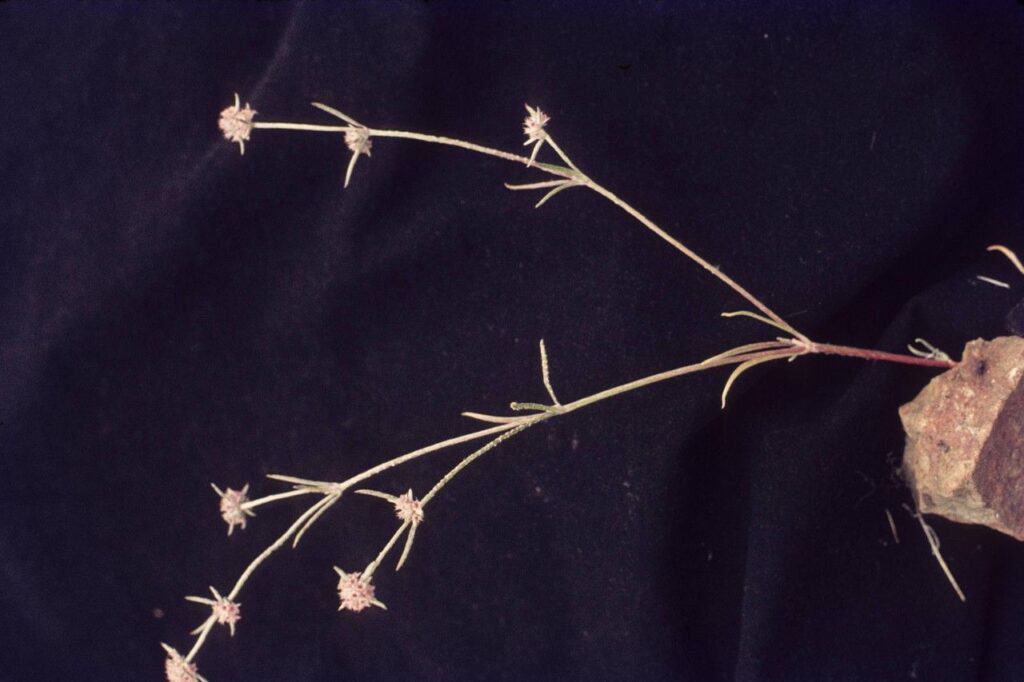
Unlocking the Secrets of Spineflower: How to Propagate Chorizanthe Membranacea
The delicate beauty of Chorizanthe membranacea, commonly known as the Pink Spineflower, belies a surprisingly resilient nature. This California native, with its intricate flower bracts and low-growing habit, thrives in seemingly inhospitable environments like sandy dunes and rocky outcrops. Intrigued? Then you might be surprised to learn that, with a little patience, you can cultivate this charming wildflower in your own backyard.
Understanding the Spineflower’s Life Cycle:
Before we delve into propagation, it’s helpful to understand the Spineflower’s life cycle. This annual plant completes its growth cycle within a single year, flowering in spring before setting seed and withering away. Successfully propagating Spineflower relies heavily on capturing and sowing its seeds.
The Art of Seed Collection:
- Timing is Key: Watch for the flower bracts – not the actual tiny flowers located within – to turn a reddish-brown hue. This color change signals that the seeds are mature and ready for collection.
- Gentle Handling: The seeds are tiny and easily dispersed by wind. Carefully snip off the flower heads and store them in paper bags or envelopes. This allows for air circulation and prevents mold growth.
- Extracting the Treasure: Spread the collected flower heads on a clean surface and gently rub them to release the seeds. Separate any remaining debris using a fine-mesh sieve.
Sowing for Success:
- Embrace the Fall: Replicating the Spineflower’s natural cycle is crucial. The ideal time for sowing is in the fall, mimicking the plant’s natural rhythm after seasonal rains.
- Direct Sowing is Best: Spineflower seeds prefer to germinate in their permanent location. Choose a sunny spot with well-draining soil, ideally mimicking their sandy, native habitat.
- Light Touch: Sprinkle the seeds sparingly on the soil surface. Spineflower seeds need light to germinate, so avoid burying them deeply. A light raking can help ensure good soil contact.
- Patience is a Virtue: Germination can take several weeks or even months. Keep the soil consistently moist but not waterlogged.
Alternative Approach: Winter Sowing:
If fall sowing isn’t feasible, consider winter sowing. This method involves starting seeds in mini-greenhouses (like repurposed milk jugs) outdoors during the colder months. This replicates natural stratification and temperature fluctuations, increasing germination rates.
Beyond Seeds: Division and Cuttings:
While seed propagation is the most reliable method, Spineflower can sometimes be propagated through division or cuttings.
- Division: Carefully divide established clumps in early spring, ensuring each section has sufficient roots.
- Cuttings: Take basal cuttings in spring, using a rooting hormone to encourage growth. This method is less reliable but worth a try for experienced gardeners.
Cultivating Beauty, Conserving Nature:
Propagating Chorizanthe membranacea is more than just cultivating a beautiful flower; it’s about connecting with nature and playing an active role in conserving California’s native flora. With a bit of effort and a lot of love, you can enjoy the delicate beauty of Spineflower in your own backyard while contributing to the preservation of this fascinating species.