
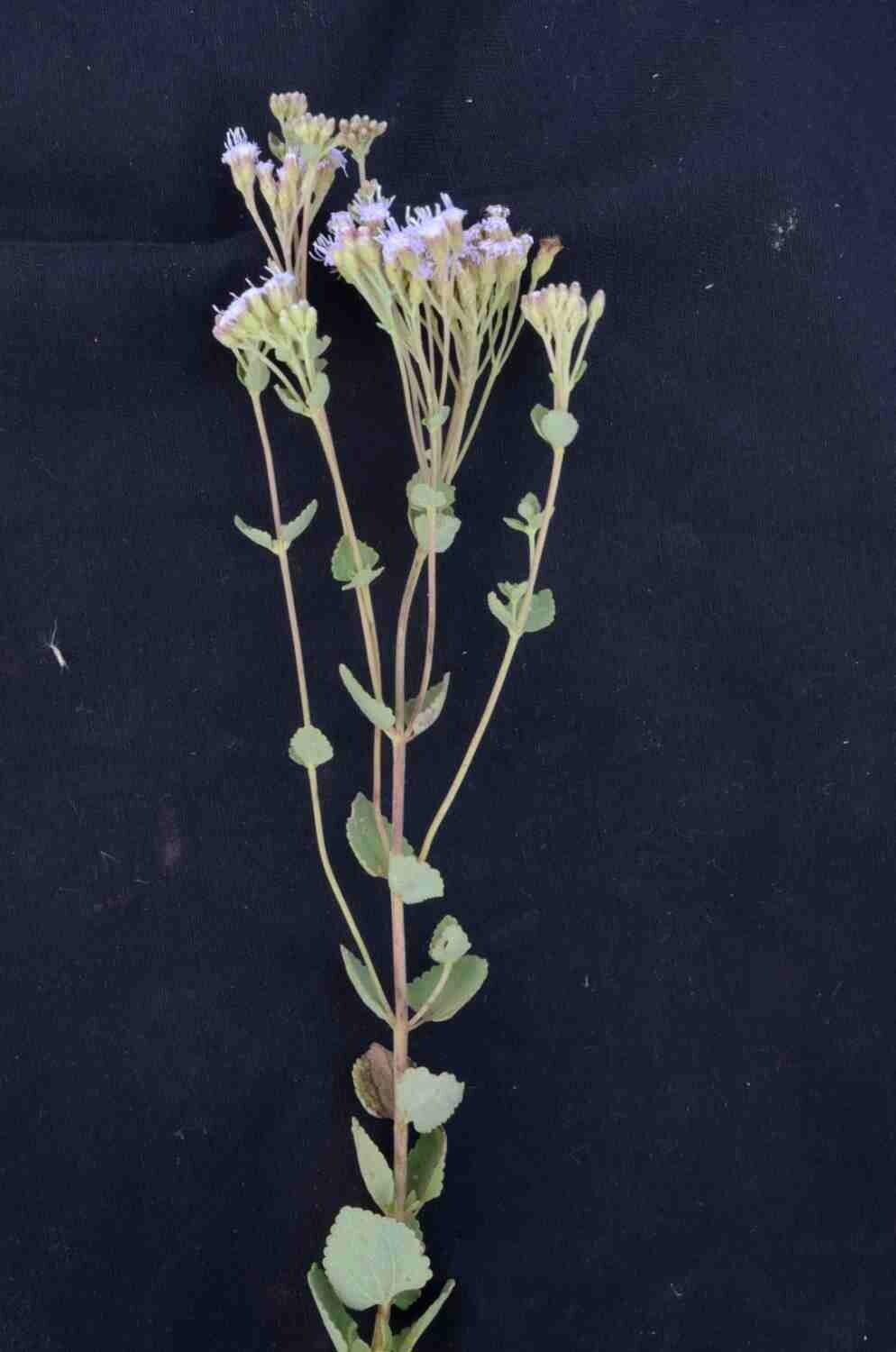
Propagating Chromolaena congesta: Taming the Tropical Weed (with a Gardener’s Touch)
Chromolaena congesta, commonly known as Siam weed, is a robust, fast-growing perennial shrub belonging to the Asteraceae family. While often considered an invasive weed in many parts of the world due to its aggressive spread, its resilience and attractive, fluffy purple flower heads have garnered some interest among gardeners, particularly those intrigued by challenging plants or seeking quick ground cover. Its prolific nature, however, presents unique challenges when it comes to intentional propagation. This article delves into the various methods of propagating Chromolaena congesta, exploring their success rates and practical considerations.
Seed Germination:
Currently, there are no known reliable methods for seed germination propagation of Chromolaena congesta. While the plant produces abundant seeds, their germination rate is notoriously low under typical horticultural conditions. Research suggests that seed dormancy and the need for specific environmental triggers (possibly related to soil conditions or temperature fluctuations, mirroring the natural cycle in its native habitat) may be significant barriers to successful germination.
Cuttings:
Cuttings offer a significantly more reliable method for propagating Chromolaena congesta.
Challenges: The success rate can vary depending on the timing and technique. Using older, woody stems can greatly reduce the chance of rooting.
Practical Tips: Softwood cuttings, taken from actively growing shoots in spring or early summer, have the highest chance of success. These cuttings should be approximately 4-6 inches long, with lower leaves removed to prevent rotting. Dipping the cut ends in rooting hormone can improve rooting success. Plant the cuttings in a well-draining propagation mix, keeping the mix consistently moist but not waterlogged. High humidity, provided by a humidity dome or regular misting, is crucial.
Rewards: Cuttings offer a relatively quick and simple method of propagating this plant, creating genetically identical clones of the mother plant, ensuring you replicate desirable traits.
Division:
Division is another viable method for increasing the number of Chromolaena congesta plants.
Challenges: Chromolaena congesta develops a rather shallow, fibrous root system, making the separation of healthy root sections challenging without causing significant damage. Mature plants are generally more suitable for division than young ones.
Practical Tips: The best time to divide Chromolaena congesta is during the spring or early summer, when the plant is actively growing. Carefully dig up the plant, gently separate the root ball into smaller sections ensuring each division has sufficient roots and stems. Replant the divisions immediately into well-prepared soil, ensuring adequate watering until established.
Rewards: Division provides a slightly faster method of propagation than cuttings, as the divisions already possess a degree of established root systems.
Tissue Culture:
Tissue culture offers the potential for large-scale propagation of Chromolaena congesta.
Challenges: Establishing a suitable tissue culture protocol requires specialized knowledge and equipment. Developing a sterilisation procedure to eliminate common contaminants and optimising the growth media for rapid shoot multiplication and rooting are ongoing areas of refinement.
Practical Tips: For successful tissue culture, aseptic techniques are paramount. Finding a suitable growth medium providing balanced nutrients and plant hormones that facilitate rapid growth is important. The application of cytokinins and auxins may be crucial in inducing shoot proliferation and root development.
Rewards: Tissue culture allows for rapid and clonal propagation of Chromolaena congesta, paving the way for mass production for horticultural or, potentially, phytoremediation projects.
Conclusion:
Propagating Chromolaena congesta presents both challenges and rewards. While seed propagation proves unreliable, cuttings and division offer practical and successful methods for the keen gardener. Tissue culture holds the largest potential for mass propagation but demands specialized knowledge and resources. The satisfaction of successfully cultivating this often-overlooked plant, especially when using challenging methods, is immense. The resilience of Chromolaena congesta, even amidst the difficulties faced in its propagation, is testament to its robust nature; a character that ultimately rewards persistent cultivators. To aspiring propagators: don’t be discouraged by initial setbacks; with patience and the right methods, you too can experience the unique satisfaction of taming this tropical weed.