
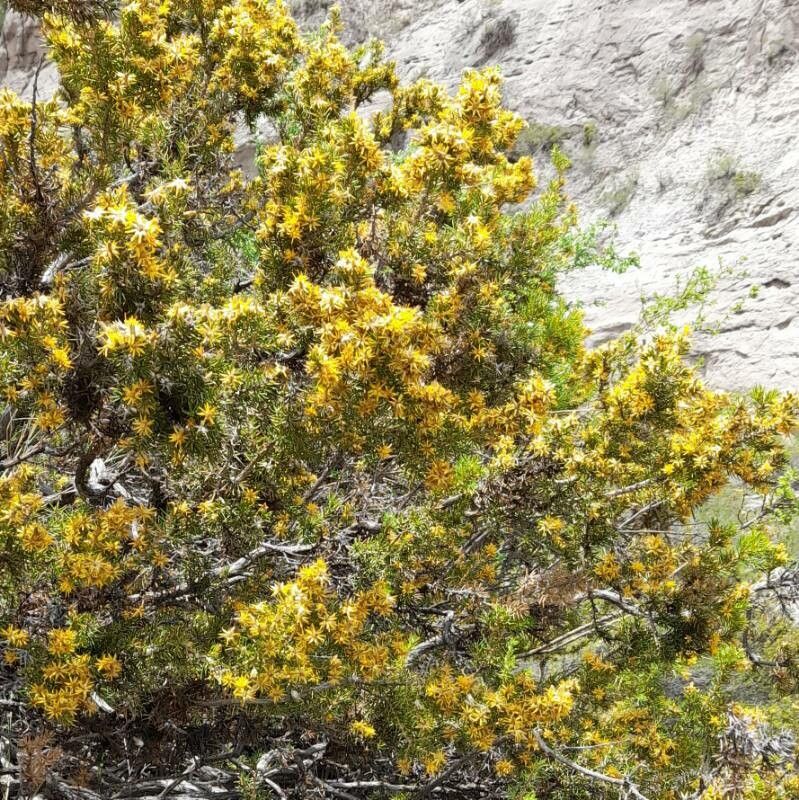
Propagating the Spine-Tipped Chuquiraga: A Gardener’s Challenge
Introduction:
Chuquiraga erinacea, commonly known as the spine-tipped Chuquiraga, is a captivating South American shrub prized for its striking silvery-grey foliage, spiny branches, and charming, if somewhat inconspicuous, yellow flowers. Its drought tolerance and unique aesthetic make it a highly desirable plant among collectors and gardeners seeking low-maintenance, hardy options for arid or xeric gardens. However, propagating this intriguing species presents unique hurdles, making success all the more rewarding.
Seed Germination:
Currently, there are no known reliable methods for seed germination propagation of Chuquiraga erinacea. While seeds may be produced, their germination rate is reported to be extremely low, likely due to dormancy mechanisms yet to be fully understood. Further research into pre-treatment methods, including specific stratification techniques and hormonal treatments, is needed before seed propagation can be considered a viable option.
Cuttings:
Cuttings offer a more promising avenue for propagating Chuquiraga erinacea. Challenges include the plant’s somewhat woody nature, which can impede rooting. Practical Tips: Semi-hardwood cuttings taken in late summer or early autumn, treated with a rooting hormone, and planted in a well-draining propagating mix under high humidity conditions show the best results. Misting regularly and providing bottom heat can significantly improve success rates. Rewards: Cuttings offer a quicker propagation method than other alternatives, reproducing the exact genetic characteristics of the parent plant.
Division:
Division is a viable method, but limited by the plant’s growth habit. Challenges: Chuquiraga erinacea doesn’t readily produce numerous stems or suckers suitable for division. Large, established plants may be cautiously divided, but this must be approached with care, ensuring each division maintains a substantial root system. Practical Tips: Division is best attempted in spring, before new growth begins, taking care to minimize root disturbance. Planting the divisions in well-draining soil and providing adequate watering (until established) are crucial for success. Rewards: Division provides a quicker result than cuttings, offering larger, more established plants relatively quickly. However, it’s not a suitable method for large-scale propagation.
Tissue Culture:
Tissue culture offers a potential solution to overcoming the challenges posed by other propagation methods. Challenges: Establishing sterile cultures and identifying appropriate growth media and hormone regimens will require significant experimentation. This method necessitates specialized laboratory equipment and expertise. Practical Tips: Research into the optimal media compositions, plant growth regulators, and sterilization techniques necessary for successful Chuquiraga erinacea tissue culture is needed. Rewards: Tissue culture has the potential for large-scale propagation, and the production of disease-free plants, ultimately aiding in conservation efforts. This is currently the most promising area for future research.
Conclusion:
Propagating Chuquiraga erinacea presents a unique challenge for the enthusiastic gardener. While seed germination currently remains elusive, cuttings and division offer viable, albeit somewhat labor-intensive, options. The potential of tissue culture provides a beacon of hope for future large-scale propagation. The inherent difficulties in propagating this species only serve to heighten the sense of accomplishment when success is achieved. For aspiring propagators, patience, meticulous attention to detail, and a persistent spirit are crucial. The rewards—cultivating this beautiful, resilient shrub—are worth the effort for those willing to embrace the challenge.