
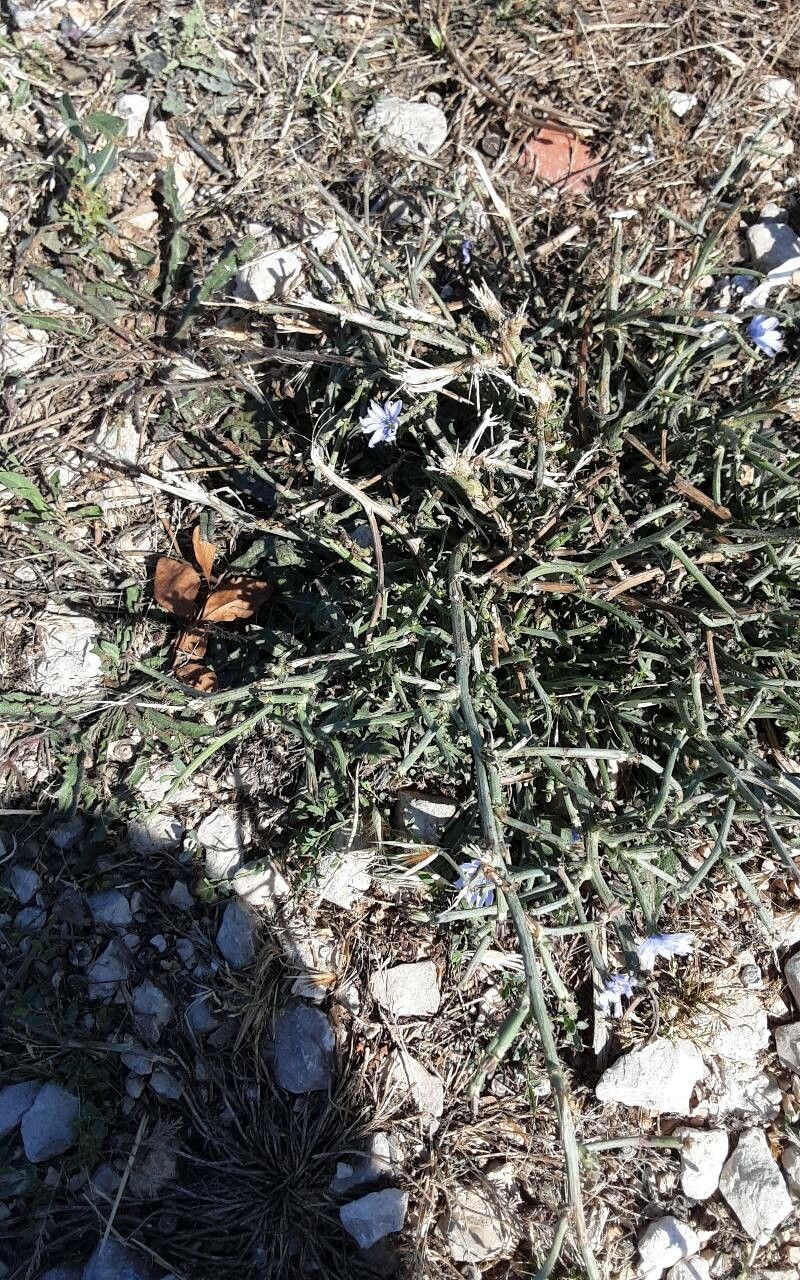
Propagating Cichorium spinosum: Cultivating the Spiny Chicory
Cichorium spinosum, commonly known as spiny chicory or prickly chicory, is a captivating perennial plant belonging to the Asteraceae family. Native to the Mediterranean region, this drought-tolerant species boasts striking, deeply lobed, spiny leaves and attractive, sky-blue flowers. Its resilience and unique appearance have made it increasingly popular among gardeners seeking low-maintenance, ecologically friendly landscaping options. The plant’s propagation, however, presents several challenges, making successful cultivation a rewarding endeavor for the dedicated plant enthusiast.
Seed Germination:
Currently, there are no known reliable methods for seed germination propagation of Cichorium spinosum. While the plant produces seeds, their germination rate is reportedly very low, and consistent success through this method has not been documented widely in horticultural literature. Further research is needed to determine the optimal conditions for seed germination, possibly involving specific temperature stratification techniques or hormonal treatments.
Cuttings:
Cuttings represent a more promising propagation method for Cichorium spinosum.
Challenges: Success with cuttings relies on selecting healthy, non-flowering stems during the active growth period (spring or early summer). The semi-woody nature of the stems can make them slightly challenging to root.
Practical Tips: Take semi-hardwood cuttings, approximately 4-6 inches long, from the current year’s growth. Remove lower leaves to prevent rot and dip the cut ends in a rooting hormone before planting in a well-draining propagation mix (e.g., a mix of perlite and peat moss). Maintain high humidity (using a humidity dome or plastic bag) and sufficient moisture, but avoid overwatering. Bottom heat can also improve rooting success.
Rewards: This method offers a relatively quick way to produce genetically identical clones of a desirable parent plant, preserving its characteristics.
Division:
Division is a viable, albeit somewhat limited, propagation method for established Cichorium spinosum plants.
Challenges: This method is only feasible for mature plants with well-developed root systems. Care must be taken to avoid damaging the roots during the division process. The plant’s relatively deep taproot can make division difficult.
Practical Tips: The best time for division is during the spring or autumn when the plant is actively growing or preparing for dormancy. Dig up the entire plant carefully, and divide the root crown into sections, ensuring each section has sufficient roots and shoots. Replant the divisions promptly in well-prepared soil.
Rewards: Compared to cuttings, division allows for faster establishment of new plants. It offers a simple method for increasing the number of plants without specialized equipment.
Tissue Culture:
Tissue culture offers the potential for large-scale propagation of Cichorium spinosum.
Challenges: This method requires specialized equipment, aseptic techniques, and knowledge of plant tissue culture procedures. It can be expensive and time-consuming, requiring a controlled environment and specific media formulations.
Practical Tips: This method is best left to experienced plant tissue culture professionals. Success depends on establishing sterile cultures and employing proper nutrient media and growth regulators.
Rewards: Tissue culture offers the possibility of rapid and large-scale propagation, producing disease-free plants, and preserving rare or valuable genetic material.
Conclusion:
Propagating Cichorium spinosum presents unique challenges across all methods. While seed germination remains unreliable, cuttings and division offer achievable methods for propagating this attractive species, with cuttings being favored for producing identical plants and division for quicker establishment of mature plants. Tissue culture remains a highly specialized option for mass propagation. The rewards, however, are well worth the effort—the satisfaction of successfully nurturing these plants from cuttings or divisions offers a profound connection to nature, exceeding the ease found with readily available nursery plants. For aspiring propagators, patience, persistence, and attention to detail will be instrumental in overcoming the challenges and experiencing the pride of cultivating this remarkable Mediterranean wildflower.