
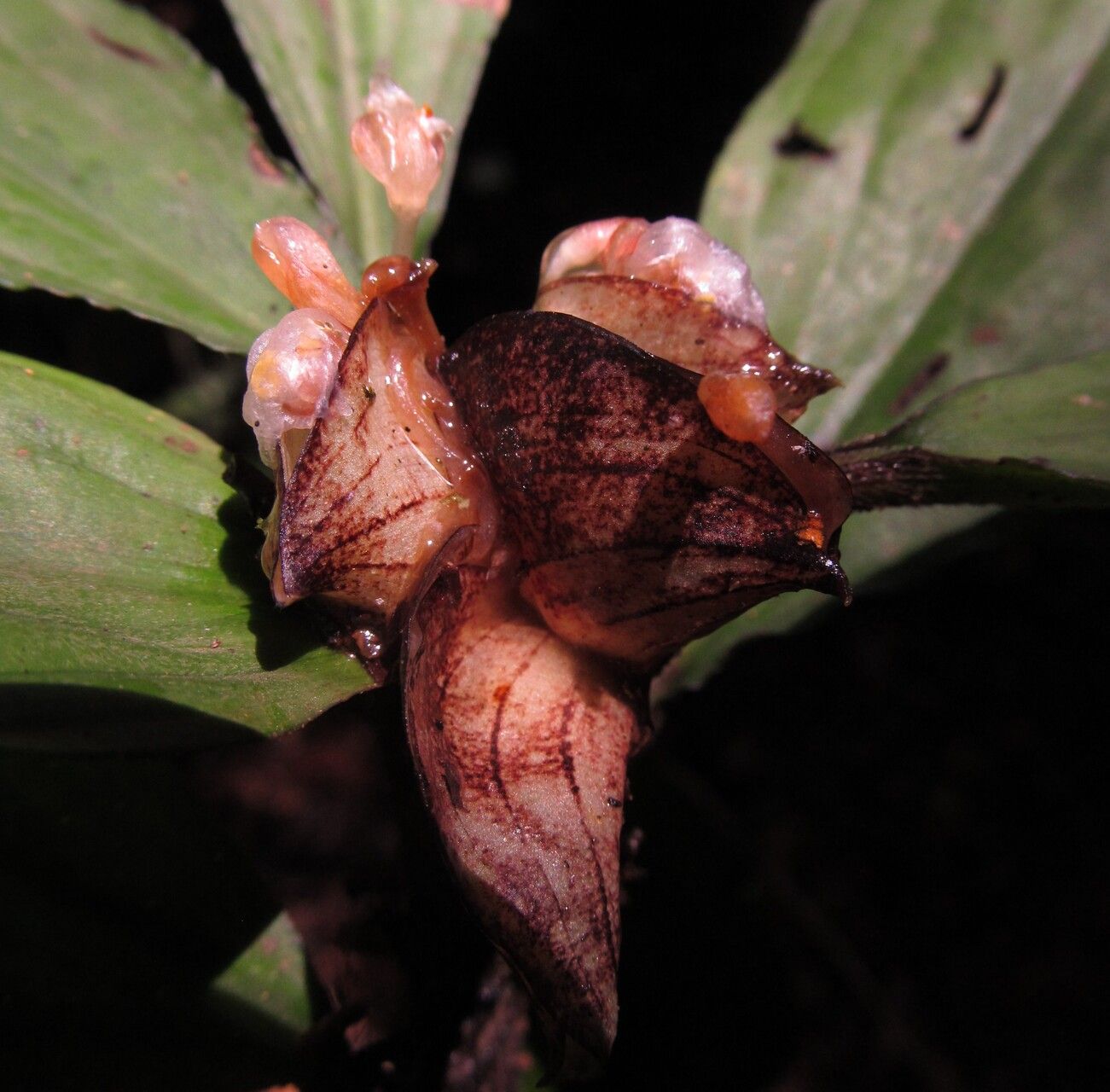
Propagating Commelina longicapsa: A Gardener’s Guide
Commelina longicapsa, also known as the long-capsuled dayflower, is a charming, low-growing herbaceous plant prized for its vibrant blue flowers and attractive foliage. Its ease of care and relatively fast growth make it a popular choice amongst gardeners, particularly those interested in ground cover or adding a touch of delicate blue to their landscapes. However, while the plant itself is easy to maintain, propagating it can present some unique challenges. This article will explore various propagation methods for Commelina longicapsa, outlining their viability and offering practical advice.
Seed Germination:
Currently, there are no known reliable methods for seed germination propagation of Commelina longicapsa. While the plant does produce seed, germination rates are reportedly extremely low and inconsistent, making seed propagation impractical for most gardeners. Further research into specific germination requirements (such as stratification techniques or hormonal treatments) might be needed to successfully utilize this method.
Cuttings:
Cuttings represent a highly viable method for propagating Commelina longicapsa.
Challenges: While relatively straightforward, success relies on maintaining optimal moisture and preventing rot. Using overly mature or damaged cuttings can lower success rates.
Practical Tips: Take stem cuttings approximately 4-6 inches long, ideally from healthy, actively growing stems. Remove lower leaves to prevent rot. Dip the cut end in rooting hormone for improved results. Plant the cuttings in a well-draining potting mix, keeping the soil consistently moist but not waterlogged. High humidity, achievable through a humidity dome or plastic bag, significantly increases success rates.
Rewards: Cuttings propagation is relatively quick, allowing for rapid multiplication of desirable plants. It faithfully preserves the genetic characteristics of the parent plant, preventing unwanted variations.
Division:
Division is another readily successful method for propagating Commelina longicapsa.
Challenges: The best time to divide is during the spring or early summer when the plant is actively growing. Dividing too early or late can weaken the plant. Care must be taken to ensure that each division has sufficient roots and stems for successful establishment.
Practical Tips: Gently lift the mature plant from the ground. Carefully separate the plant into several smaller divisions, each with its own root system and several stems. Replant the divisions immediately in well-prepared soil, ensuring adequate spacing. Water thoroughly after planting.
Rewards: Division is a simple and effective method for increasing the number of Commelina longicapsa plants without the need for specialized equipment or techniques.
Tissue Culture:
Tissue culture propagation of Commelina longicapsa is a potentially viable but complex method requiring specialized equipment and expertise.
Challenges: Establishing sterile conditions and employing precise nutrient media formulations are crucial for success. This method demands substantial investment in laboratory equipment and a thorough understanding of plant tissue culture techniques.
Practical Tips: While not suitable for the home gardener, tissue culture allows for rapid large-scale propagation and disease-free plants. This method is best suited for commercial growers or research facilities.
Rewards: Mass production potential, production of disease-free plants, and preservation of rare genotypes.
Conclusion:
Propagating Commelina longicapsa presents varying degrees of difficulty depending on the chosen method. While seed germination remains unreliable, cuttings and division offer accessible and efficient approaches for the home gardener. Tissue culture provides a highly productive option for large-scale propagation but requires specialized knowledge and resources. The unique satisfaction in successfully propagating this beautiful plant stems from overcoming the inherent challenges, taking pride in nurturing a new generation of vibrant dayflowers from a single cutting or division. Don’t be discouraged by initial setbacks; experiment, adapt your techniques, and enjoy the rewarding experience of cultivating this delightful species.