
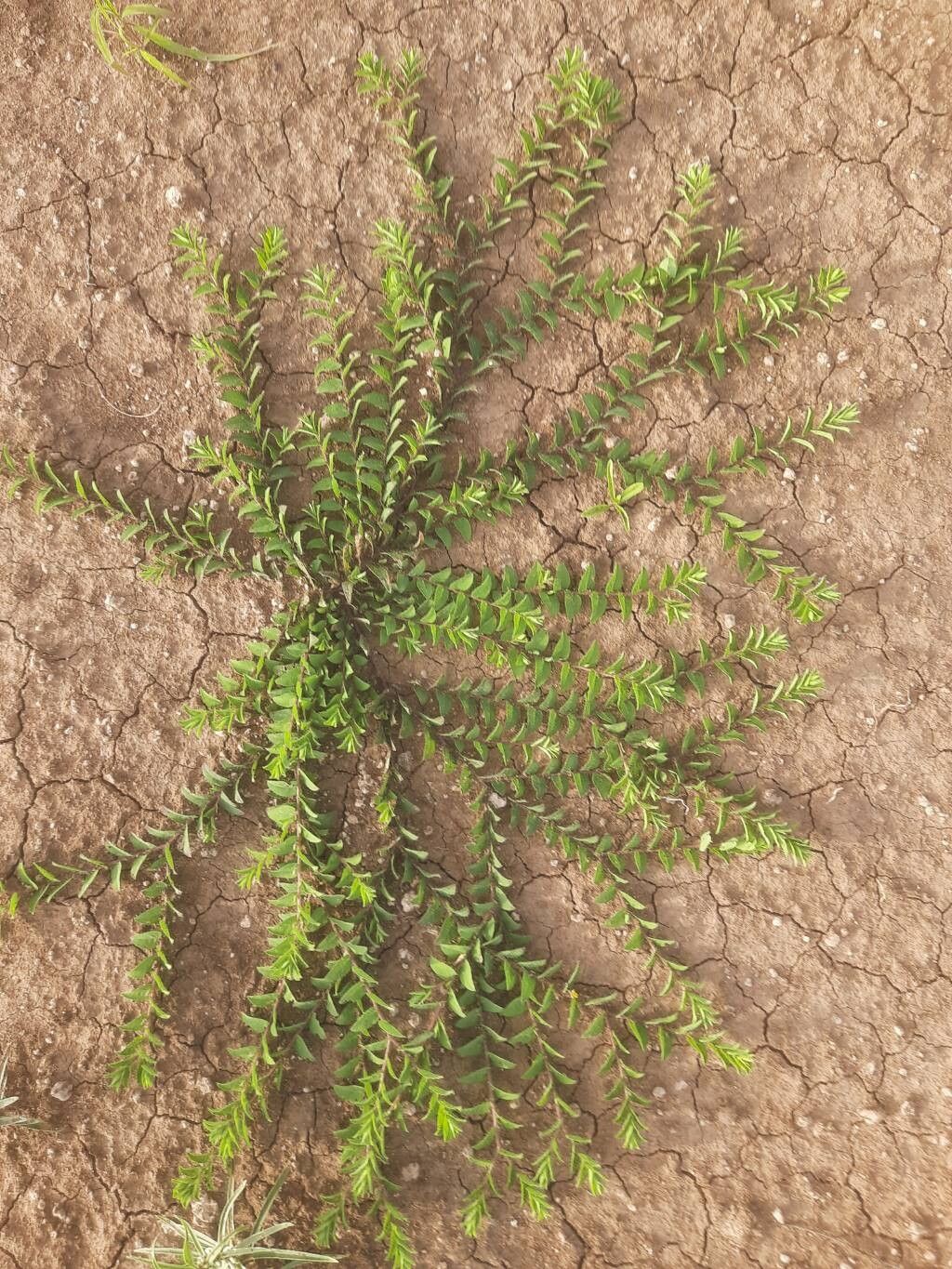
Propagating Crotalaria hebecarpa: A Gardener’s Guide to the Showy Rattlebox
Introduction:
Crotalaria hebecarpa, commonly known as the Showy Rattlebox, is a striking annual or short-lived perennial legume boasting vibrant yellow flowers arranged in terminal racemes. Its eye-catching blooms and relatively easy cultivation have earned it a place in many gardeners’ hearts, particularly those interested in attracting pollinators like bees. However, propagation can present some unique challenges, making success all the more rewarding. This article will explore various propagation methods for Crotalaria hebecarpa, outlining both their potential and their limitations.
Seed Germination:
Seed germination is a viable method for propagating Crotalaria hebecarpa, though it requires some attention to detail. The primary challenge lies in overcoming seed dormancy. Many Crotalaria species exhibit hard seed coats which inhibit water uptake. Therefore, scarification is recommended. This can be achieved through mechanical means (e.g., gently nicking the seed coat with sandpaper) or chemical means (e.g., a brief soak in concentrated sulfuric acid – proceed with caution and appropriate safety measures if using this method).
Practical Tips:
- Scarification: Prioritize careful scarification to avoid damaging the embryo.
- Pre-soaking: After scarification, soak seeds in warm water for 24 hours to improve imbibition.
- Sowing: Sow seeds directly in well-draining soil, about twice the seed’s diameter deep. Maintain consistent moisture but avoid overwatering, which can lead to fungal diseases.
- Temperature: Optimal germination temperature is typically between 20-25°C (68-77°F).
- Light: Germination often occurs better in light conditions, so don’t bury seeds too deep.
Rewards: Successful seed germination offers the advantage of genetic diversity, allowing for a greater range of plant characteristics within subsequent generations. It also allows for large-scale propagation, potentially supplying numerous plants for landscaping or research purposes.
Cuttings:
Currently, there are no known reliable methods for propagating Crotalaria hebecarpa via cuttings. This species has not shown consistent success with stem or root cuttings, potentially due to its herbaceous nature and difficulty in rooting. More research is needed to determine whether specific hormonal treatments or specialized techniques might improve rooting rates.
Division:
Division is not a practical method for propagating Crotalaria hebecarpa. Being primarily an annual or short-lived perennial, it does not develop the extensive root systems required for successful division.
Tissue Culture:
While not commonly employed for this species by home gardeners, tissue culture offers a potential avenue for large-scale, clonal propagation of Crotalaria hebecarpa. This advanced technique would require specialized knowledge, equipment, and sterile laboratory conditions. While potentially capable of high yields and disease-free plants, access and expertise are significant barriers.
Conclusion:
Propagating Crotalaria hebecarpa presents a unique set of challenges. Seed germination, while achievable with the right techniques, necessitates overcoming seed dormancy. Other methods, like cuttings and division, appear unsuitable. Tissue culture offers a high-yield option but remains inaccessible to most gardeners. Despite these hurdles, the vibrant display of flowers and the satisfaction of successfully cultivating this plant from seed rewards the effort invested. For aspiring propagators, patience, attention to detail, and a willingness to experiment are key to successfully growing Showy Rattlebox. Don’t get discouraged by initial setbacks – the success ultimately makes the effort worthwhile.