
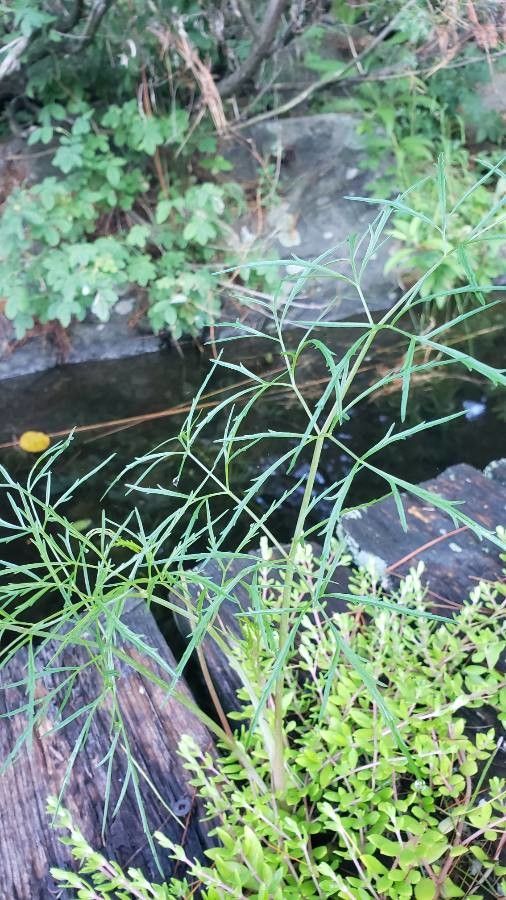
Propagating Poison: A Look at the Reproduction of the Toxic Cicuta bulbifera
The natural world is full of fascinating contradictions – beautiful yet deadly creatures, delicate yet resilient plants. One such plant that inspires both awe and caution is Cicuta bulbifera, commonly known as the bulblet-bearing water hemlock. While infamous for its toxicity, this plant also boasts a unique method of reproduction that is worth examining – but not replicating!
Understanding the Dual Nature of Cicuta bulbifera
Before we delve into its propagation, it’s crucial to address the elephant in the room – Cicuta bulbifera is highly poisonous. Ingesting any part of this plant, especially the roots, can have severe consequences, even death, for both humans and livestock. Therefore, it is crucial to avoid any interaction that involves touching or handling the plant. Admire it from afar, learn about it, but never cultivate it in your garden.
A Two-Pronged Approach to Multiplication
Cicuta bulbifera has a fascinating duality when it comes to propagation. It utilizes both sexual and asexual methods to reproduce, making it a highly successful colonizer of its wetland habitat.
- Sexual Reproduction: The Power of Seeds
Like most flowering plants, Cicuta bulbifera produces seeds. The small, dry seeds develop within tiny flowers clustered in umbrella-shaped structures called umbels. Once mature, these seeds fall to the ground, carried by wind and water, waiting for the right conditions to germinate and give rise to new plants.
- Asexual Reproduction: The Mystery of the Bulbils
This is where things get interesting. True to its name, Cicuta bulbifera produces small, bulb-like structures called bulbils, located where the leaf stalks meet the stem. These bulbils are essentially miniature clones of the parent plant. As the plant matures, the bulbils detach and fall to the ground or into the water, quickly taking root and establishing new, genetically identical plants.
Why is this Dual Approach Important?
The combination of sexual and asexual reproduction gives Cicuta bulbifera a significant advantage in the wild. Sexual reproduction allows for genetic diversity, potentially leading to offspring better adapted to changing environments. Asexual reproduction, on the other hand, ensures rapid colonization of a suitable habitat. With each bulbil capable of producing a new plant, Cicuta bulbifera can quickly dominate an area, outcompeting other species.
Responsible Appreciation from a Distance
While Cicuta bulbifera may have a fascinating reproductive strategy, it’s crucial to remember its toxic nature. Leave its propagation to the wild and appreciate its resilience and reproductive prowess from a safe distance. Knowledge is key when it comes to interacting with potentially dangerous plants – know your plants, respect their power, and prioritize safety above all else.