
Don’t Even Think About It: Why You Should Never Propagate Water Hemlock (Cicuta douglasii)
The allure of a vibrant garden, filled with fragrant blossoms and lush foliage, is undeniable. Many gardeners find joy in expanding their plant collections through propagation, but there’s one plant you should absolutely avoid multiplying: Water Hemlock (Cicuta douglasii). This seemingly innocuous-looking plant is a silent killer, harboring a deadly toxin that makes it the most poisonous plant native to North America.
A Hidden Danger Lurking in the Wild
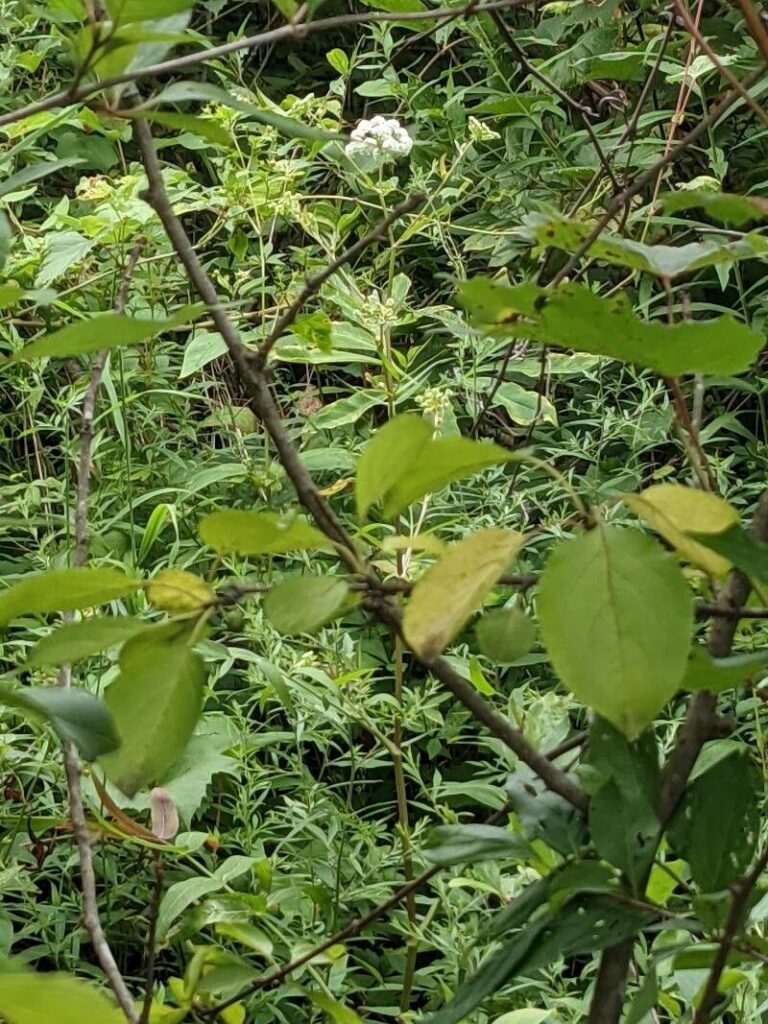
Water Hemlock is a common sight along stream banks, ditches, and moist meadows throughout the United States and Canada. Its umbrella-shaped clusters of white flowers may seem harmless, but beneath that facade lies a potent threat. Every single part of this plant, from its roots to its stems and leaves, contains cicutoxin. This neurotoxin disrupts the nervous system, leading to violent seizures, coma, and even death.
A Cautionary Tale: The Dangers of Propagation
While propagation is generally a safe and rewarding practice, it’s crucial to be aware of the potential hazards, particularly when it comes to poisonous plants. Propagating Water Hemlock is not only irresponsible but extremely dangerous.
Here’s why you should avoid it at all costs:
- Unintentional Exposure: Even the smallest contact with Water Hemlock can be fatal. Propagating the plant during cuttings, division, or seed collection increases the risk of exposure to the toxin, potentially leading to severe poisoning.
- Accidental Ingestion: Propagating Water Hemlock poses a significant risk of accidental ingestion, especially for children or pets who may be drawn to its vibrant appearance.
- Unintentional Spread: Propagating this plant can lead to its unintentional spread, introducing this deadly species to new areas and threatening ecosystems and wildlife.
A Better Approach: Respect and Caution
Instead of trying to propagate Water Hemlock, focus on appreciating its beauty while respecting its deadly nature. Here’s what you can do:
- Educate yourself and others: Learn about the dangers of Water Hemlock and share this knowledge with your community.
- Avoid contact: Keep a safe distance from this plant and ensure children and pets do the same.
- Report sightings: Contact your local authorities or plant experts if you come across an infestation of Water Hemlock.
Protecting Yourself and Our Environment
Water Hemlock is a silent danger that should never be underestimated. While propagation can be a rewarding experience for plant enthusiasts, it’s crucial to prioritize safety and respect for life by avoiding the propagation of this deadly species. Remember, knowledge and caution are your best weapons in dealing with this potent threat.