
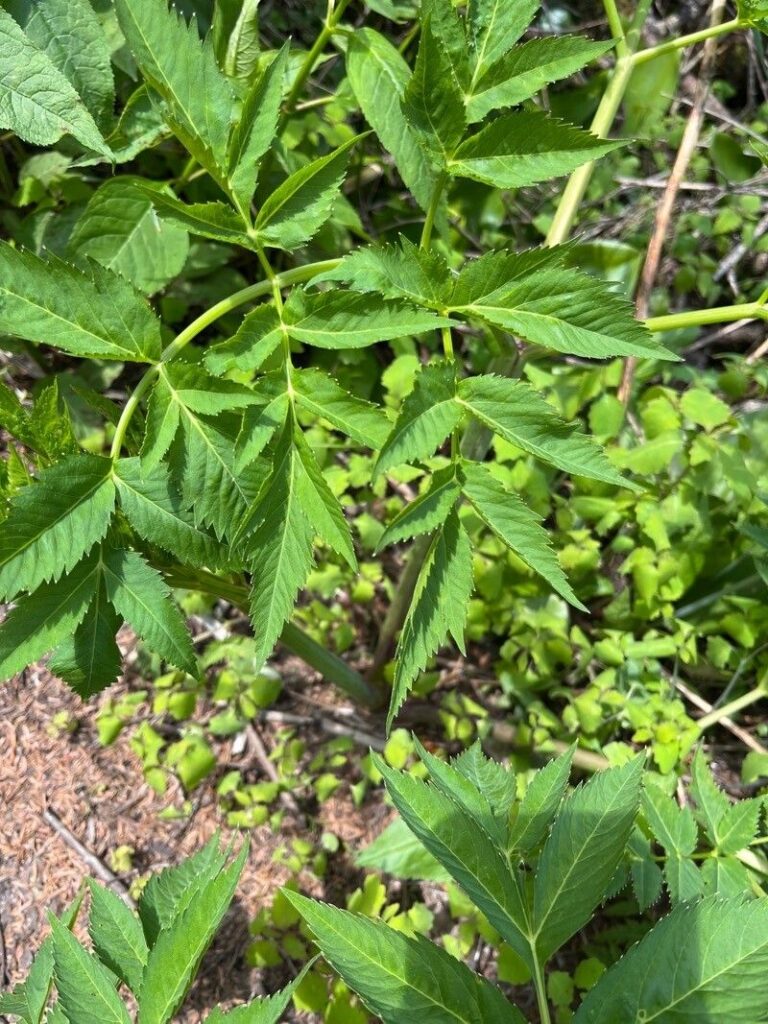
Don’t Try This At Home: The Deadly Truth About Propagating Water Hemlock
The allure of bringing a new plant to life through propagation is undeniable. But before you even consider attempting to propagate any plant, it’s crucial to understand the potential dangers associated with it. This is especially true when dealing with Cicuta maculata, commonly known as Water Hemlock.
This seemingly unassuming plant, with its white umbels of flowers reminiscent of Queen Anne’s Lace, hides a dark secret: it’s one of the most poisonous plants in North America. Its toxin, cicutoxin, is a potent neurotoxin that can be fatal even in small doses.
Why You Should Absolutely Never Propagate Water Hemlock:
- Extreme Toxicity: Every part of the plant, from roots to flowers, contains cicutoxin. Even a small amount can cause severe poisoning, leading to seizures, tremors, and death.
- No Safe Dosage: Unlike some medicinal herbs where dosage is crucial, there is no “safe” amount of Water Hemlock. Any ingestion, even a single leaf, can be fatal.
- Difficult Identification: Uninformed people might mistake Water Hemlock for other edible plants like wild carrot or parsnip. This misidentification can have catastrophic consequences.
- Risk to Livestock: The poisonous nature of Water Hemlock extends to animals. Livestock grazing in areas where it grows are at risk of poisoning.
Instead of attempting to propagate Water Hemlock, here’s what you can do:
- Educate Yourself: Learn to identify Water Hemlock and recognize its distinctive features.
- Be Vigilant: If you have children or pets, be aware of the dangers of this plant and keep them away from it.
- Report Sightings: If you come across Water Hemlock, report it to your local authorities or a conservation agency to help prevent accidental poisoning.
Beyond the Dangers: While this post has focused on the fatal consequences of attempting to propagate Water Hemlock, it’s important to remember that engaging with nature demands respect and caution. Always research thoroughly before handling any plant, and when in doubt, seek guidance from experts.
This is not a call to action, but a call to awareness. Let’s ensure our understanding of the natural world guides us towards respect and safety, for ourselves and our loved ones.