
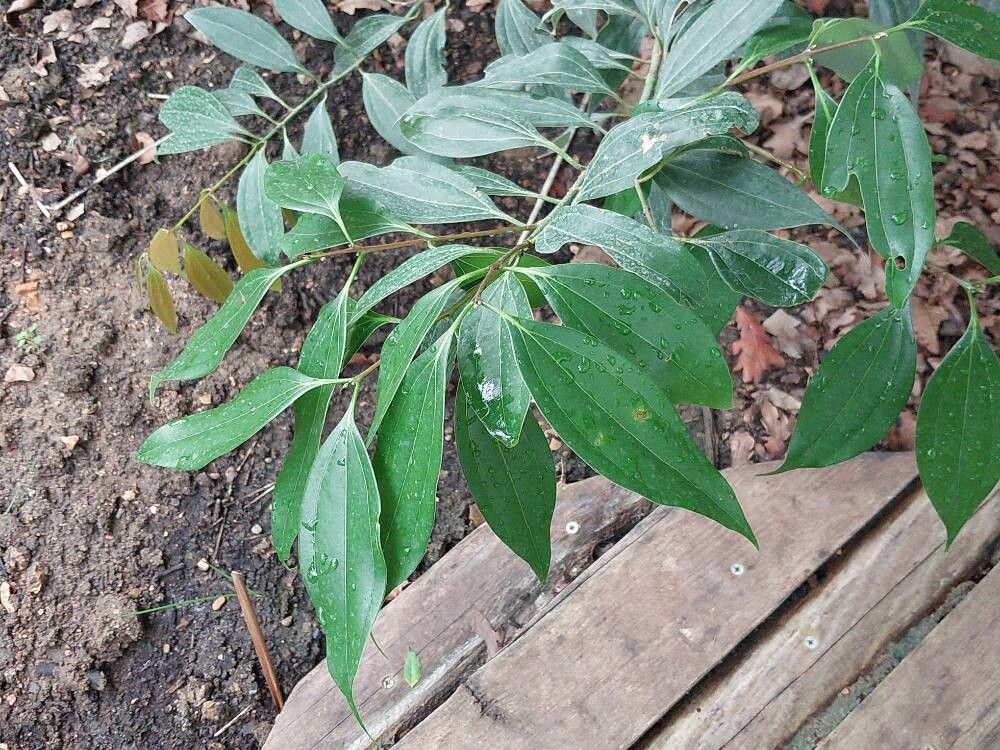
From Seed to Spice: Propagating the Aromatic Cinnamomum sieboldii
If you’re looking for a plant that’s both beautiful and fragrant, look no further than Cinnamomum sieboldii, also known as Japanese cinnamon. This stunning evergreen shrub boasts glossy foliage and produces clusters of delicate, creamy-white flowers. But perhaps the most captivating aspect of Cinnamomum sieboldii is its alluring scent, reminiscent of cinnamon and camphor. And the best part? It’s surprisingly easy to propagate, allowing you to share this fragrant delight with others or expand your own collection.
Starting from Seed: A Journey of Patience
One way to propagate Cinnamomum sieboldii is to use seeds. While this method requires a touch of patience, it’s a rewarding experience.
- Harvest Fresh Seeds: Gather ripe berries from your plant or purchase them from a reputable source.
- Clean and Prepare: Remove the fleshy pulp surrounding the seeds and gently wash them clean.
- Stratification: Mimic the natural winter conditions by exposing the seeds to a period of cold stratification. Wrap them in moist paper towel or vermiculite and store them in a sealed container in the refrigerator for 6-8 weeks.
- Sowing Time: After stratification, sow the seeds in a seed tray filled with a well-draining potting mix. Cover the seeds with a thin layer of soil and keep consistently moist.
- Patience is Key: Cinnamomum sieboldii seeds can take a few weeks to germinate, and even longer under cool conditions. Be patient and keep the seedlings in a bright, warm location.
Propagation Through Cuttings: A Quicker Route
For a quicker path to a new Cinnamomum sieboldii plant, propagation by cuttings is a favored method.
- Select the Right Cuttings: Choose healthy, non-flowering stems from the current year’s growth. Take cuttings that measure 4-6 inches long, ensuring they have at least two nodes.
- Prepare the Cuttings: Make a clean cut just below a node, using sharp scissors or a knife. Remove any leaves below the soil line.
- Rooting Hormone (Optional): Dip the base of the cuttings in rooting hormone to promote root development. While not essential, it can boost success rates.
- Planting Time: Insert the cuttings into a pot filled with a sterile rooting mix, such as a blend of peat moss and perlite. Ensure the soil is moist and keep the pot in a bright, indirect light location.
- Maintain Moisture: Keep the rooting mix consistently moist, but avoid overwatering. You can use a plastic dome or a clear plastic bag to create a humid environment around the cuttings.
- Time to Transplant: After several weeks, the cuttings should start developing roots. When the new growth appears, it’s a good indication that the plant has successfully rooted. You can then transplant it to a larger pot or outdoors in a suitable location.
Care and Maintenance:
Whether you start from seed or cuttings, providing proper care is crucial for establishing healthy Cinnamomum sieboldii plants. Here are some essential tips:
- Light: Choose a location that receives partial shade to full sun.
- Water: Water regularly, allowing the soil to dry out slightly between waterings.
- Fertilize: Feed your Cinnamomum sieboldii with a balanced fertilizer during the growing season.
- Pruning: Prune lightly after flowering to maintain shape and encourage bushier growth.
With a little care and the right propagation techniques, you can enjoy the beauty and fragrance of Cinnamomum sieboldii for years to come. And with its stunning foliage, subtle spice scent, and ease of propagation, this captivating plant is a perfect addition to any garden or home.