
Unlocking the Secrets of Cipura Paludosa Propagation: From Seed to Success
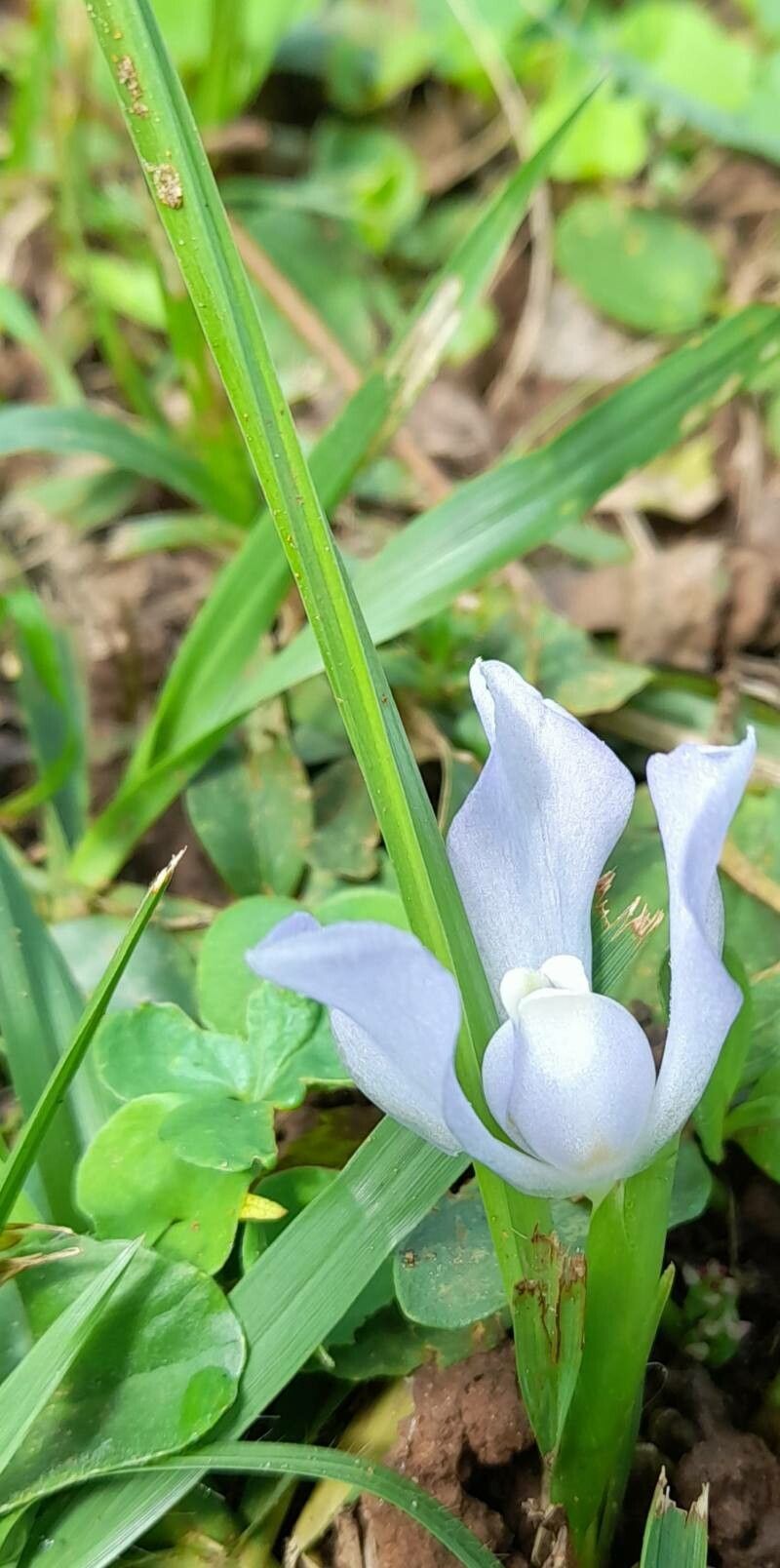
The Cipura paludosa, also known as the “False Flag,” is a captivating bulbous perennial that boasts stunning, yet ephemeral, iris-like blooms. Native to damp grasslands and savannas of South America, this plant is a unique addition to any garden seeking a touch of exotic beauty.
While commercially available, propagating Cipura paludosa can be a rewarding experience. Let’s explore the two primary methods:
1. Sowing the Seeds:
Timing is Key: Freshly harvested seeds offer the highest germination rates. Collect the seeds after the flower fades and the seed pods mature, turning brown and splitting open.
Sowing Process:
- Utilize a well-draining seed starting mix.
- Lightly press the seeds into the surface, ensuring they’re covered with a thin layer of the mix.
- Water gently and keep the soil consistently moist but not waterlogged.
- Place the seed tray in a warm, brightly lit location, avoiding direct sunlight.
Germination typically takes several weeks to a few months, so patience is essential.
Care for Seedlings:
- Once seedlings emerge and develop a couple of true leaves, thin them out to provide adequate spacing for growth.
- Gradually acclimatize them to outdoor conditions before transplanting them to their final location in the garden.
2. Division for Faster Results:
The Right Time: This method is best undertaken in spring when the plant is actively growing after its winter dormancy.
Dividing the Rhizomes:
- Carefully dig up a mature clump of Cipura paludosa.
- Gently separate the rhizomes (underground stems) using your hands or a clean, sharp knife. Ensure each division has a healthy set of roots and shoots.
- Replant the divisions at the same depth they were originally growing.
- Water thoroughly to settle the soil.
Caring for Your Cipura Paludosa:
Whether grown from seed or division, providing the right growing conditions is crucial for a thriving Cipura paludosa:
- Sun and Soil: Prefers a sunny to partially shaded location with well-drained, fertile soil that retains some moisture.
- Watering: Water regularly during the growing season, especially during dry spells, but avoid overwatering which can lead to bulb rot.
- Fertilization: A light application of a balanced fertilizer during the growing season can encourage healthy foliage and blooms.
- Pests and Diseases: Generally, a resilient plant; however, keep an eye out for common garden pests and diseases.
- Winter Dormancy: In colder regions, the foliage may die back in winter. Apply a layer of mulch to protect the bulbs from frost.
Reap the Rewards:
With a little patience and care, your propagation efforts will be rewarded with the breathtaking beauty of Cipura paludosa. Their vibrant blooms, often lasting only a day, create a mesmerizing display. Each delicate flower, lasting just a short time, makes their appearance all the more special, a reminder to appreciate the ephemeral beauty in our world.
So why not embark on the rewarding journey of propagating Cipura paludosa? Witnessing the cycle of growth firsthand adds a whole new dimension to enjoying this exceptional plant.