
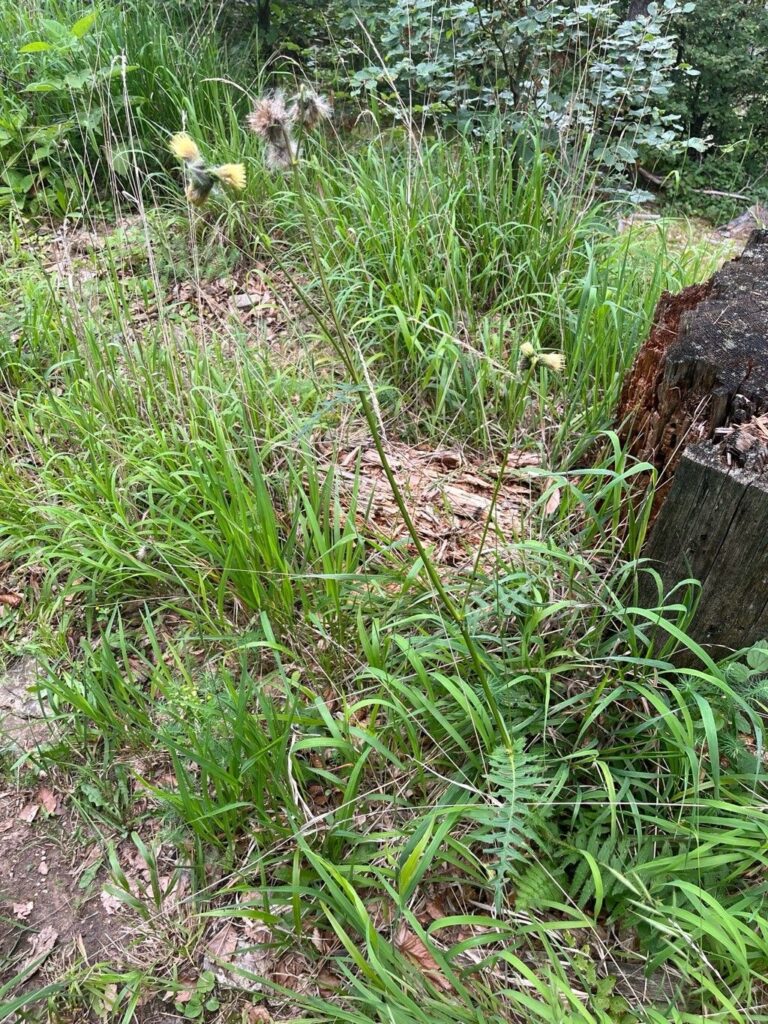
Unveiling the Secrets: How to Propagate the Elusive Yellow Thistle (Cirsium erisithales)
The Yellow Thistle, also known by its scientific name Cirsium erisithales, is not your typical garden variety thistle. This elegant plant, with its spidery yellow blooms and statuesque form, possesses a subtle beauty that captivates plant enthusiasts. If you’re lucky enough to encounter this rare gem, you might be inspired to propagate it and share its unique charm.
However, be warned, cultivating Cirsium erisithales requires patience and a gentle touch. This plant can be slightly more demanding than its common thistle relatives. But fear not! With the right knowledge and a bit of effort, you can successfully propagate this botanical treasure.
Let’s delve into the two primary methods:
1. Seed Propagation: A Dance with Patience
- Seed Collection: Timing is key! Collect seeds from mature flower heads in late summer or early fall, identifiable by their fluffy white appearance. Gently remove the seeds, separating them from the fluff.
- Stratification: Unlike some plants, Cirsium erisithales seeds benefit from a period of cold stratification to mimic natural winter conditions. Place the seeds in a moist paper towel within a sealed plastic bag, and store them in your refrigerator (around 4°C) for 4-6 weeks.
- Sowing: Once stratified, sow your seeds in a well-draining seed starting mix. Press the seeds lightly onto the surface, ensuring they are barely covered. Water gently and keep the soil consistently moist.
- Light and Warmth: Place your seedling tray in a bright location, but avoid direct sunlight which can be too intense for young plants. Maintain a temperature of around 18-21°C for optimal germination.
- Germination: Patience is a virtue! Germination can take anywhere from 2 to 8 weeks. Once your seedlings have a couple of sets of true leaves, you can transplant them into individual pots.
2. Division: Sharing is Caring, but with Care
- Timing: Early spring, just before new growth emerges, is the ideal time to divide Cirsium erisithales.
- Careful Excavation: Gently dig around the plant, ensuring you capture a good portion of the root system.
- Division: Carefully tease apart the roots, separating the plant into smaller sections. Each division should have a healthy portion of roots and shoots.
- Replanting: Replant your divisions immediately in well-draining soil, ensuring the crown of the plant sits level with the soil surface.
- Water and Shade: Water your divisions thoroughly and provide them with some shade during their initial recovery.
Nurturing Your Yellow Thistle
Irrespective of your chosen propagation method, Cirsium erisithales thrives in well-draining soil and prefers full sun to partial shade. While this plant is relatively low-maintenance, regular watering and occasional fertilizing will contribute to its overall health and vigor.
Propagating Cirsium erisithales can be a deeply rewarding experience. While it requires a touch more patience and care compared to some plants, the joy of successfully cultivating this rare beauty is well worth the effort. So, why not embark on this botanical adventure? You might just be captivated by the subtle charm of the Yellow Thistle!