
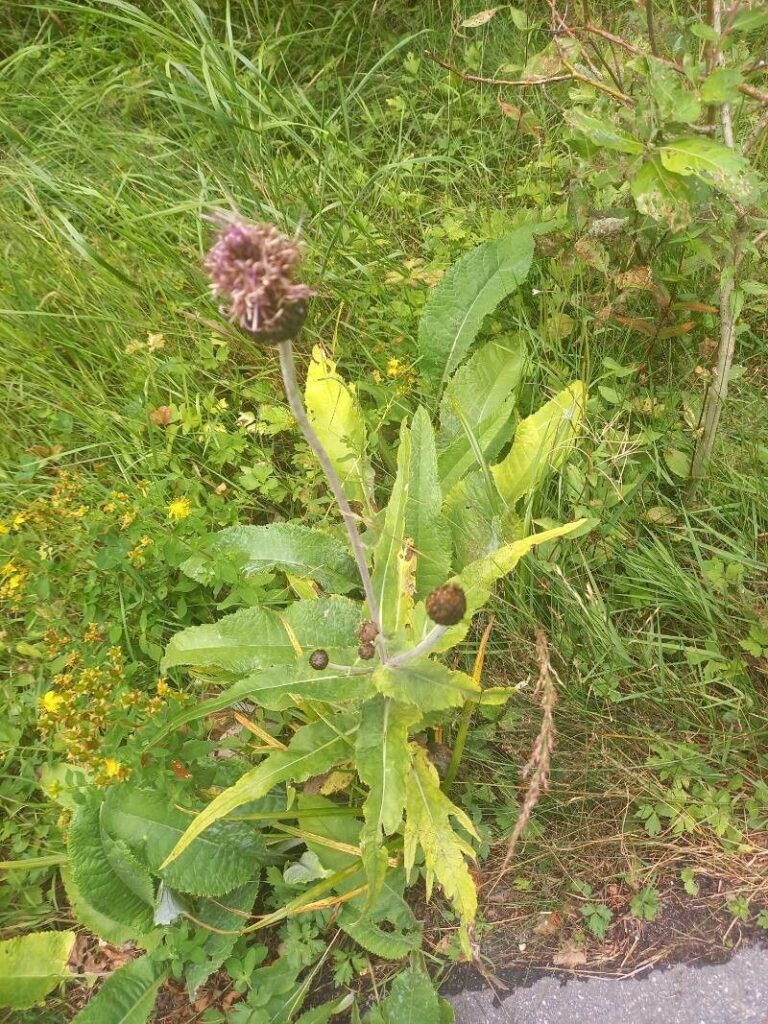
From Seed to Thistle: Propagating the “Melancholy Thistle”
The Melancholy Thistle (Cirsium heterophyllum), with its graceful, drooping flowers and prickly leaves, is a captivating addition to any garden. But beyond its unique beauty lies a potential for propagation, allowing you to share this fascinating plant with others or expand your own collection.
Let’s delve into the intricacies of propagating Melancholy Thistle, exploring the methods that work best for this captivating wildflower.
Growing from Seed:
For those seeking a challenge, cultivating Melancholy Thistle from seed is a rewarding experience.
- Time is Key: Sow seeds directly outdoors in autumn or early spring, mimicking their natural cycle. The preferred soil is a well-drained, sunny location, but a bit of shade is tolerated.
- Patience is a Virtue: Melancholly Thistle seeds are known for their slow germination, often taking weeks or even months to sprout. Be patient, provide consistent moisture, and eventually, tiny green shoots will emerge.
- Thinning for Success: Once seedlings emerge, thin them out to ensure enough space for healthy growth.
Division: A Simpler Approach:
For a quicker and more reliable method, consider dividing existing Melancholy Thistle plants.
- Timing is Everything: Late spring or early autumn after flowering is the ideal time for division.
- Dig and Divide: Carefully dig up the established plant, ensuring you extract the entire root system. Use a sharp knife or garden spade to slice the plant into smaller sections, each containing healthy roots and shoots.
- Replant with Care: Plant the divided sections in pre-prepared pots or directly into the ground, making sure to maintain a proper spacing to allow for optimal growth.
Additional Tips for Success:
- Watering: Consistent moisture is crucial, especially during the establishment phase. Water deeply but infrequently, letting the top layer of soil dry out slightly between waterings.
- Fertilizer: Melancholy Thistle thrives in poor soil conditions, so excessive fertilization can lead to weak growth and susceptibility to pests.
- Pest Control: This plant is generally pest-resistant, although aphids may appear occasionally. Rinse them off with a strong jet of water or use an organic insecticide.
Beyond the Garden:
The Melancholy Thistle’s beauty extends beyond its appearance. It plays a vital role in the ecosystem, providing nectar for pollinators and seeds for birds. It also attracts beneficial insects that help control pests in your garden.
From Seed to Thistle, A Journey to Share:
Propagating Melancholy Thistle is both a rewarding and fascinating journey. By employing the methods described above, you can effortlessly share this captivating wildflower with others and contribute to its conservation. Remember, whether you choose to sow seeds or divide existing plants, patience and care are essential for cultivating this remarkable species. So, embrace the challenge and watch as this captivating wildflower transforms your garden into a haven of beauty and biodiversity.