
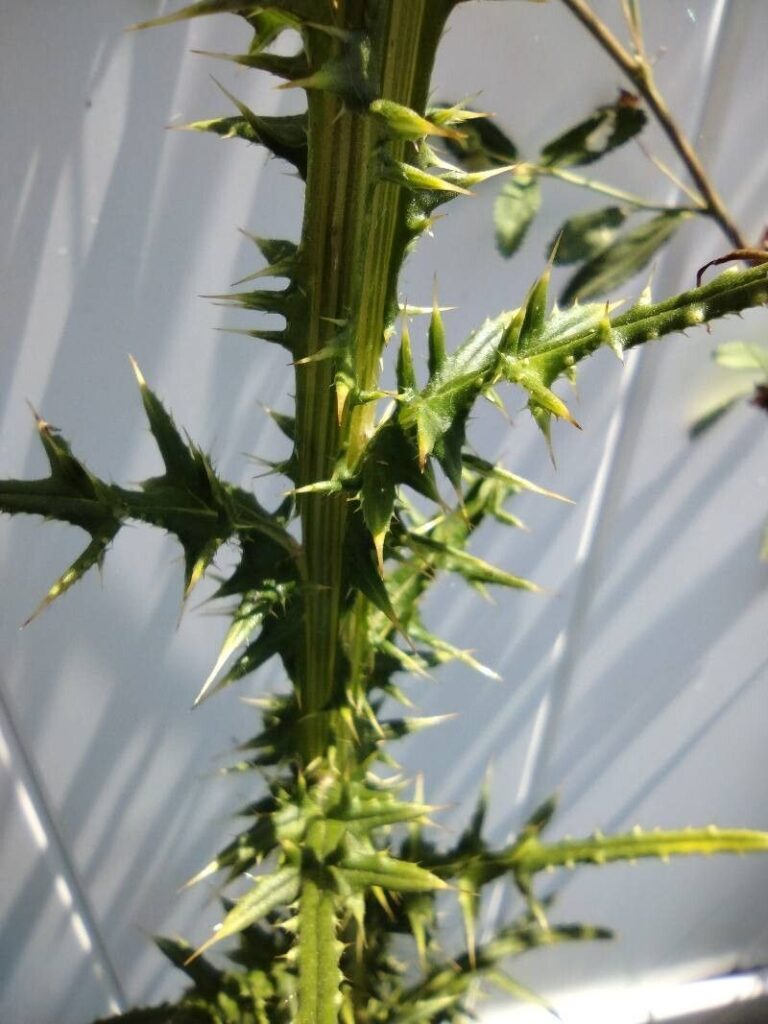
Taming the Thistle: A Guide to Propagating Cirsium nuttallii
The Cirsium nuttallii, also known as the Nuttall’s thistle, might not be the first plant that comes to mind when you think of a blossoming garden. With its prickly demeanor and somewhat unruly appearance, this North American native often finds itself relegated to the “weed” category. However, beneath that thorny exterior lies a heart of gold, well, actually, a heart of vibrant purple. The Nuttall’s thistle boasts stunning, large blooms that attract a bevy of pollinators, making it a valuable asset for any wildlife-friendly garden.
If you’re willing to look past the prickles and embrace the thistle’s wild beauty, you might be surprised to learn that propagating Cirsium nuttallii is a relatively simple endeavor. Let’s explore the two main methods:
1. Seed Starting: Welcoming the Wildlings
The most straightforward approach to propagating Cirsium nuttallii is through seed. Here’s a step-by-step guide:
- Collection: In late summer or early fall, keep an eye out for the thistle’s fluffy, white seed heads. Once they appear dry and begin to disperse easily, it’s harvest time! Gently collect the seeds, wearing gloves to protect your hands from the prickly parts of the plant.
- Stratification (Nature’s Nudge): Like many wildflowers, Cirsium nuttallii seeds benefit from a period of cold stratification, mimicking the natural winter dormancy period. Place your collected seeds in a moistened paper towel inside a sealed plastic bag and store them in your refrigerator for around 4-6 weeks.
- Sowing: Once stratified, your seeds are ready to be sown. In the spring, after the last frost, plant the seeds directly outdoors in a sunny location with well-drained soil. Alternatively, you can start them indoors 4-6 weeks before the last frost date.
- Patience is Key: Cirsium nuttallii seeds can take their time to germinate, sometimes up to a few weeks. Be patient and keep the soil consistently moist but not waterlogged.
2. Division: Sharing the Bounty
For established Cirsium nuttallii plants, division is an excellent method to both propagate new plants and maintain the health of your existing patch. Here’s how:
- Timing is Everything: The optimal time for division is in the early spring while the plant is still dormant, or in the fall after the flowering season.
- Divide and Conquer: Carefully dig around the base of the plant you wish to divide, ensuring you lift a good portion of the root system. Use a sharp, clean knife or spade to divide the plant into sections, each containing healthy roots and shoots.
- Replanting: Replant the divided sections immediately in their new locations, ensuring they are at the same soil depth as before. Water thoroughly and provide some shade during their initial settling-in period.
A Few Thistle-Taming Tips:
- Location, Location, Location: Cirsium nuttallii thrives in full sun to partial shade and prefers well-drained soil.
- Water Wisely: While drought-tolerant once established, regular watering in the first year after planting or division will help your thistle thrive.
- Prickly Protection: Be sure to wear gloves and long sleeves when handling Cirsium nuttallii to avoid getting pricked!
With a little effort, you can successfully propagate Cirsium nuttallii and enjoy the vibrant beauty and ecological benefits these often-misunderstood plants bring to the garden. Embrace the wild, and let your garden become a haven for both pollinators and the captivating allure of the Nuttall’s thistle.