
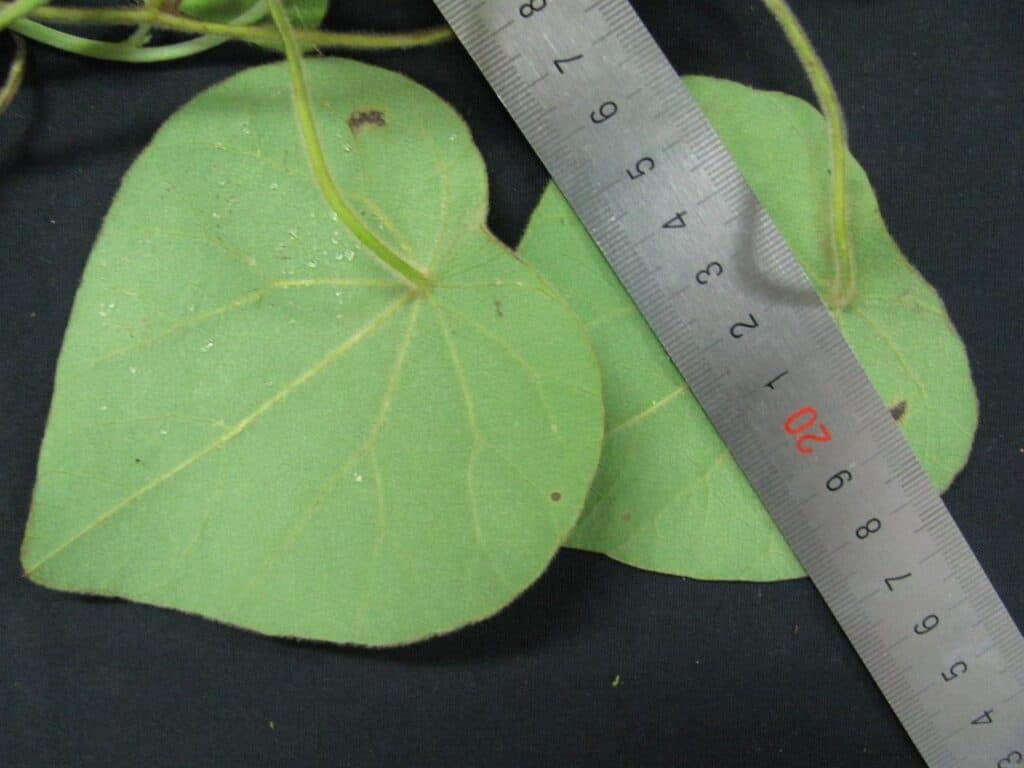
Unleashing the Velvet Leaf: Propagating Cissampelos tropaeolifolia
The plant world is full of hidden gems, and Cissampelos tropaeolifolia, commonly known as Velvet Leaf, is one such treasure. Native to Asia, this herbaceous climber captivates with its velvety, heart-shaped leaves and intriguing growth habit. While its medicinal uses have been recognized for centuries in traditional medicine, cultivating this enchanting plant at home is a rewarding experience for any plant enthusiast.
This guide delves into the fascinating world of propagating Cissampelos tropaeolifolia, providing you with the knowledge to successfully multiply your collection.
Two Paths to Propagation:
Cissampelos tropaeolifolia can be propagated through two primary methods: seeds and cuttings. Each technique has its own merits and considerations:
1. Seed Starting:
- Source: Sourcing seeds can be slightly tricky, as this plant isn’t widely commercially available. Look for reputable online retailers specializing in rare or medicinal plants.
- Timing: The ideal time for sowing is in spring, mimicking the plant’s natural growth cycle.
- Process:
- Scarification: Gently rub the seed coat with sandpaper to encourage water absorption and germination.
- Sowing: Plant seeds in a well-draining seed starting mix, lightly covering them with soil.
- Environment: Provide warmth (around 70°F/21°C) and consistent moisture. A humidity dome can be beneficial.
- Germination: Be patient, as germination can take several weeks to a couple of months.
- Advantages: Starting from seed can be rewarding, allowing you to witness the plant’s entire life cycle.
2. Taking Cuttings:
- Source: Take cuttings from a healthy, established Cissampelos tropaeolifolia plant.
- Timing: Similar to seed starting, spring or early summer is ideal for optimal rooting.
- Process:
- Selection: Choose healthy stems with at least two nodes (the points where leaves emerge).
- Cutting: Using a clean, sharp knife or shears, cut a 4-6 inch section just below a node. Remove lower leaves, leaving a few at the top.
- Rooting Hormone (Optional): While not essential, dipping the cut end in rooting hormone can expedite the process.
- Planting: Insert the cutting into a moist, well-draining rooting mix such as perlite or vermiculite.
- Environment: Maintain warmth, humidity, and indirect sunlight. A humidity dome or clear plastic bag over the cutting can help retain moisture.
- Advantages: Cuttings typically root faster than seeds, allowing for quicker establishment of a new plant.
Caring for Your Propagations:
Whether you choose seeds or cuttings, providing the right care is paramount:
- Watering: Maintain consistent moisture without making the soil soggy. Water when the top inch feels dry.
- Light: Place your propagations in a bright location with indirect sunlight.
- Transplanting: Once your seedlings or cuttings have developed a strong root system and new growth, you can transplant them into individual pots filled with well-draining potting mix.
A Rewarding Endeavor:
Propagating Cissampelos tropaeolifolia might require patience and attention to detail, but the reward of nurturing new life and expanding your plant collection is well worth the effort. With the right knowledge and care, you can unveil the beauty of this velvet-clad climber in your own home.