
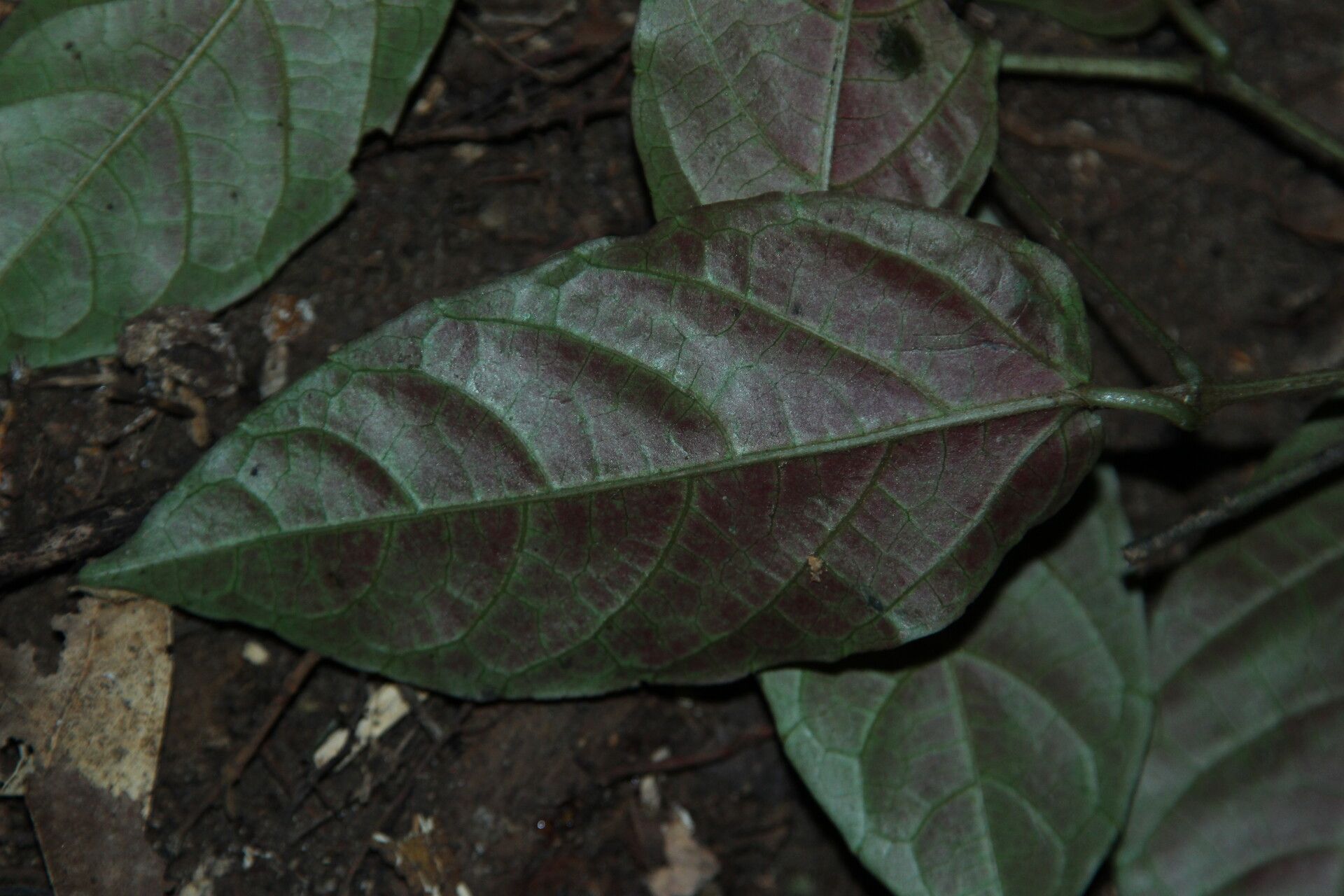
Propagating Cissus diffusiflora: A Gardener’s Guide to the “Green Shower Vine”
Cissus diffusiflora, commonly known as the Green Shower Vine (though sometimes also called the “creeping fig” which is a misnomer as it belongs to a different genus), is a captivating vine prized for its delicate, lush foliage and cascading habit. Its vibrant green leaves, often tinged with bronze, provide a stunning display whether trailing from hanging baskets or climbing walls. This relatively low-maintenance vine’s increasing popularity among gardeners has fueled interest in effective propagation techniques, although some methods prove more challenging than others. Let’s explore the various options available.
Seed Germination:
Currently, there are no known reliable methods for seed germination propagation of Cissus diffusiflora. While the plant does produce seeds, their viability and germination rate are extremely low, making this method impractical for most gardeners. Further research is needed to determine if specific germination treatments could improve success.
Cuttings:
This is the most widely used and generally successful method for propagating Cissus diffusiflora.
Challenges: While relatively easy, success depends on proper technique and environmental conditions. Rotting is a major concern if cuttings are not kept adequately dry yet moist.
Practical Tips: Take semi-hardwood cuttings (partially matured stems) in spring or summer. Cuttings should be 4-6 inches long, with several nodes. Remove lower leaves to prevent rotting. Dip the cut ends in rooting hormone for improved results. Plant cuttings in a well-draining potting mix (e.g., perlite and peat moss mix), keeping the soil consistently moist but not waterlogged. Use a humidity dome or propagator to maintain high humidity. Root formation generally takes 4-6 weeks.
Rewards: High success rate, relatively quick propagation, maintains the genetic characteristics of the parent plant.
Division:
This method can be employed when the plant has become significantly large and established in a pot.
Challenges: Requires a mature plant with well-developed root systems. Damage to the roots can hinder the success of division.
Practical Tips: Gently remove the plant from its pot and carefully separate the root ball into multiple sections, ensuring each section has sufficient roots and stems. Replant the divisions in individual pots, using a well-draining potting mix. Water thoroughly and provide a suitable growing environment.
Rewards: Relatively fast establishment of new plants, good for increasing the number of plants from a mature specimen.
Tissue Culture:
This method offers the potential for large-scale propagation and the elimination of diseases.
Challenges: Requires specialized equipment, sterile environment, and a good understanding of plant tissue culture techniques. This is not feasible for the average home gardener.
Practical Tips: This method requires laboratory conditions and expertise in plant tissue culture protocols. It involves sterilizing plant material, growing explants on nutrient media, and then transferring the growing plantlets to potting mix in a controlled environment.
Rewards: High propagation rates, disease-free plants, rapid multiplication of desired genotypes.
Conclusion:
Propagating Cissus diffusiflora presents varying degrees of difficulty depending on the chosen method. While seed germination is currently unreliable, cuttings offer a simple and reliable approach for most gardeners. Division works well for established plants, while tissue culture remains a specialized approach best suited for labs and commercial growers. The unique satisfaction derived from successfully propagating Green Shower Vine comes not just from the acquisition of new plants, but from the patience, observation, and problem-solving skills required. Embrace the challenges, learn from any setbacks, and enjoy the rewarding process of cultivating more of this beautiful and adaptable vine. With some practice and a bit of perseverance, successfully propagating Cissus diffusiflora will undoubtedly bring satisfaction and a flourishing collection of plants.