
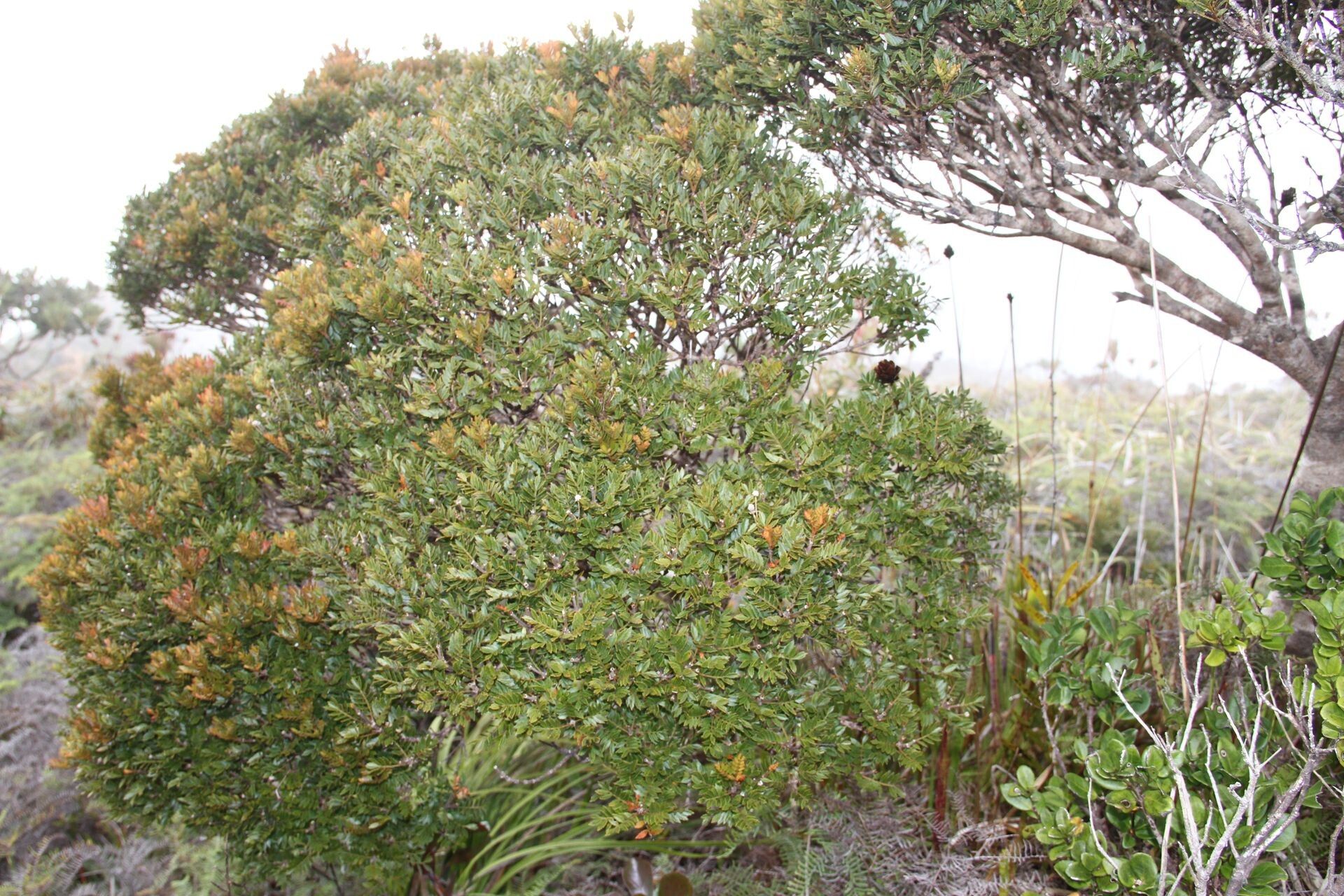
Propagating Pancheria multijuga: A Gardener’s Guide to the “Many-Yoked Pancheria”
Introduction:
Pancheria multijuga, sometimes known as the “Many-Yoked Pancheria,” is a captivating tree native to New Caledonia, prized for its unique architectural form and striking foliage. Its dense, dark green leaves, arranged in a distinctly layered fashion, create a visually stunning specimen, making it highly sought after by collectors and enthusiasts of unusual plants. However, its propagation presents a unique set of challenges, making successful cultivation a particularly rewarding experience. Its relative rarity in cultivation contributes to its appeal, further piquing gardeners’ interest in mastering its propagation.
Seed Germination:
Currently, there are no known reliable methods for seed germination propagation of Pancheria multijuga. While seeds may be produced, germination rates are extremely low, and even under optimized conditions, success is largely unpredictable. Further research is needed to determine any viable seed propagation techniques.
Cuttings:
Propagating Pancheria multijuga via cuttings presents a more promising avenue, though still challenging.
- Challenges: Pancheria multijuga cuttings are notoriously difficult to root. The plant displays a low rooting propensity, requiring specific conditions and potentially the use of rooting hormones. The susceptibility to fungal diseases during the rooting process also poses a significant hurdle.
- Practical Tips: Hardwoods cuttings taken from mature, well-established plants during late autumn or early winter, after the active growing season, show marginally higher success rates. The use of a propagation medium featuring excellent drainage, such as a well-aerated mix of perlite and peat moss, is critical. Application of a rooting hormone (e.g., IBA) significantly increases the chances of success. High humidity (achieved through propagation chambers or humidity domes) and indirect light are essential to prevent dehydration and fungal infection.
- Rewards: Successful propagation through cuttings offers a reliable method for producing genetically identical copies of a desirable mother plant, preserving its unique traits. This method is also potentially scalable for small-scale commercial production.
Division:
Division is not a viable propagation method for Pancheria multijuga. This species does not produce suckers or readily divisible root systems.
Tissue Culture:
Tissue culture offers a potentially high-yield method for propagating Pancheria multijuga, though it requires specialized laboratory equipment and aseptic techniques.
- Challenges: Establishing sterile cultures and selecting appropriate media for optimal growth is crucial. The potential for contamination during any stage of the process poses a significant risk. The specific hormonal requirements (auxins, cytokinins, etc.) for growth and shoot multiplication still need to be optimized.
- Practical Tips: Experienced tissue culture specialists are usually required to identify the correct explant and optimize the nutrient medium and growth regulator concentrations. Strict adherence to aseptic techniques is mandatory to avoid contamination.
- Rewards: Tissue culture allows for mass propagation of genetically identical plants, opening up possibilities for large-scale production and conservation efforts. This technique offers the highest potential for success given the challenges associated with other methods.
Conclusion:
Propagating Pancheria multijuga is undoubtedly a demanding endeavor. While seed germination has yet to yield reliable results, cuttings offer a more achievable (though still challenging) method, while tissue culture presents the greatest potential for larger-scale propagation, albeit requiring specialized expertise. Each method carries substantial risks and requires significant patience and dedication. However, the unique beauty and rarity of this plant make the challenges worthwhile. The gratification derived from successfully cultivating a Pancheria multijuga from a cutting or tissue culture is immeasurable, a testament to the gardener’s perseverance and skill. Aspiring propagators should embrace a learning approach, meticulously documenting their efforts and adapting their techniques based on observed results. And remember, the journey itself is just as rewarding as the final destination.