
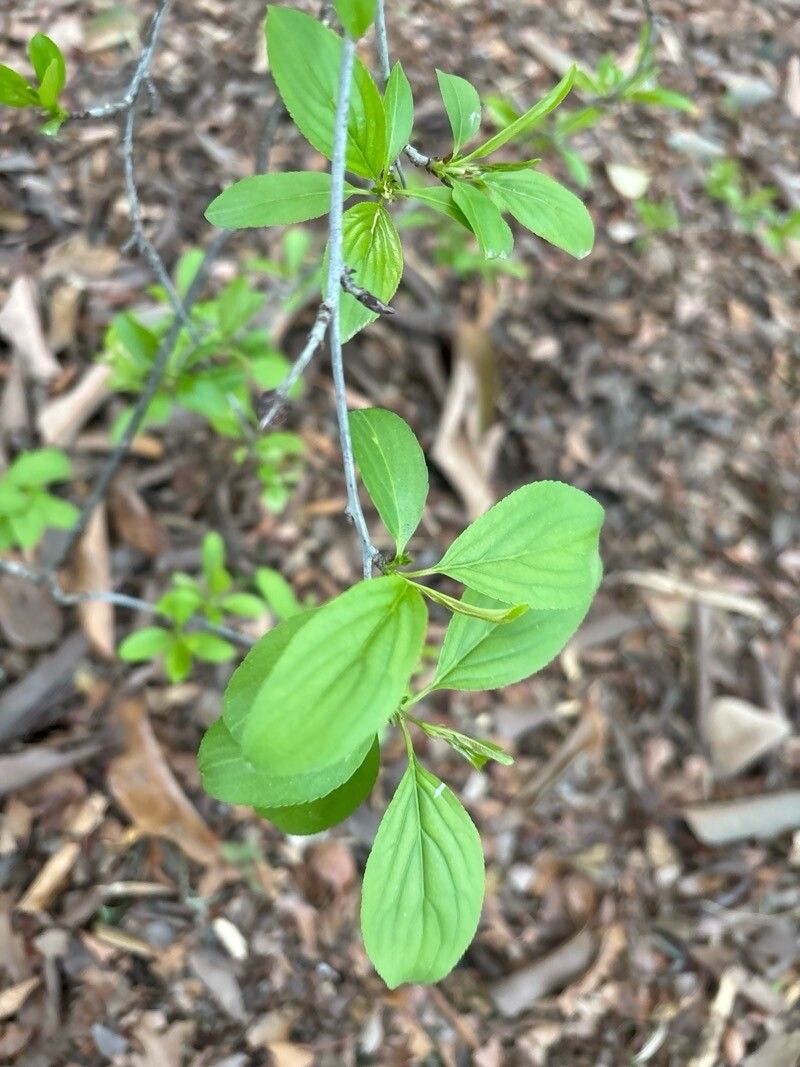
Propagating Rhamnus davurica: A Gardener’s Challenge
Rhamnus davurica, also known as Dahurian buckthorn, is a deciduous shrub prized for its ornamental value. Its attractive, understated foliage, unassuming flowers, and berries provide subtle beauty to the garden landscape. While not as flamboyant as some other shrubs, its resilience and adaptability make it a favorite among gardeners seeking low-maintenance, hardy plants suited for colder climates. However, propagating this species presents unique challenges, making successful cultivation all the more rewarding.
Seed Germination
Currently, there are no known reliable methods for seed germination propagation of Rhamnus davurica. While seeds may be produced, they exhibit notoriously low germination rates, possibly due to dormancy mechanisms requiring specific environmental cues not easily replicated in cultivation. Extensive research is needed to determine if specific stratification treatments or other pre-sowing techniques can improve germination success. The difficulty of seed propagation limits genetic diversity within cultivated populations, making other propagation methods preferable.
Cuttings
Propagating Rhamnus davurica from cuttings offers a more reliable approach than seed germination. Semi-hardwood cuttings taken in late summer or early autumn show the best potential for success.
Challenges: Rooting can be slow and inconsistent. The success rate is often dependent on humidity control, the use of rooting hormones, and the selection of healthy, vigorous stems.
Practical Tips: Use a sharp knife or shears to take 4-6 inch cuttings from non-flowering stems. Remove lower leaves to prevent rotting. Dip the cut ends in a rooting hormone solution before planting in a well-draining propagation mix (e.g., perlite and peat moss). Keep the cuttings consistently moist under high humidity conditions, ideally using a propagation dome or a plastic bag. Bottom heat can significantly aid in rooting.
Rewards: Cuttings provide a relatively quick way to obtain genetically identical plants from a proven parent plant, ensuring the desirable characteristics are replicated. This method is suitable for smaller-scale propagation.
Division
Division is not a practical method for propagating Rhamnus davurica. This shrub typically develops a single, robust root system and does not readily lend itself to division without significant damage to the parent plant.
Tissue Culture
Tissue culture presents a potentially viable way to overcome the limitations of other propagation methods for Rhamnus davurica.
Challenges: establishing sterile tissue culture conditions, developing a suitable medium for shoot multiplication and rooting, and optimizing the acclimatization process to transfer plantlets from in vitro conditions to soil are crucial steps that require specialized knowledge and equipment. This method requires a significant investment in resources and expertise.
Practical Tips: This method is best left to professionals or experienced plant tissue culture labs. Successful establishment involves selecting healthy explants, sterilizing them rigorously, and maintaining sterile conditions throughout the process.
Rewards: Tissue culture offers the highest potential for large-scale propagation and the production of disease-free plants. It also allows for the production of clonal material that maintains the genetic characteristics of the parent plant.
Conclusion
Propagating Rhamnus davurica, while challenging, is achievable through cuttings and potentially through advanced tissue culture techniques. Seed germination, however, proves unreliable at present. The relative ease and cost-effectiveness of cuttings versus the complexity and expense of tissue culture must be considered. The unique satisfaction experienced in successfully cultivating this shrub ultimately comes from conquering these propagation hurdles. The rewards of cultivating this understated yet beautiful plant—from the subtle elegance it brings to the garden to the personal achievement of propagation—make it a worthwhile endeavor for patient and determined gardeners. Don’t be discouraged by the challenges; the journey, as with many rewarding horticultural pursuits, is half the fun.