
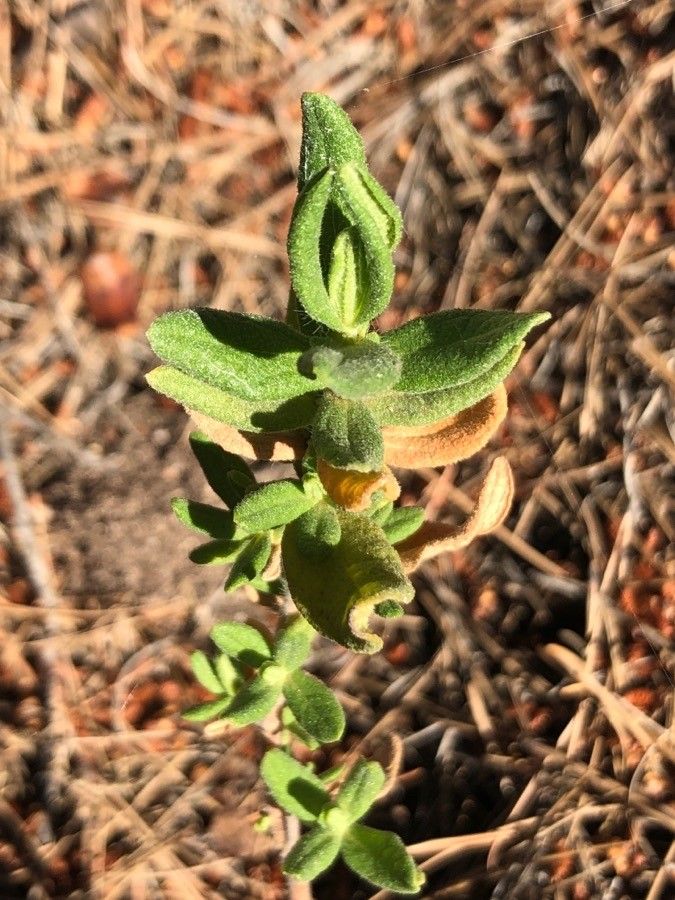
Resurrecting a Rarity: Propagation Techniques for the Endangered Cistus heterophyllus
The plant world is full of fascinating characters, and the “Cistus heterophyllus”, otherwise known as the Rockrose, holds a particularly intriguing spot. This isn’t just another pretty flower; it’s a critically endangered species clinging to existence. But there’s hope! With dedicated individuals and successful propagation methods, we can help bring this botanical beauty back from the brink.
Understanding the Rarity:
Native to the Mediterranean basin, Cistus heterophyllus is a small shrub known for its delicate pink flowers that resemble crumpled tissue paper. Sadly, habitat loss, grazing, and low seed germination rates have pushed this species towards extinction. In fact, it was even considered extinct in the wild until a small population was rediscovered in the 1980s.
Propagation: A Beacon of Hope:
While the challenges are significant, successful propagation offers the most promising solution for the long-term survival of Cistus heterophyllus. Here are the most effective methods:
1. Seed Propagation:
- The Challenge: Cistus heterophyllus seeds are notoriously difficult to germinate due to their hard seed coat and a natural dormancy mechanism.
- The Solution:
- Scarification: Gently rubbing the seeds with sandpaper or a nail file can help break down the tough outer layer, making them more receptive to water absorption.
- Stratification: Mimicking nature’s cycle, a period of cold stratification (storing seeds in moist, cool conditions for several weeks) can help break dormancy and trigger germination.
- Tips for Success:
- Use a well-draining seed-starting mix.
- Maintain a consistent moisture level, avoiding overwatering.
- Provide ample light but avoid direct sunlight.
2. Cuttings:
- The Advantages: Taking cuttings offers a faster way to produce new plants that are genetically identical to the parent plant.
- The Process:
- Select healthy, non-flowering stems in late spring or early summer.
- Remove lower leaves and dip the cut end in rooting hormone.
- Plant the cuttings in a well-draining potting mix.
- Provide warmth, humidity, and indirect light.
- Tips for Success:
- Use a sharp, clean knife or shears to prevent disease.
- Choose cuttings from vigorous, healthy plants.
- Be patient! Rooting can take several weeks.
Beyond Propagation: Conservation Efforts:
While individual efforts to propagate Cistus heterophyllus are commendable, coordinated conservation efforts are crucial for its long-term survival:
- Seed banking: Storing seeds in controlled environments ensures their genetic diversity is preserved for future generations.
- Habitat restoration: Protecting and restoring the plant’s natural habitat is vital for its long-term survival in the wild.
- Public awareness: Educating the public about this endangered species can foster appreciation and support for its conservation.
Every Seed, Every Cutting Counts:
The fate of Cistus heterophyllus rests on proactive conservation efforts, and propagation plays a key role. Whether you’re a seasoned gardener or a curious beginner, your efforts in cultivating this beautiful and endangered plant can contribute to its resurgence. Let’s work together to ensure that future generations can marvel at the delicate beauty of the Cistus heterophyllus.