
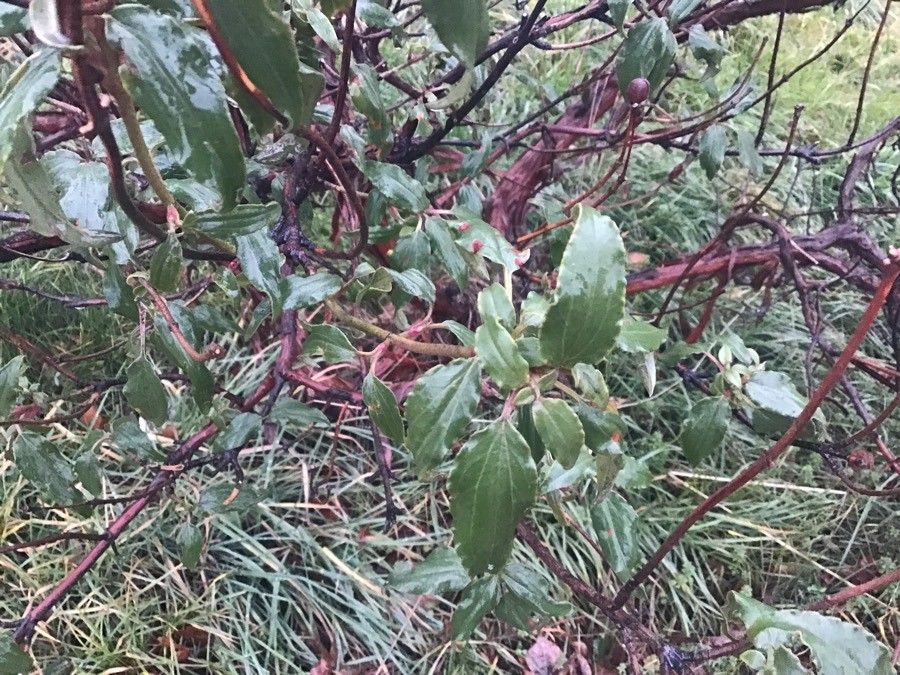
Taming the Sun Lover: Propagating the Hardy Cistus Laurifolius
The Cistus laurifolius, also known as the laurel-leaved cistus, is a Mediterranean marvel. This resilient shrub charms gardeners with its vibrant white blooms that burst forth in late spring and early summer, transforming your garden into a haven of sun-drenched beauty. But the allure of the Cistus laurifolius extends beyond its visual appeal. Its drought tolerance and low-maintenance nature make it a favorite for seasoned gardeners and beginners alike. And the best part? Propagating this sun-loving shrub is an achievable feat that can multiply your garden’s rewards.
Let’s dive into the two most effective methods for propagating Cistus laurifolius:
1. Seed Propagation: A Dance with Patience
Propagating Cistus laurifolius from seed is a rewarding endeavor that requires a touch of patience and a sprinkle of green-thumb magic.
- Timing is Key: Begin your seed propagation journey in early spring. This allows the seedlings ample time to establish themselves before the winter chill.
- Sowing the Seeds: Create a nurturing environment by filling seed trays with a well-draining seed compost. Sow the seeds thinly on the surface and gently press them into the compost.
- Light and Warmth: Cistus laurifolius thrives under the sun’s warm embrace. Place the seed trays in a bright location, but avoid direct sunlight that can scorch the delicate seedlings. Maintain a temperature around 65-75°F (18-24°C) for optimal germination.
- Patience is a Virtue: Germination can take anywhere from a few weeks to a few months. Keep the compost consistently moist but not waterlogged.
- Transplanting Time: Once the seedlings have developed several sets of true leaves, they’re ready to graduate to individual pots. Harden them off gradually by introducing them to outdoor conditions for increasingly longer periods.
- Planting in the Garden: When the threat of frost has passed, your Cistus laurifolius seedlings can be planted into their permanent positions in your garden. Choose a sunny location with well-drained soil.
2. Semi-hardwood Cuttings: A Faster Route to Success
If you’re looking for a quicker propagation method, semi-hardwood cuttings offer a higher success rate and faster results.
- Timing is Crucial: The ideal time for taking semi-hardwood cuttings is in late summer or early fall.
- Selecting the Cuttings: Choose healthy, non-flowering stems that have just started to harden. Each cutting should be about 4-6 inches (10-15 cm) long.
- Preparing the Cuttings: Remove the lower leaves, leaving only a few at the top. Dip the cut end in rooting hormone to encourage root development.
- Planting the Cuttings: Plant the cuttings in a pot filled with a well-draining mixture of peat moss and perlite. Water them in well.
- Creating a Greenhouse Effect: Cover the pot with a clear plastic bag or use a propagator to create a humid environment. This will help prevent the cuttings from drying out.
- Patience and Observation: Keep the cuttings in a bright location, but out of direct sunlight. After a few weeks, gently tug on the cuttings to check for root development.
- Potting Up and Planting: Once the cuttings have rooted well, usually within a few months, they can be potted up individually or planted directly into your garden in spring.
Propagating Cistus laurifolius is a rewarding process that allows you to expand your garden’s beauty and enjoy the captivating charm of this Mediterranean gem for years to come. Whether you choose the patience of seeds or the speed of cuttings, success awaits those who embrace the sun-loving nature of this remarkable plant.