
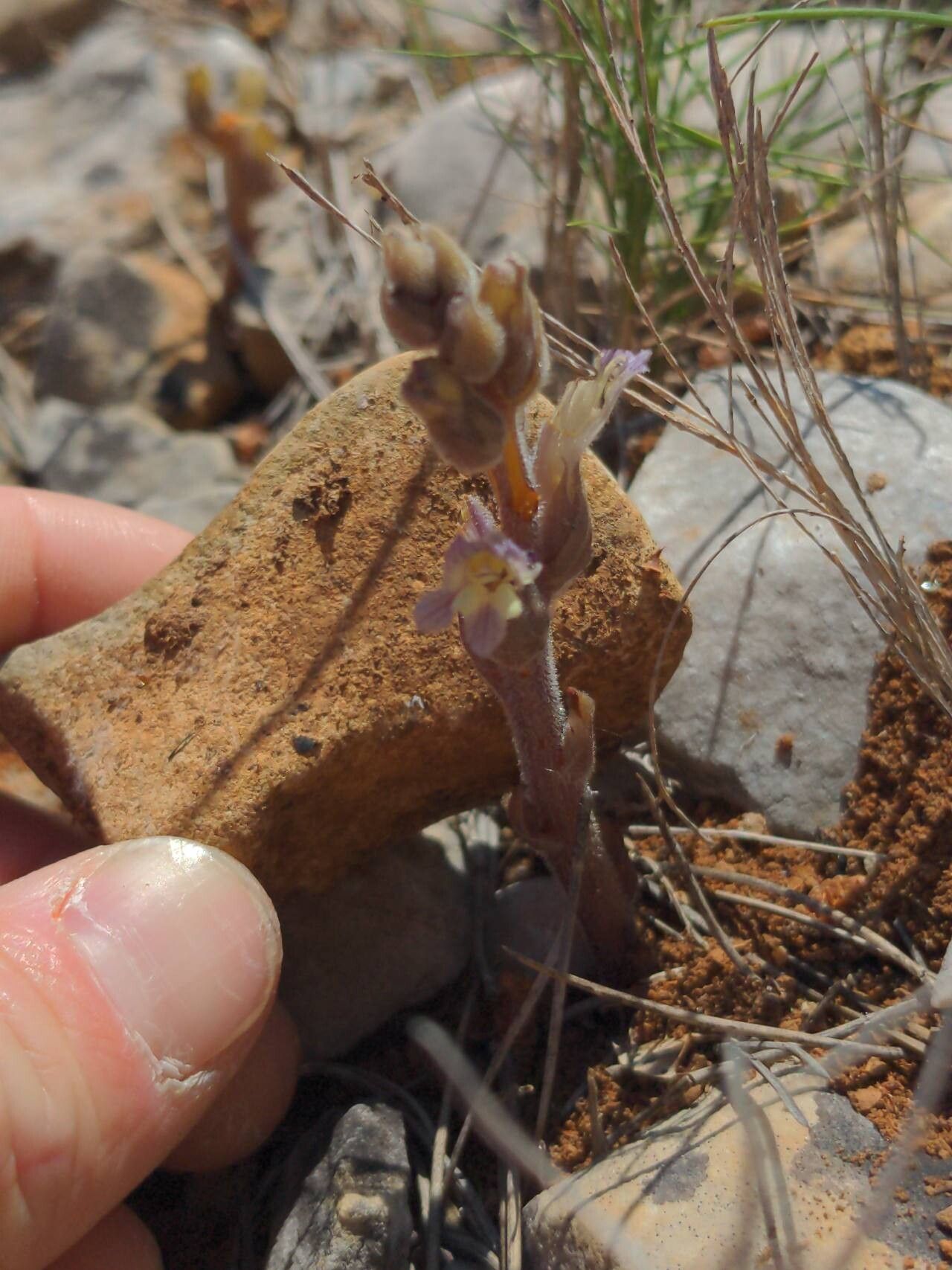
Unraveling the Mystery: Propagating the Parasitic Beauty, Orobanche rosmarina
The plant kingdom is full of surprises, and few are as intriguing as the parasitic Orobanche rosmarina. This fascinating species, commonly known as rosemary broomrape, lacks chlorophyll and derives its nutrients by tapping into the roots of other plants. Specifically, Orobanche rosmarina targets rosemary, transforming the familiar herb into an unwitting host. While this parasitic relationship might sound alarming, it makes for a captivating study in plant adaptation and a unique challenge for propagation.
Before diving into propagation, let’s address the elephant in the room: should we even cultivate a parasitic plant? The answer depends on your perspective and your gardening goals. Orobanche rosmarina won’t survive without a healthy rosemary plant to sustain it, and its presence can impact the host’s growth. However, it poses no threat to other plants in your garden and offers a unique aesthetic with its tall, elegant spikes of purplish-blue flowers.
Propagating Orobanche rosmarina is no easy feat, and traditional methods like cuttings or divisions are out of the question. This plant relies entirely on seed for propagation, and even then, success hinges on several critical factors:
1. The Host with the Most: You’ll need a thriving rosemary plant already established in your garden. This plant will become the host and provide the necessary nutrients for your Orobanche rosmarina.
2. Seed Timing is Everything: Orobanche rosmarina seeds require specific cues to germinate, primarily the presence of compounds released by the host plant’s roots. The ideal time for sowing seeds is during the rosemary’s active growing season, typically spring to early summer.
3. Sowing for Success: Sprinkle the tiny Orobanche rosmarina seeds around the base of your established rosemary plant. Gently work them into the soil surface, ensuring good contact with the roots.
4. Patience is Key: Don’t expect instant gratification. It can take several months, or even a year or more, for Orobanche rosmarina seeds to germinate. Maintain consistent moisture around the host plant’s root zone during this time.
5. Signs of Life: When successful, you’ll be greeted by the emergence of fleshy, scaly stems that lack the green pigment of most plants. These stems will grow upwards, eventually producing stunning spikes of purplish-blue flowers.
A final note of caution: Orobanche rosmarina is considered rare and endangered in some regions. Always ensure your seeds are sourced ethically and legally.
Propagating Orobanche rosmarina is a long game, requiring patience, observation, and a touch of botanical luck. However, the reward of witnessing this unusual plant thrive in your garden, locked in its intricate dance with the host rosemary, is a truly remarkable experience for any plant enthusiast.