
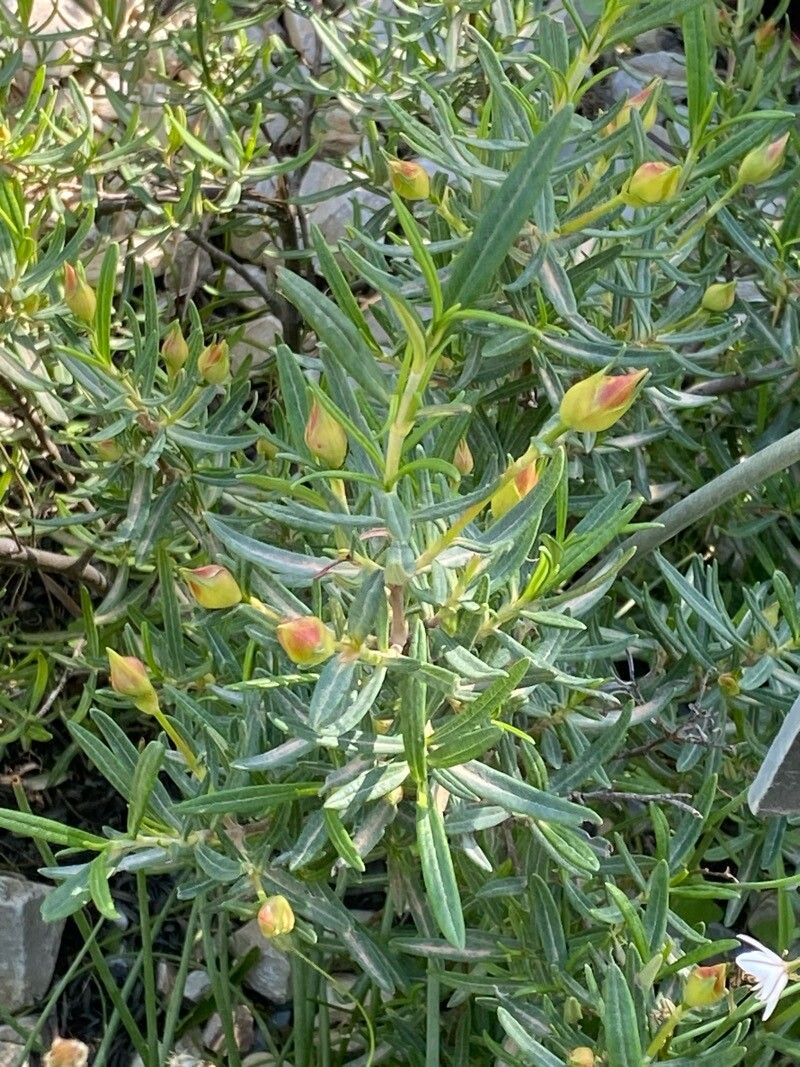
Unlocking the Secrets of Cistus Libanotis Propagation: From Seed to Shrub
The Cistus libanotis, also known as the Rockrose or Gum Rockrose, is a stunning Mediterranean shrub known for its fragrant, white flowers and its resilience in dry, sunny conditions. If you’re looking to add this beauty to your garden, you’ll be thrilled to know that propagating Cistus libanotis is a relatively straightforward process that can be achieved through both seeds and cuttings.
Growing from Seed:
- Patience Is Key: Cistus libanotis seeds require a period of cold stratification before they germinate. This means they need to experience a period of cold temperatures to break their dormancy.
- The Cold Treatment: Place the seeds in a moist medium like vermiculite or peat moss and store them in a refrigerator for 6-8 weeks at temperatures between 35-40 degrees Fahrenheit.
- Sowing Time: After the cold stratification period, sow the seeds in a well-draining seed-starting mix, just barely covering them with soil. Keep the soil consistently moist but not soggy.
- Location, Location, Location: Choose a sunny location with well-drained soil. Cistus libanotis thrives in full sun, but they can tolerate some partial shade.
- Germination Time: Depending on the environmental conditions, germination can take anywhere from a few weeks to several months.
Taking Cuttings:
- Timing is Everything: The best time to take cuttings is in late spring or early summer when the plant is actively growing.
- Gather Your Supplies: Use sharp, clean scissors or a knife to take 4-6 inch cuttings from the tips of healthy, non-flowering stems.
- Prepare the Cuttings: Remove the lower leaves on each cutting and dip the cut end in rooting hormone to encourage root development.
- Planting the Cuttings: Place each cutting in a pot filled with a well-draining potting mix. You can use a propagation dome to maintain humidity.
- Patience Again: Keep the soil moist but not overly wet. It can take 4-6 weeks for the cuttings to develop roots.
Tips for Success:
- Watering: Water your Cistus libanotis regularly, especially when they are young, but allow the soil to dry out slightly between waterings. Avoid overwatering as it can lead to root rot.
- Pruning: Pruning can be done after flowering to maintain a desired shape.
Enjoying Your New Rockrose:
Once your Cistus libanotis plants are well-established, they are relatively low-maintenance and will reward you with beautiful flowers for many years to come. These hardy shrubs are an excellent addition to any sunny garden, attracting pollinators while offering a beautiful and charming landscape element.
Whether you choose to propagate from seed or cuttings, the process of bringing a Cistus libanotis into your garden is a rewarding experience. The journey from seed to shrub is a beautiful testament to the resilience and elegance of this captivating plant. So, why not give it a try? You might just discover a new favorite amongst your garden’s treasures.