
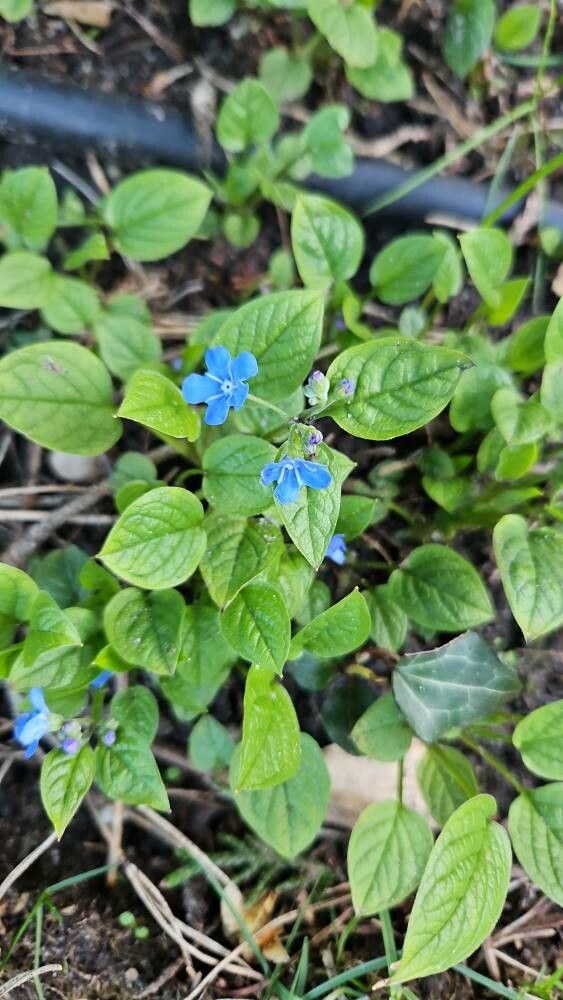
From Bluebells to Bountiful Blooms: Propagating Omphalodes Verna for a Garden Full of Spring Charm
Omphalodes verna, also known as the “blue-eyed Mary” or “creeping forget-me-not”, is a true gem for the spring garden. Its delicate blue blooms, reminiscent of miniature forget-me-nots, carpet the ground with a vibrant splash of color. But, did you know that this charming plant is also incredibly easy to propagate? Whether you’re looking to expand your existing patch or share the beauty with friends, propagating omphalodes verna is a rewarding experience.
The Magic of Division: The Easiest Way to Multiply Your Omphalodes
The simplest and most successful method for propagating omphalodes verna is division. This technique leverages the plant’s natural tendency to spread and form clumps. Here’s how:
- Timing is Key: Spring and fall are the ideal times to divide your omphalodes. The cooler weather helps the newly separated plants establish themselves.
- Uncover the Clump: Gently dig up a mature clump of omphalodes. Use a fork or your hands to carefully loosen the soil around the plant.
- Divide and Conquer: Separate the clump into smaller sections, ensuring each section has healthy roots and foliage.
- Newly Planted, Happily Growing: Replant the divided sections into well-prepared soil, spacing them about 12 inches apart. Water thoroughly, keeping the soil evenly moist until established.
Beyond Division: Exploring Other Propagation Methods
While division is the most reliable method, you can also experiment with other approaches:
- Seed Starting: Omphalodes verna will readily produce seeds, allowing you to propagate numerous plants. Collect seeds from mature flower heads and sow them directly into pots or garden beds after the last frost. Seedlings will appear in a few weeks.
- Leaf Cuttings: This method requires a little more patience but is still viable. Take leaf cuttings from healthy, mature plants and place them in a rooting medium like vermiculite or perlite. Keep the cuttings moist, and they should develop roots within a few weeks.
Tips for Success: Nurturing Your New Omphalodes
Whether you choose division, seed starting, or cuttings, there are a few key factors to ensure your omphalodes thrive:
- Sunlight and Shade: Omphalodes verna prefers partial shade to full shade. Protect it from intense afternoon sun, which can scorch the leaves.
- Watering Wisdom: Keep the soil consistently moist, especially during dry periods. Avoid overwatering as this can lead to root rot.
- Fertile Ground: Omphalodes thrives in well-drained, fertile soil. Add compost or aged manure to improve soil quality.
Sharing the Beauty: A Garden Full of Spring
Propagating omphalodes verna is a rewarding process that allows you to share the joy of this charming plant with friends, family, or your community. You can give away small divisions, start seedlings to share, or even offer cuttings to other gardening enthusiasts.
With its cascading blue blooms and ease of propagation, omphalodes verna adds a touch of magic to any garden. So, roll up your sleeves, get your hands dirty, and experience the joy of multiplying this charming spring bloomer!