
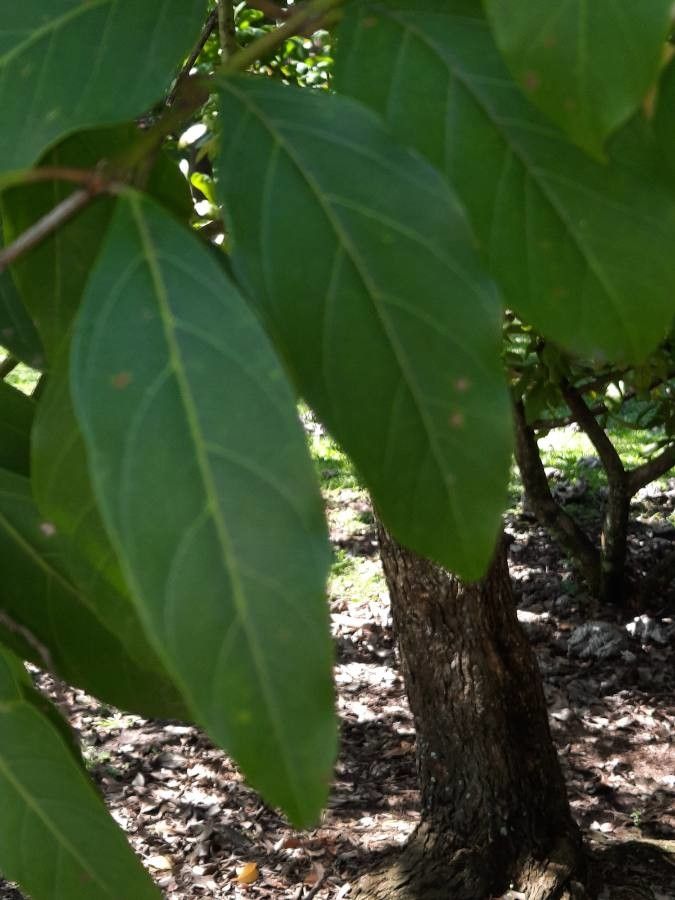
From One to Many: Propagating the Stunning Citharexylum donnell-smithii
The Citharexylum donnell-smithii, also known as the “Fiddlewood” due to its distinctive woodgrain, is a beautiful shrub or small tree that boasts vibrant, fragrant blooms and lush foliage. Its captivating beauty, alongside its ability to thrive in various climates, makes it an alluring choice for gardeners. But what if you could enjoy even more of this captivating plant? Enter the world of propagation, where a single Fiddlewood can become the foundation for a whole collection.
This blog post will take you through the exciting process of propagating Citharexylum donnell-smithii, exploring the benefits of this technique and providing detailed instructions to help you achieve successful results.
Why Propagate?
Propagating plants offers several advantages:
- Cost-effective: Instead of purchasing new plants, you can create your own from existing ones.
- Genetic preservation: Propagation allows you to maintain unique varieties or specific traits.
- Increased abundance: You can multiply your existing plants to fill more spaces in your garden or share with friends.
- Satisfying experience: The process of propagation can be a rewarding and educational journey.
Propagation Methods for Citharexylum donnell-smithii
Fiddlewood can be propagated using two primary methods:
1. Cuttings:
- Softwood Cuttings: These are taken from new, non-woody growth in spring or early summer.
- Select healthy, vigorous stems with a few leaves.
- Use a sharp knife or shears to make a clean cut just below a leaf node (the point where a leaf grows).
- Remove lower leaves and dip the cut end in rooting hormone, if desired.
- Insert the cuttings into a pot filled with a well-draining potting mix and maintain moisture.
- Place the pot in a bright, indirect light location and cover with a plastic dome or bag to retain moisture.
- Hardwood Cuttings: These are taken from mature, woody stems in late autumn or winter when the plant is dormant.
- Similar to softwood cuttings, select healthy stems and make a clean cut just below a node.
- Dip the cut end in rooting hormone and insert into a well-draining mix.
- Place the container outdoors in a protected location where it can be exposed to winter temperatures.
- Once spring arrives, the cuttings should begin to root.
2. Air Layering:
This technique involves encouraging roots to develop on a stem while it’s still attached to the parent plant.
- Select a healthy stem on the parent plant and gently remove a section of bark, exposing the inner layer.
- Apply rooting hormone to the exposed area and wrap it with damp sphagnum moss.
- Secure the moss with plastic wrap or aluminum foil and ensure it remains moist.
- After a few months, roots should begin to form within the moss.
- Once well-established, carefully cut the air-layered portion below the roots and plant it in a pot or in the ground.
Tips for Success
- Sharp Tools: Use sharp tools to make clean cuts, preventing damage to the plant.
- Sterilization: To prevent infections, sterilize your tools with rubbing alcohol or a bleach solution.
- Correct Mix: Use a well-draining potting mix to ensure roots do not become waterlogged.
- Consistent Moisture: Keep the cuttings or air-layered portions moist but not soggy.
- Patience: Propagation takes time, and new growth might not appear for several weeks or even months.
Enjoy the Rewards
Propagating your own Citharexylum donnell-smithii allows you to cultivate a beautiful addition to your garden or share this captivating plant with loved ones. Whether you opt for cuttings or air layering, the process of propagation is an exciting adventure that provides immense satisfaction. So, grab your tools, follow the steps above, and watch as your Fiddlewood multiplies, filling your space with its enchanting beauty.