
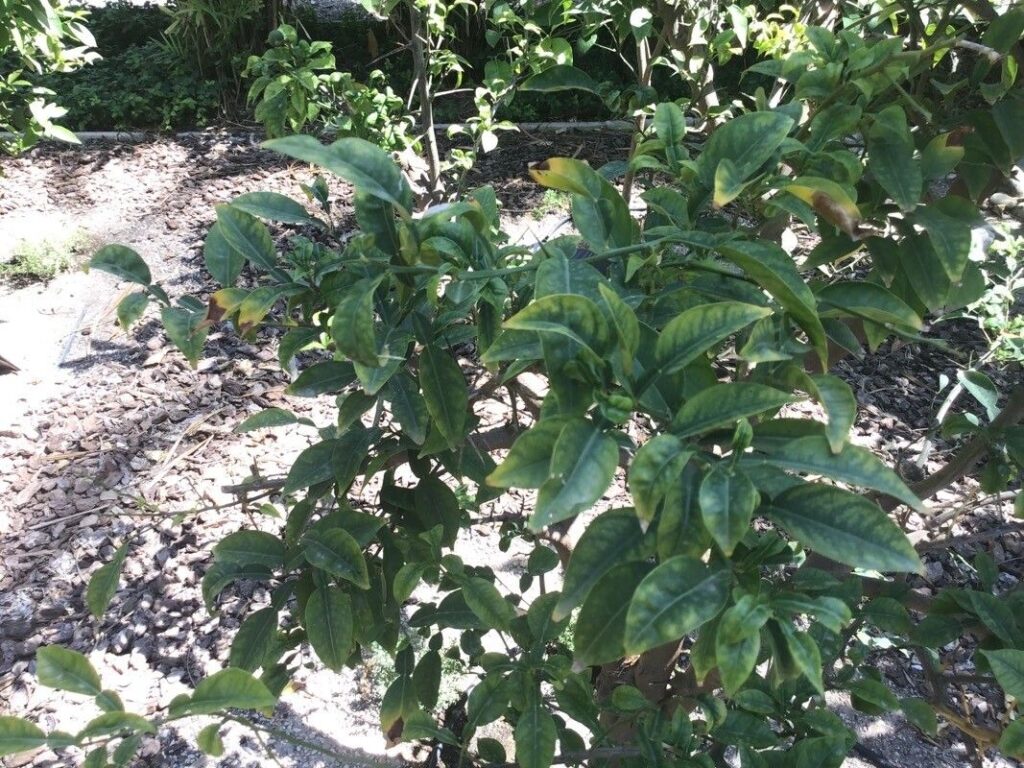
Unlocking the Secrets of Citrus Cavaleriei Propagation: From Seed to Sapling
The Citrus cavaleriei, also known as the Ichang papeda, is a fascinating citrus fruit native to southern China. While not as widely known as its cousins the orange or grapefruit, the Ichang papeda’s unique flavor profile and hardiness make it a rewarding plant for citrus enthusiasts. But before you embark on your journey to cultivate this intriguing species, let’s delve into the captivating world of Citrus cavaleriei propagation.
Seed Propagation: A Test of Patience
Propagating Citrus cavaleriei from seed is entirely possible, offering a fulfilling experience for dedicated growers. Here’s how:
- Seed Extraction and Preparation: Harvest seeds from ripe Ichang papeda fruits. Clean off any pulp and allow them to dry for a few days. Soaking the seeds in warm water for 24 hours before sowing can aid germination.
- Planting the Seeds: Use a well-draining seed starting mix and plant each seed about ½ inch deep. Keep the soil consistently moist but not waterlogged.
- Providing Optimal Conditions: Place the seed trays in a warm, brightly lit location, out of direct sunlight. A seedling heat mat can be beneficial, maintaining a temperature around 70-75°F (21-24°C).
- Germination and Beyond: Germination can be slow, often taking 4 to 8 weeks or even longer. Be patient and continue to provide proper care. Once seedlings develop a few true leaves, they can be transplanted into individual pots.
Important Considerations for Seed Propagation:
- Variability: Citrus cavaleriei grown from seed may not be identical to the parent plant, potentially producing fruits with different characteristics.
- Time to Fruiting: Seed-grown trees can take several years, sometimes a decade or more, to bear fruit.
Grafting: A Path to True-to-Type Trees
For those seeking fruit production in a shorter time frame and wishing to replicate the characteristics of a specific Citrus cavaleriei cultivar, grafting is the preferred method. Grafting involves joining a cutting (scion) from a desired Citrus cavaleriei variety onto a compatible rootstock.
Benefits of Grafting:
- Preserves Characteristics: The grafted tree will exhibit the same fruit qualities as the parent plant from which the scion was taken.
- Disease Resistance: Selecting a disease-resistant rootstock can significantly enhance the overall health and vigor of your Citrus cavaleriei.
- Earlier Fruiting: Grafting often accelerates the time it takes for the tree to bear fruit.
Choosing a Rootstock:
Selecting the appropriate rootstock for your Citrus cavaleriei is crucial and depends on your growing conditions and desired outcomes. Consult with experienced citrus growers or local nurseries to determine the best rootstock options for your region.
Propagation: A Journey of Discovery
Whether you choose the patience-testing path of seed propagation or the more predictable outcome of grafting, cultivating Citrus cavaleriei is an enriching experience. With proper care and attention, you’ll be rewarded with a unique and flavorful citrus fruit – a testament to your dedication and the wonders of plant propagation.